
Many businesses still feel confused about what is postal code and ZIP code, especially when handling international orders or filling out global shipping documents. While both systems help identify delivery locations, their formats and usage vary from country to country. Understanding these differences is important for reducing logistics errors and improving customer experience.
1. What Is a Postal Code?
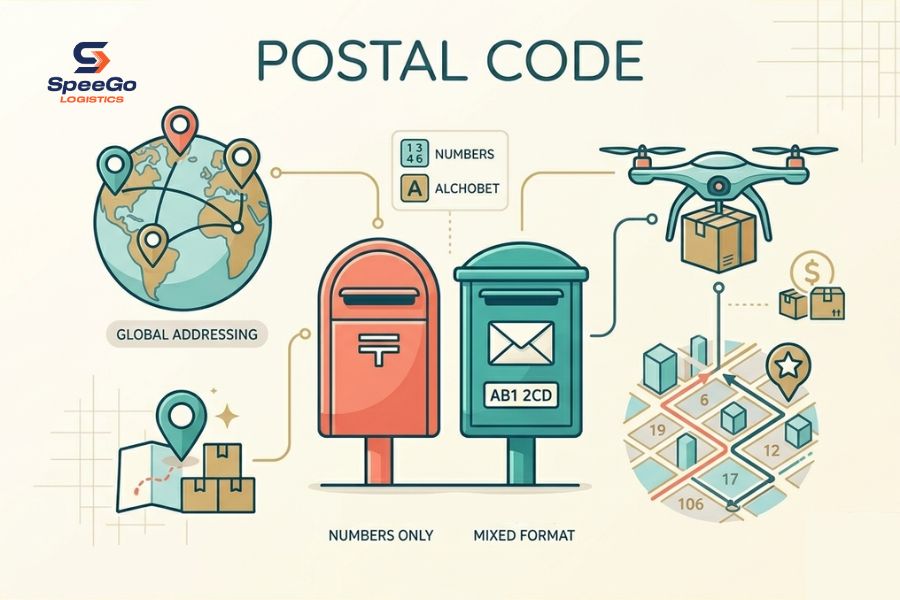
A postal code is a series of letters, numbers, or a combination of both used to identify a delivery area within a country. Postal systems around the world rely on these codes to sort and distribute mail efficiently. The format of a postal code varies depending on the country. Some countries use only numbers, while others combine letters and digits.
The main purpose of a postal code is to simplify address identification and improve logistics accuracy. In modern shipping and e-commerce, postal codes also help businesses optimize delivery routes, calculate shipping costs, and reduce failed deliveries.
2. What Is a Zip Code?
A ZIP code is a numerical code used by the United States postal system to identify specific delivery areas and improve mail distribution efficiency. The term ZIP stands for “Zone Improvement Plan,” a system introduced by the United States Postal Service to speed up sorting and delivery processes across the country.
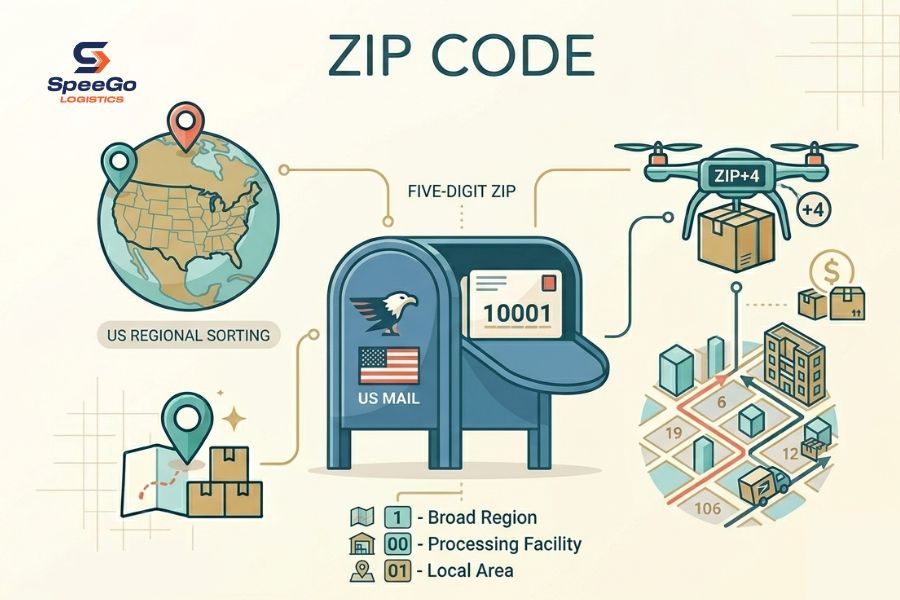
Today, ZIP codes are widely used not only for mailing purposes but also for e-commerce, logistics, customer databases, and location verification. A standard ZIP code in the United States contains five digits. Each part of the code represents a geographic region involved in the delivery process:
- The first digit identifies a broad national region
- The next two digits indicate a sectional center or processing facility
- The final two digits represent a more specific local delivery area
The US also uses an extended format called ZIP+4, which adds four additional digits after the main code, helps carriers identify exact buildings, offices, or delivery routes more accurately.
3. Difference Between Zip Code And Postal Code
Many people use the terms ZIP code and postal code interchangeably, especially when filling out online forms or shipping documents. However, there are important differences between the two. Understanding the difference between ZIP code and postal code helps businesses avoid address errors, improve delivery accuracy, and manage international shipments more efficiently.
| Criteria | ZIP code | Postal Code |
| Definition | A postal coding system used specifically in the United States | A general term used worldwide for geographic delivery codes |
| Managed By | United States Postal Service | National postal authorities in each country |
| Code Format | Primarily numerical | Numbers, letters, or a combination of both |
| Typical Structure | 5 digits or ZIP+4 format | Varies depending on the country |
| Common Confusion | Often used interchangeably with “postal code” online | Frequently entered into “ZIP code” fields on international websites |
4. How to Find the Correct Postal Code or ZIP Code?
Finding the correct postal code is an important step in ensuring accurate deliveries and avoiding shipping delays. Whether a business is handling domestic orders or international shipments, using the right code helps carriers process addresses faster and minimise delivery errors.
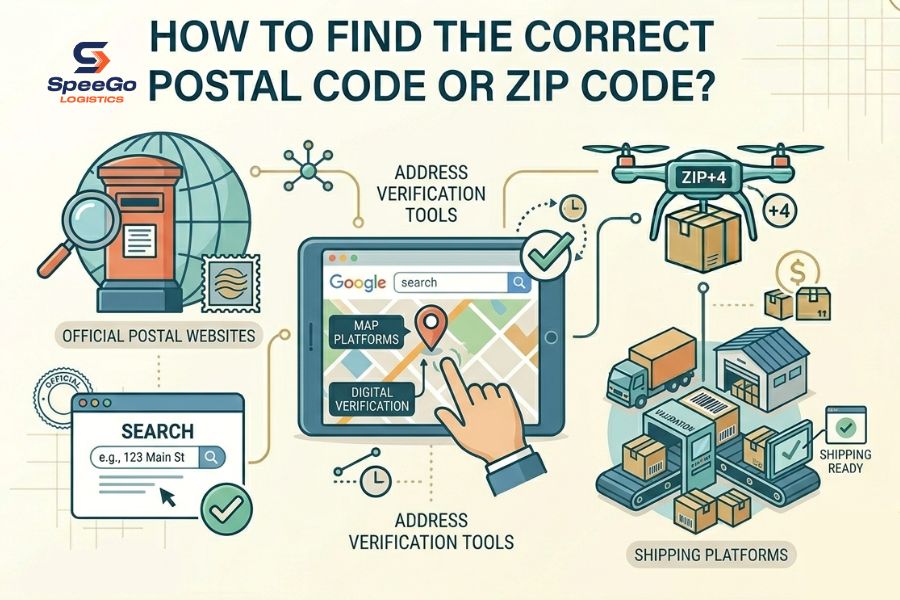
- Use Official Postal Service Websites: Most national postal services provide online lookup tools that allow users to search by address, city, or region.
- Verify Addresses with Google Maps and Digital Tools: This method is particularly useful when customers provide incomplete or unclear address details. However, businesses should still cross-check information with official postal systems because map platforms may not always display the latest postal code updates.
- Use Shipping and Logistics Platforms: Modern shipping platforms often include built-in tools for postal code lookup and automatic address validation.
Knowing how to find the correct postal code or ZIP code is essential for accurate shipping and efficient logistics operations.
Accurate postal codes are essential for smooth international deliveries, but managing global shipping involves much more than address verification alone. SpeeGo Logistics provides reliable international transportation solutions that help businesses minimize delivery errors, improve shipping efficiency, and handle cross-border logistics with greater confidence.
5. Different Countries Use Postal Codes and ZIP Codes
Postal code systems are used worldwide, but their structure and naming conventions vary significantly from one country to another. Incorrect formatting or incomplete postal code or zip code information can lead to delivery delays, failed shipments, or address verification issues.
| Country | Postal System Name | Example Format | Code Structure |
| United States | ZIP code | 10001 / 90210-1234 | Numerical |
| Canada | Postal Code | M5V 3L9 | Alphanumeric |
| United Kingdom | Postal Code | SW1A 1AA | Alphanumeric |
| Germany | Postal Code | 10115 | Numerical |
| Vietnam | Postal Code | 700000 / 100000 | Numerical |
| Australia | Postal Code | 2000 | Numerical |
In summary, understanding what is postal code and ZIP code helps businesses improve shipping accuracy, reduce delivery issues, and support smoother international logistics operations. Although ZIP codes are primarily used in the United States and postal codes are used globally, both systems play a critical role in modern shipping and e-commerce.