


Expanding into international markets requires more than just delivering products but it requires getting the details right. One of the most important questions businesses should ask is: “What Is a HS Code for Shipping?”. This classification system directly impacts duties, customs clearance, and overall shipping efficiency, making it a critical factor in global success.
1. What Is a HS Code for Shipping?
A common question in international trade is what is a HS code for shipping and why it matters so much. A HS code (Harmonized System code) is a standardized numerical system used globally to classify traded goods. It allows customs authorities to identify products, apply the correct duties and taxes, and enforce import or export regulations.
The concept of what is the HS code is closely tied to the Harmonized Commodity Description and Coding System, developed and maintained by the World Customs Organization. This system is used by more than 200 countries and economies to ensure consistency in international trade classification.
2. How Does HS Codes Work?
To fully understand what is a HS code for shipping, it is important to look at how HS codes function in real-world trade operations. These codes are not random numbers, they follow a structured system that allows governments and businesses to classify goods consistently across borders.
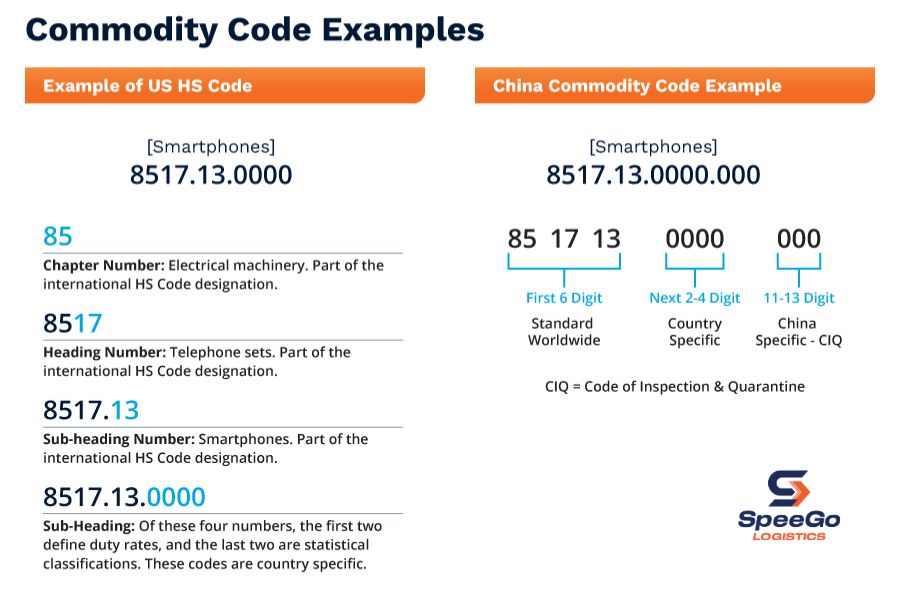
Although the WCO HS code system consists of only six digits, countries have the flexibility to expand this structure to suit their specific classification requirements. For instance, Vietnam utilizes an eight-digit HS code or USA has 10-digit codes.
The hs code structure is based on a hierarchical numbering system that becomes more specific at each level.
- The first 2 digits represent the product category (chapter)
- The next 2 digits define the product group (heading)
- The following 2 digits identify the specific product type (subheading)
This standard 6-digit format is used globally. Many countries then extend it to 8 – 10 digits to apply more detailed classifications for national purposes, such as local tariffs or regulatory controls.
3. How to Find the Correct HS Code for Your Products?
Knowing what is a HS code for shipping is only useful if you can apply it correctly. Finding the right HS code requires a structured approach, as even small classification errors can lead to delays, incorrect duties, or compliance issues.
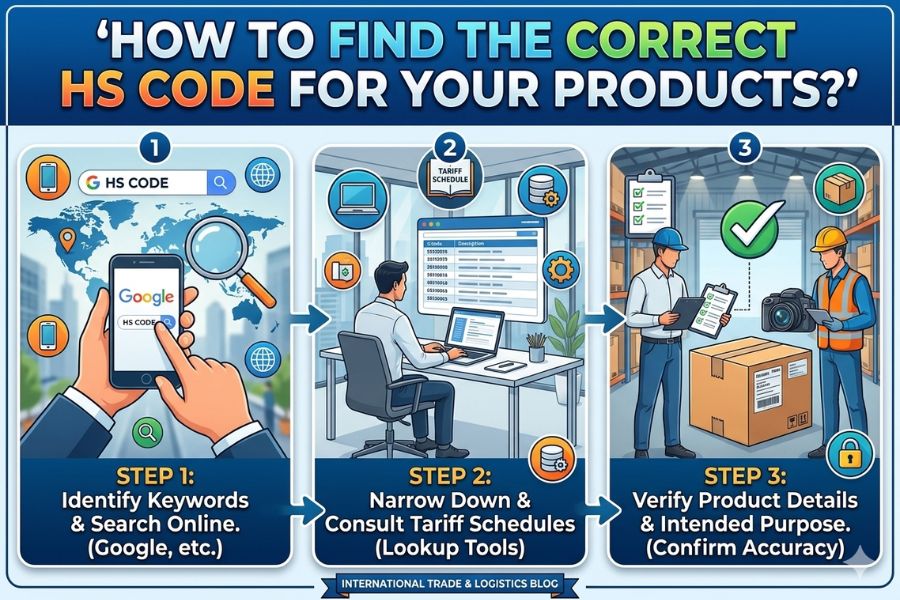
- Step 1: Begin by identifying relevant keywords that accurately describe your product, then search for its HS code on Google to determine the appropriate chapter and sub-category.
- Step 2: After narrowing down the possible HS codes, consult the tariff schedule or utilize online lookup tools to find the corresponding chapter and carefully review the descriptions.
- Step 3: Verify the product details, including material composition, intended purpose, and any unique characteristics, to confirm that the selected HS code is accurate.
Finding the correct HS code is only the first step because applying it accurately in real shipments requires experience and careful validation. SpeeGo Logistics supports businesses with HS code classification, documentation review, and customs preparation to help reduce errors and avoid unnecessary delays or costs.
Partner with SpeeGo Logistics to ensure your shipments are classified correctly and move through customs smoothly from start to finish.
4. Common Mistakes When Using HS Codes
Even when businesses understand what is a HS code for shipping, errors in classification are still common. These mistakes can lead to customs delays, unexpected costs, or compliance risks. Identifying these issues early and applying the right solutions is essential for smooth international operations.
To prevent misclassification errors, it is important to be aware of common mistakes, including:
- Incorrect classification due to insufficient product information: Failing to consider details such as composition, usage, manufacturing methods, or technical features increases the risk of selecting an inaccurate HS code.
- Improper application of classification guidelines: Neglecting to follow established rules, such as Rule 1 and other relevant criteria, can result in incorrect coding.
- Using outdated HS codes: Since HS codes are revised periodically, relying on obsolete versions may lead to errors.
- Choosing codes based on lower tariffs: Intentionally selecting codes with reduced taxes to minimize costs can have legal repercussions.
- Ignoring country-specific tax regulations and notes: Discrepancies in classification between exporting and importing nations can cause complications and delays.
Avoiding common HS code mistakes requires more than basic knowledge because it demands accuracy, up-to-date information, and real-world experience in customs procedures. SpeeGo Logistics helps businesses minimize classification risks by supporting HS code verification, ensuring compliance with the latest regulations, and aligning documentation with destination country requirements.
Work with SpeeGo Logistics to reduce costly errors, prevent customs delays, and keep your international shipments running smoothly.

5. HS Code vs Other Shipping Codes
When learning what is a HS code for export, many businesses confuse it with other codes used in logistics, such as SKU, product codes, or tariff codes. Although these terms may seem similar, they serve very different purposes. Understanding these differences is essential for accurate product classification and smooth international shipping.
| Criteria | HS Code | SKU | Product Code | Tariff Code |
| Purpose | Classify goods for international trade and customs | Manage inventory and internal tracking | Identify products within a catalog or system | Determine duties and regulations at country level |
| Usage Scope | Global (standardized system) | Internal (company-specific) | Internal or commercial use | Country-specific (based on HS code) |
| Structure | 6-digit global standard | Flexible format defined by business | Flexible, varies by manufacturer or retailer | Extended version of HS code (8 – 10 digits) |
| Who Uses It | Customs authorities, exporters, importers | Businesses, warehouses, retailers | Manufacture, sellers | Customs authorities and governments |
| Legal Requirement | Mandatory for import/export declarations | Not required for customs | Not required for customs | Required for duty calculation and compliance |
| Impact on Shipping | Determines duties, taxes, and clearance process | No direct impact on customs | No direct impact on customs | Affects final duty rates and import regulations |
6. The Impact of HS Codes on Shipping
HS codes play a critical role in controlling costs, speeding up delivery, and ensuring successful international shipments.
- Cost: Accurate HS codes ensure the correct duties and taxes are applied, helping businesses avoid overpayment, penalties, and unexpected shipping costs.
- Time: Proper classification allows faster customs clearance, while incorrect HS codes can lead to inspections, paperwork issues, and delivery delays.
- Shipping Success: Using the right HS code reduces compliance risks, prevents shipment disruptions, and supports a smoother, more reliable international shipping process.
To sum up, what is a HS Code for shipping mean? It allows businesses to manage international shipments with greater accuracy and control. Correct classification not only ensures compliance but also improves cost efficiency and delivery performance, making it an essential part of any global trade strategy.