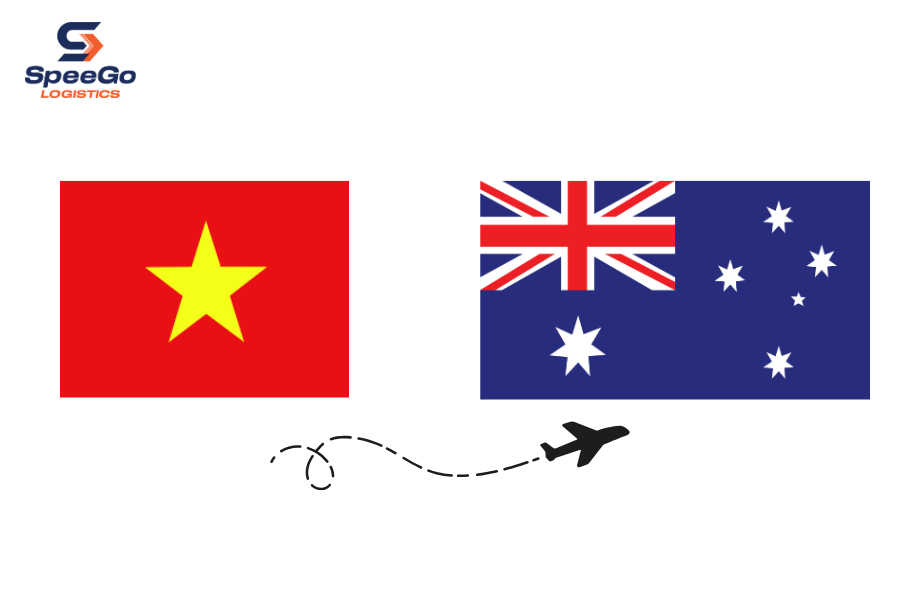
Shipping from Vietnam to Australia has gained increasing momentum as bilateral trade continues to expand under multiple free trade agreements. Vietnam has become a key supplier of furniture, textiles, footwear, seafood, and handicrafts to the Australian market, offering competitive production capacity and diversified manufacturing strengths. However, managing shipments to Australia requires careful planning to avoid delays, high freight costs, and compliance risks.
1. Why Are Australian Businesses Increasingly Sourcing from Vietnam?
Australian companies have placed greater emphasis on supply chain diversification to reduce dependence on a single sourcing market. As a result, shipping from Vietnam to Australia has become more frequent and strategically important for businesses looking to maintain stable supply chains. Efficient logistics plays a critical role in ensuring that goods move smoothly between the two countries, especially as shipment volumes continue to increase.
According to the Australian Government’s Department of Foreign Affairs and Trade (DFAT), Vietnam has become one of Australia’s key trading partners in Southeast Asia, with bilateral trade maintaining a consistently strong performance. Data from the Australian Bureau of Statistics (ABS) indicate that Vietnam ranks among notable exporters to Australia, particularly in product categories such as electronics, furniture, textiles, and footwear. This growing trade volume directly increases demand for reliable shipping from Vietnam to Australia, particularly for businesses managing large-scale imports across multiple product categories.
A major driver behind the growing interest in “import from Vietnam to Australia” is the framework of free trade agreements shared by both countries. Vietnam and Australia are members of:
- The ASEAN – Australia – New Zealand Free Trade Area (AANZFTA), in force since 2010
- The Comprehensive and Progressive Agreement for Trans-Pacific Partnership (CPTPP), effective for Australia since 2018
- The Regional Comprehensive Economic Partnership (RCEP), which entered into force in 2022
These agreements reduce or eliminate tariffs on a wide range of goods and establish transparent rules of origin and trade facilitation mechanisms. Against a backdrop of rising cost pressures and stringent import compliance requirements in Australia. Working with reliable Vietnam suppliers and efficient shipping from Vietnam to Australia offers more than price competitiveness. It provides access to an established manufacturing base operating within internationally recognized trade frameworks. Despite its sourcing advantages, shipments to Australia still require careful logistics planning.
2. Top Products Vietnam Exports to Australia
Understanding the types of products commonly exported from Vietnam to Australia is essential for choosing the right shipping method, cost structure, and compliance strategy. Different product types require different shipping methods, cost structures, and compliance strategies when exporting to Australia.
2.1. Furniture and Wood Product
Furniture export and wood-based products represent a stable segment within Australia’s consumer goods imports from Vietnam, as reflected in classifications published by the Australian Bureau of Statistics (ABS) and the Department of Foreign Affairs and Trade (DFAT). Vietnam’s growing role in global furniture export continues to strengthen its trade relationship with Australia.
Competitive Strengths
Vietnam is widely recognised as one of the world’s leading players in the global Furniture export market. Over the past decade, the country has developed integrated manufacturing clusters that combine raw material processing, component production, and finished product assembly. This vertically integrated structure enables Vietnamese Furniture export suppliers to handle large-volume orders while maintaining consistent quality standards required by international buyers. Competitive labor costs, improving automation, and experience in OEM/ODM production further enhance Vietnam’s export competitiveness.
Import Considerations in Australia
When engaging in import furniture to Australia, compliance with biosecurity regulations is essential. Wooden and wood-based products must meet the requirements administered by the Department of Agriculture, Fisheries and Forestry (DAFF). In addition, packaging materials used in Furniture export shipments may need to comply with ISPM 15 standards to prevent the introduction of pests. Proper documentation and treatment certification are critical to ensure smooth customs clearance and avoid costly delays at Australian ports.
Due to their size and volume, furniture shipments are typically transported via sea freight from Vietnam to Australia using FCL or LCL containers. Proper packaging, fumigation, and compliance with ISPM 15 standards are critical to avoid delays and additional inspection costs at Australian ports.
2.2. Textiles and Garments
Apparel and textile products are consistently among Australia’s key merchandise imports from Vietnam. According to the broader trade data, textiles and garments remain one of Vietnam’s notable export categories to Australia, with total textile and apparel exports to the country amounting to around USD 445.8 million in recent trade records. Furthermore, sector-wide figures show Vietnam shipped US $44.5 billion worth of garment and textile products globally in 2022, making it one of the world’s top exporters after China and Bangladesh (vietnamplus, 2023).
Competitive Advantages
Vietnam is a recognised global leader in garment exports and textile manufacturing. Local manufacturers commonly provide both OEM and private-label production capabilities, which are particularly attractive to Australian fashion retailers and brand owners seeking flexibility, customization, and reliable delivery schedules.
The industry benefits from a combination of competitive production costs, expanding manufacturing capacity, and participation in multiple free trade agreements (FTAs), such as the CPTPP and RCEP, which help improve market access and reduce tariff barriers.
Import Considerations
For Australian importers, textile and garment products must comply with regulatory requirements, including fibre content labelling standards enforced by the Australian Competition and Consumer Commission (ACCC). Accurate labelling is essential to ensure compliance with consumer protection laws and avoid customs delays or penalties.
Textile and garment products are commonly shipped from Vietnam to Australia via both sea freight and air freight, depending on delivery urgency and order volume. If you want fast-moving retail cycles, air freight from Vietnam to Australia is often used despite higher costs, while bulk shipments rely on sea freight for better cost efficiency.
2.3. Footwear
Vietnam itself is recognised as one of the world’s leading footwear exporters, consistently ranking second globally in export value and accounting for around 10 % of the global footwear trade across more than 150 markets (dangcongsan.nhandan.vn, 2023).
Competitive Advantages
Vietnam’s footwear industry benefits from established manufacturing networks and strong integration into global supply chains. International brands frequently outsource production to Vietnamese factories due to:
- Competitive labour and production costs.
- High compliance with international quality standards.
- Large-scale manufacturing capacity that supports both OEM and branded output.
These factors help sustain Vietnam’s position as a core supplier in global footwear value chains.
Import Considerations
Importers bringing footwear into Australia should ensure products meet safety and labelling standards enforced by Australian regulators. Additionally, verifying rules of origin is essential for accessing preferential tariff treatments under trade agreements such as CPTPP and AANZFTA, which can help reduce import duties.
Footwear shipments are usually handled through sea freight from Vietnam to Australia for large orders, while smaller or urgent shipments may use air freight to meet retail deadlines.
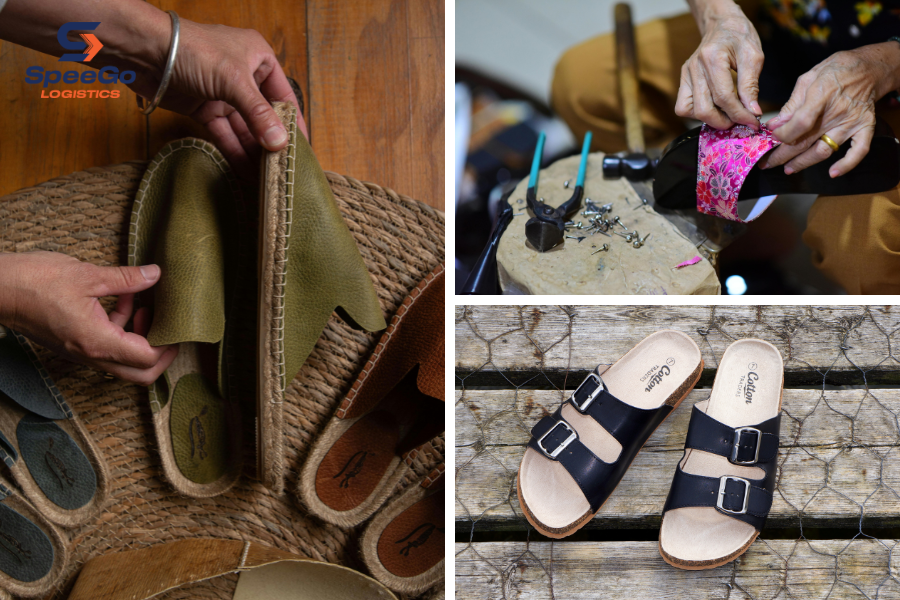
2.4. Seafood and Agricultural Products
Vietnam’s agricultural exports overall including processed foods, coffee, cashew nuts, and tropical fruits, have continued to expand their presence in Australian markets, supported by improved logistics and broader trade agreements.
Competitive Advantages
Vietnam has developed a well-established aquaculture sector that supplies a diverse range of seafood products, such as pangasius, shrimp, and molluscs, to global markets. The country’s seafood processors largely operate under export-certified facilities, ensuring compliance with international standards for food safety and quality.
Import Considerations
Seafood and agricultural imports into Australia are subject to strict biosecurity and quarantine controls administered by the Department of Agriculture, Fisheries and Forestry (DAFF). These measures are designed to protect Australia’s unique ecosystems from pests, diseases, and invasive species.
Importers must often secure:
- Biosecurity import permits
- Quarantine inspection clearances
- Approved packaging and handling documentation
Failure to comply with these requirements can result in shipment holds, re-exportation, or additional treatment costs. Prior consultation with DAFF and experienced customs brokers can help ensure smoother entry for seafood and agricultural products into Australia.
Shipping seafood from Vietnam to Australia requires strict temperature control and compliance with biosecurity regulations. Cold chain logistics and proper documentation are essential to ensure products meet Australian import standards and avoid quarantine delays.
2.5. Handicrafts and Home Decor
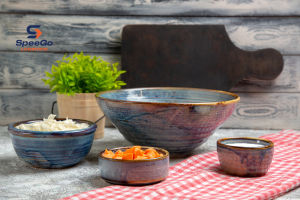
Vietnam handicrafts exported approximately USD 80.7 million worth of miscellaneous handcrafted and decorative items to Australia in 2023. These exports include a wide range of handicrafts, such as bamboo and rattan baskets, wooden carvings, ceramics, textiles, and decorative home items, reflecting growing demand for artisanal and sustainable lifestyle products in the Australian market.
Competitive Strengths
Vietnam’s handicraft and home décor export industry is built on centuries of traditional craftsmanship found in established artisan villages across the country. Today, many of these producers operate within export-focused clusters, supported by:
- Skilled handcrafting techniques passed down through generations
- Increasing adoption of international standards in packaging and quality
- Flexibility in small-batch orders, customization, and private-label production
Moreover, the widespread use of natural and eco-friendly materials such as bamboo, seagrass, rattan, and reclaimed wood makes these products highly aligned with sustainability trends among Australian consumers and retailers.
Import Considerations
For Australian importers, handicrafts and home decor items made from natural materials (e.g. plant fibres, untreated wood) may be subject to biosecurity inspections by the Department of Agriculture, Fisheries and Forestry (DAFF) to prevent the introduction of pests and diseases.
It is also essential to ensure that all products meet labelling compliance standards, particularly when sold through retail or e-commerce platforms. This includes product safety warnings, country-of-origin declarations, and care instructions, depending on the item category. By understanding and planning for these requirements, importers can more confidently source from Vietnam’s thriving handicrafts export sector.
Handicrafts made from natural materials such as bamboo or rattan are often subject to biosecurity inspections when shipping from Vietnam to Australia. To minimize risks, exporters must ensure proper treatment, packaging, and documentation before shipment. Each product category requires a different logistics approach, depending on its size, value, and compliance requirements. Understanding these differences helps businesses optimize shipping costs, reduce delays, and ensure full compliance with Australian import regulations.
3. Items Banned or Restricted from Import into Australia
When shipping from Vietnam to Australia, understanding restricted and prohibited items is not only a compliance requirement but also a critical factor in risk management. Failing to identify restricted goods before shipment can result in cargo delays, quarantine inspections, additional storage fees, or even shipment rejection at Australian ports.
Australia maintains one of the world’s strictest border control and biosecurity systems. According to the Australian Border Force (ABF), certain goods are strictly prohibited, while others may only be imported subject to permits or specific compliance conditions. For Australian businesses sourcing products from Vietnam, understanding these restrictions is essential before entering into supply agreements.
3.1. Prohibited Imports
The following categories are strictly banned under Australian law:
- Illegal drugs and narcotics
- Unlicensed automatic firearms
- Certain prohibited weapons
- Child exploitation material
- Specific hazardous chemicals and explosives
For businesses shipping from Vietnam to Australia, attempting to import prohibited goods can lead to immediate shipment seizure, financial penalties, and potential legal consequences. These risks not only affect individual shipments but may also impact future import activities and compliance records with Australian authorities.
3.2. Restricted Imports
- Food, Seafood and Agricultural Products: These are tightly controlled due to Australia’s strict biosecurity framework. The Department of Agriculture, Fisheries and Forestry (DAFF) oversees these regulations to minimize risks to local ecosystems and farming industries. High-risk categories typically include meat and meat products, dairy items, fresh fruits, seeds, and untreated timber. Import conditions for each product must be checked in the Biosecurity Import Conditions System (BICON) when shipping to Australia.
- Therapeutic Goods and Health-Related Products: Items that make therapeutic or health-related claims fall under the regulation of the Therapeutic Goods Administration (TGA). Depending on the product classification, certain goods must be listed or registered in the Australian Register of Therapeutic Goods (ARTG) before they can be legally supplied. Additionally, product labels and marketing materials must avoid unsubstantiated or misleading medical claims.
- Electrical and Electronic Equipment: Devices imported into Australia are required to comply with national safety and electromagnetic compatibility standards. In many cases, suppliers must obtain the Regulatory Compliance Mark (RCM) certification to demonstrate conformity. Oversight is provided by the Australian Communications and Media Authority (ACMA), which sets and enforces relevant technical requirements.
In practice, shipping these goods from Vietnam to Australia often requires advance planning for inspection schedules, documentation, and potential quarantine procedures. Delays in biosecurity clearance can lead to demurrage charges, cold storage costs, or even product spoilage for perishable goods.
Understanding restricted and prohibited items is a key step in planning successful import from Vietnam to Australia. By identifying risks early and working with experienced logistics partners, businesses can avoid delays, reduce costs, and ensure smooth customs clearance.
4. Is Vietnam the Right Sourcing Market for Your Australian Business?
While Vietnam offers strong manufacturing advantages, successful sourcing depends not only on production but also on logistics efficiency. For Australian businesses, shipping from Vietnam to Australia plays a critical role in determining total landed cost and delivery timelines. To fully benefit from sourcing in Vietnam, businesses must establish a reliable logistics strategy from the beginning. Choosing the right sourcing market is not just about cost. It also depends on logistics efficiency, compliance, and long-term scalability.
4.1. When Should Australian Businesses Choose Vietnam?
Vietnam may be an appropriate sourcing market when:
- A company seeks to diversify supply chains beyond traditional manufacturing hubs.
- Competitive pricing is required in sectors such as textiles, furniture, footwear, or electronics.
- The importer intends to benefit from preferential tariff arrangements under agreements such as AANZFTA, CPTPP, or RCEP.
These trade agreements reduce or eliminate tariffs on many product lines and provide structured rules of origin, enhancing transparency and predictability for importers. However, Vietnam may be less suitable for businesses requiring ultra-short lead times or highly specialised technologies that are not widely produced within the country’s current industrial base. However, to fully benefit from sourcing in Vietnam, businesses must also establish a reliable logistics strategy for shipping from Vietnam to Australia. Without proper planning for freight, customs clearance, and compliance, the cost advantages of sourcing can quickly be offset by delays, unexpected fees, or shipment issues.
4.2. Which Types of Australian Businesses Are Most Suitable?
- Private Label Retailers and Brand Owners: Many Vietnamese manufacturers offer OEM and ODM services, enabling Australian companies to develop proprietary product lines without establishing their own production facilities.
- Businesses Focused on International Trade Compliance: Vietnam is a member of the World Trade Organization and multiple free trade agreements. This participation enhances regulatory alignment and trade transparency.
Smaller businesses with limited international procurement experience often face challenges in managing shipping from Vietnam to Australia, including documentation, customs procedures, and cost control. Working with an experienced logistics provider helps reduce these risks and ensures smoother operations from the first shipment.
5. Not sure if Vietnam is the right sourcing market for your business?
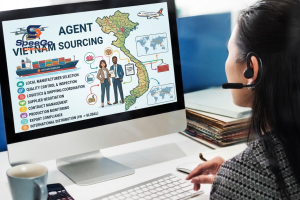
To bridge that gap, Speego Logistics provides end-to-end freight and compliance solutions tailored for Australian businesses sourcing from Vietnam. From supplier coordination and cargo consolidation to customs clearance and last-mile delivery, Speego helps minimize risks, control shipping from Vietnam to Australia costs, and ensure regulatory compliance. For growing brands seeking both cost efficiency and supply chain stability, partnering with an experienced logistics provider transforms international sourcing from a complex process into a scalable growth strategy.
SpeeGo Logistics can help you evaluate suppliers, plan shipping from Vietnam to Australia, and build a cost-effective logistics strategy.
Contact us today for a customized consultation.