


If you are planning to import furniture from Vietnam for a restaurant or cafe in the United States or Canada, choosing the right material is just as important as choosing the right supplier.
In recent years, rattan, bamboo, and woven furniture from Vietnam have become popular in the hospitality industry. These materials offer a natural look, competitive pricing, and strong customization potential.
This guide focuses on practical decisions: what to source, how to evaluate suppliers, and how to import efficiently without unnecessary risks.
Importing furniture from Vietnam refers to the process of sourcing furniture products, such as rattan, bamboo, or wooden items from Vietnamese manufacturers and shipping them to markets like the United States or Canada. This process typically includes supplier selection, product sampling, production, international shipping, customs clearance, and final delivery.
Vietnam is home to a wide network of Vietnam furniture suppliers and experienced furniture manufacturers Vietnam, especially in rattan, bamboo, and handcrafted products. For buyers in the United States and Canada, sourcing from Vietnam offers a balance between design flexibility, cost efficiency, and export experience.
1. Why Import Furniture from Vietnam for Rattan & Bamboo Projects?
Vietnam is widely recognized as one of the key exporters of furniture and handicrafts in Asia, especially in rattan, bamboo, and woven products. According to the International Trade Centre, Vietnam has consistently ranked among the top global exporters of furniture, with strong growth in both wooden and non-wooden categories.
For hospitality businesses, this creates a practical advantage: the ability to combine custom design, stable supply, and competitive pricing in one sourcing destination.
- First, Vietnam has a long-established craftsmanship tradition. Many rattan and bamboo products are still partially handmade, which allows for more intricate weaving patterns. Vietnam are leading suppliers of handcrafted home decor and furniture for European and North American markets, thanks to their skilled labor base.
- Second, supplier flexibility is a major strength. A large number of Vietnamese factories offer OEM and ODM services, allowing buyers to customize size, color, and structure. This is especially valuable for restaurant chains or café brands that need consistent design across multiple locations.
- Third, Vietnam remains cost-competitive. According to data from the World Bank, Vietnam’s manufacturing sector benefits from relatively lower labor costs compared to China, while maintaining strong export infrastructure. This helps importers balance cost, quality, and lead time more effectively.
In practice, most businesses that import furniture from Vietnam work directly with furniture manufacturers Vietnam or through sourcing partners. The supplier ecosystem ranges from small workshops specializing in handcrafted items to large-scale factories capable of mass production.
Understanding how to evaluate Vietnam furniture suppliers is critical to ensure consistent quality, stable lead time, and scalable production
2. Types of Rattan & Bamboo Furniture Best for Restaurants and Cafes
Choosing the right material is not just a design decision. It directly affects durability, customer experience, and long-term maintenance.
Below is a practical breakdown of rattan, bamboo, and woven materials, along with the most suitable use cases for restaurants and cafes.
2.1. Natural Rattan – Best for Indoor Restaurants with a Premium, Relaxed Atmosphere
Natural rattan is widely used in indoor dining spaces where visual appeal matters more than heavy-duty performance.
It creates a warm, handcrafted look that works particularly well in:
- Tropical restaurants
- Fine casual dining
- Boutique cafes with a strong design concept
Best applications:
- Dining chairs
- Lounge seating
- Decorative panels
Why choose natural rattan?
- Lightweight and easy to rearrange
- Unique handcrafted texture
- Strong visual identity for branding
Limitations:
- Not suitable for outdoor or high-humidity environments.
- Requires stable indoor conditions.
Natural rattan furniture is best for indoor restaurants and cafés that focus on atmosphere and design, rather than heavy outdoor use. Vietnam is one of the leading countries in Vietnam rattan furniture export, supplying handcrafted products to global hospitality markets. In practice, businesses should also consider logistics when selecting materials. For example, bulky handcrafted items may increase shipping volume, which directly impacts cost when shipping furniture from Vietnam to overseas markets.
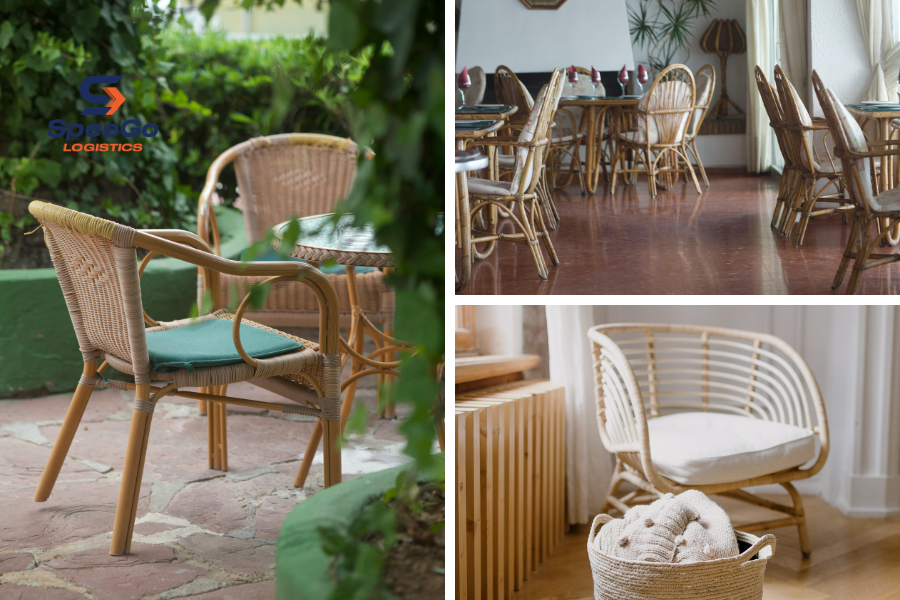
2.2. Synthetic Rattan (PE Rattan) – Best for Outdoor Restaurants and High-Traffic Areas
Synthetic rattan, also known as PE rattan, is designed for durability. It is commonly used in commercial environments where furniture must withstand constant use.
This material is ideal for:
- Outdoor dining areas
- Rooftop bars
- Poolside cafes
- High-traffic restaurant chains
Best applications:
- Outdoor chairs and tables
- Patio lounge sets
- Bar seating
Why choose PE rattan?
- Weather-resistant: UV, rain, humidity
- Long lifespan in commercial use
- Low maintenance
Limitations:
- Less “authentic” look compared to natural rattan.
- Slightly higher upfront cost for high-quality versions.
PE rattan is the best choice for outdoor restaurant furniture because it is durable, weather-resistant, and suitable for high-traffic use. Because of its durability and weather resistance, PE rattan is commonly used in outdoor projects that require large-volume orders, making it more cost-efficient when shipping furniture to USA in full container loads (FCL).
2.3. Bamboo Furniture – Best for Themed Cafes and Eco-Friendly Concepts
Bamboo is often chosen for its sustainability and strong visual character. It is commonly used in concept-driven spaces rather than standard commercial layouts.
This material works well in:
- Eco cafes
- Minimalist or Japanese-inspired interiors
- Farm-to-table restaurants
Best applications:
- Tables and frames
- Decorative structures
- Wall and ceiling elements
Why choose bamboo?
- Fast-growing, sustainable material
- Strong yet lightweight
- Distinct natural aesthetic
Limitations:
- Needs proper treatment for durability
- Can crack or warp if poorly processed
Bamboo furniture is ideal for eco-friendly cafés and concept-driven spaces that prioritize sustainability and natural design. However, proper treatment and packaging are essential to avoid damage during transit, particularly when shipping furniture to Canada, where longer inland transportation may be required after port arrival.
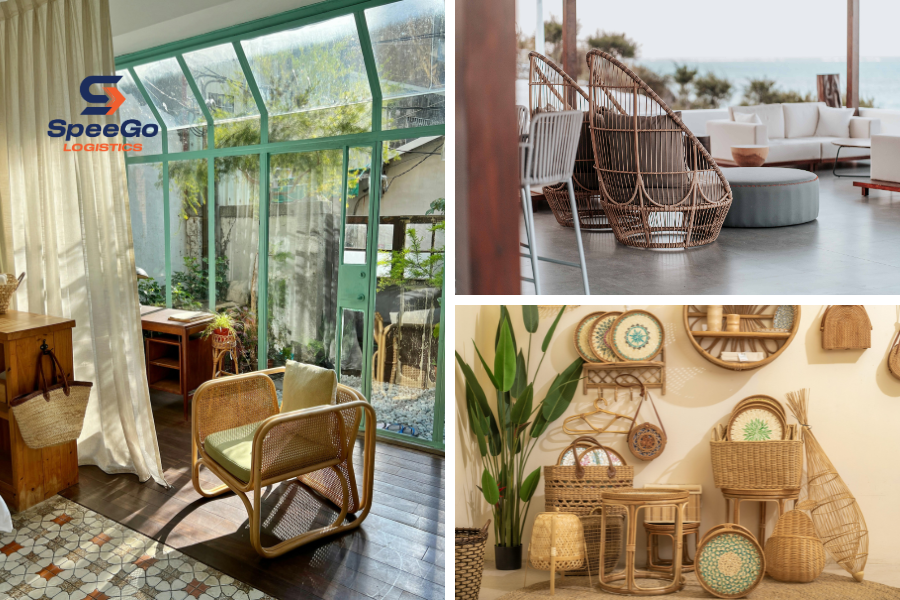
2.4. Woven & Handcrafted Decor – Best for Creating Experience-Driven Spaces
Beyond functional furniture, woven elements play a key role in shaping the overall atmosphere.
They are especially effective in:
- Instagram-friendly cafés
- Lifestyle dining concepts
- Hospitality spaces focused on customer experience
Best applications:
- Pendant lighting
- Wall decor
- Room dividers
Why choose woven décor?
- High visual impact at relatively low cost
- Easy to customize
- Enhances brand identity
Woven décor elements are best for cafés and restaurants that want to create a strong visual identity and improve customer experience.
3. How to Import Furniture from Vietnam (Step-by-Step)
Importing furniture from Vietnam involves more than just placing an order and arranging shipping. In practice, each step from supplier selection to final delivery directly impacts product quality, cost control, and project timelines.
For hospitality businesses such as restaurants and cafés, delays or quality issues can disrupt opening schedules and increase operational costs. Understanding the full process helps reduce risks and ensures smoother execution.
- Step 1: Identify your product and material (rattan, bamboo, wood)
- Step 2: Find and verify suppliers in Vietnam
- Step 3: Request samples and confirm specifications
- Step 4: Negotiate pricing and production timeline
- Step 5: Arrange shipping (FCL or LCL)
- Step 6: Prepare customs documentation
- Step 7: Deliver to warehouse or project site
4. How to Source Furniture from Vietnam Suppliers Effectively?
When businesses start sourcing furniture from Vietnam, supplier selection becomes one of the most critical steps. Unlike standardized manufacturing markets, Vietnam’s furniture industry includes a mix of small workshops and export-oriented factories.
Key factors to evaluate:
- Experience in Vietnam rattan furniture export
- Ability to meet international quality standards
- Previous export markets (US, Canada, Australia)
- Communication and sampling process
Working with experienced Vietnam furniture suppliers helps reduce risks related to inconsistent quality, delayed production, or miscommunication.
5. Ready to Import Furniture from Vietnam for Your Restaurant Project?
If you are looking to import furniture from Vietnam with a focus on rattan and bamboo products, the right preparation can save both time and cost.
Working with an experienced partner like SpeeGo Logistics can help simplify the process. With local expertise and end-to-end support, SpeeGo assists businesses in identifying reliable suppliers, verifying product quality, and planning efficient shipping strategies tailored to your needs.
- Get a tailored supplier list based on your concept
- Receive a detailed quotation within 24 hours
- Start with samples before scaling your order
Explore how SpeeGo Logistics can support your sourcing and shipping process here.
Frequently Asked Questions (FAQ)
- Where to find reliable Vietnam furniture suppliers?
You can find Vietnam furniture suppliers through trade shows, B2B platforms, or sourcing agents. Verifying export experience and product samples is essential.
- Is sourcing furniture from Vietnam better than China?
Sourcing furniture from Vietnam is often preferred for handcrafted, rattan, and bamboo products, while China is stronger in mass production.
- What is Vietnam’s advantage in furniture export?
Vietnam is a leading player in Vietnam rattan furniture export, with strong craftsmanship and competitive labor costs.