

The difference between DDP vs DDU Shipping plays a crucial role in determining who manages import duties, customs clearance, and final delivery costs. Choosing the right shipping term can directly impact shipping costs, customer experience, and overall supply chain efficiency.
1. What is DDP Shipping?
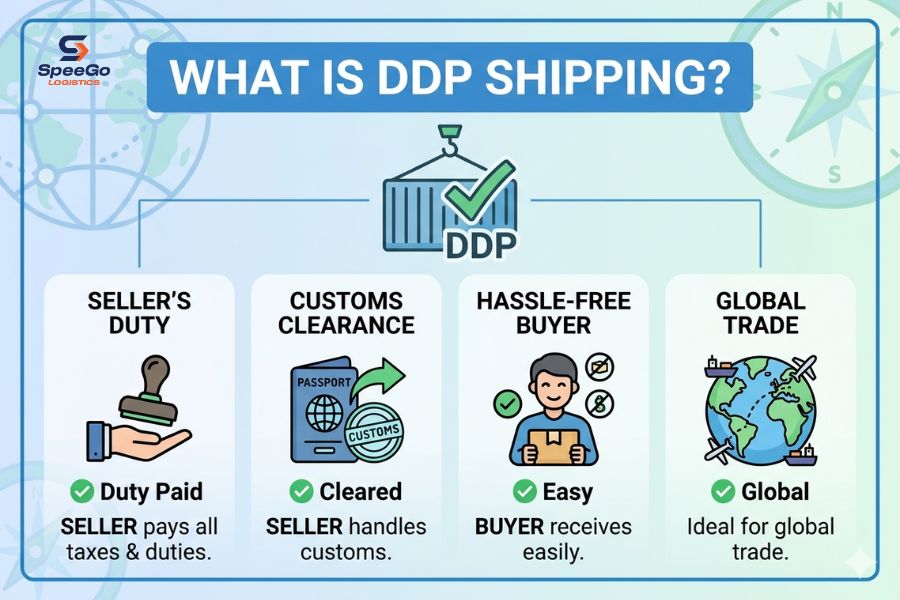
DDP shipping, or Delivered Duty Paid, is an international shipping arrangement where the seller takes responsibility for most logistics processes. This shipping method simplifies the delivery experience for buyers because they usually do not need to manage customs procedures or unexpected import fees.
DDP is widely used in international eCommerce and global trade because it improves pricing transparency and customer convenience. However, sellers must handle more operational responsibilities, comply with foreign customs regulations, and manage international shipping risks.
2. What is DDU Shipping?
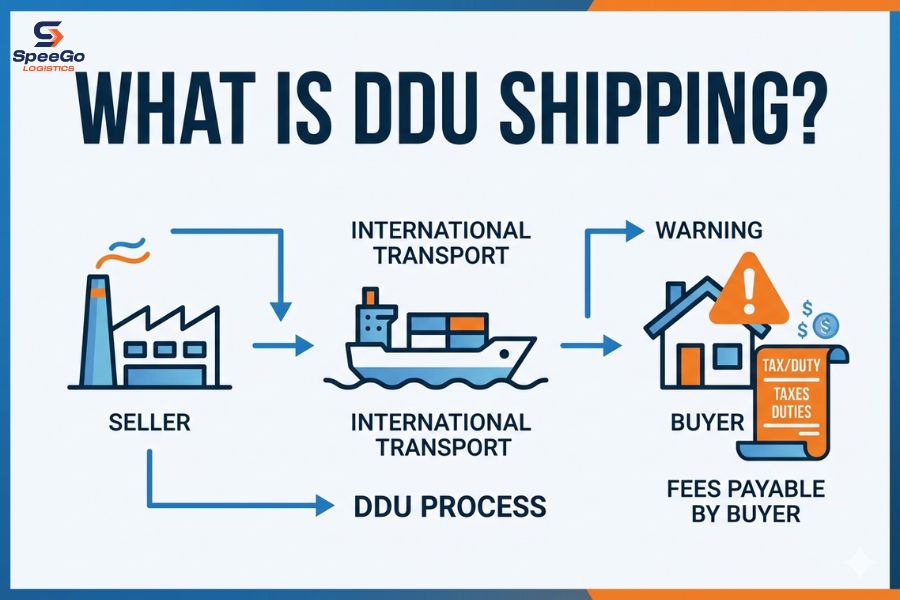
DDU shipping, or Delivered Duty Unpaid, is an international shipping method where the seller handles export procedures and transportation to the destination country. However, the buyer is responsible for import duties, taxes, and customs clearance after the shipment arrives.
Although DDU was replaced by DAP under newer Incoterms from the International Chamber of Commerce (ICC), the term is still widely used in global logistics. DDU shipping can reduce upfront costs for sellers and provide more flexibility in international trade. However, buyers may face unexpected customs fees, import delays, or extra paperwork if local regulations are unclear.
3. DDP vs DDU Shipping
The difference between DDP and DDU is important for businesses involved in international trade and cross-border logistics. Although both shipping terms are used in global transportation, they assign customs responsibilities, shipping costs, and delivery risks differently between buyers and sellers.
| Criteria | DDP Shipping (Delivered Duty Paid) | DDU Shipping (Delivered Duty Unpaid) |
| Who Pays Duties & Taxes | The seller pays import duties, VAT, customs fees, and other destination-country charges before delivery. | The buyer is responsible for paying import duties, taxes, and customs clearance fees after the shipment arrives. |
| Customer Checkout Cost | Checkout costs are usually higher because shipping fees and import charges are included upfront. | Initial checkout costs may appear lower since import duties and taxes are excluded. |
| Price Transparency | Provides clearer landed costs and helps customers understand the full delivery expense before purchase. | Buyers may not know the final import charges until customs clearance begins. |
| Customs Friction | Lower customs complexity for buyers because the seller manages most import procedures and documentation. | Higher customs involvement for buyers, including duty payments and customs coordination. |
| Post-Purchase Experience | Creates a smoother delivery experience with fewer unexpected fees or customs-related delays. | Buyers may face shipment holds, additional charges, or delayed delivery if customs issues occur. |
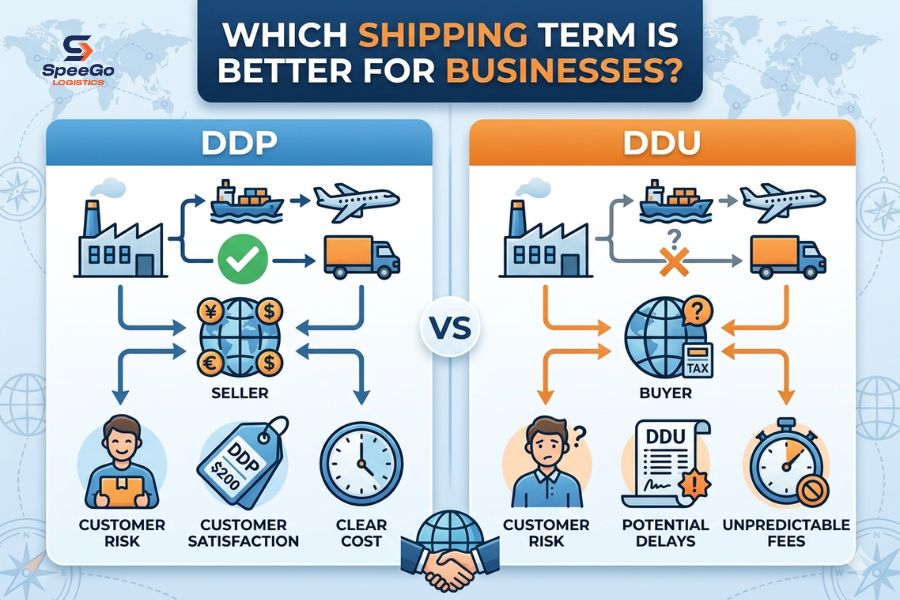
4. Which Shipping Term is Better for Businesses?
There is no single shipping model that works for every company. Businesses should evaluate operational costs, customs responsibilities, and delivery experience before deciding which option better supports their global shipping strategy.
4.1. DDP Shipping Better for Businesses
This approach creates a smoother buying experience because customers usually know the full shipping cost before completing their purchase.
DDP shipping is commonly used by:
- International eCommerce brands
- Businesses selling directly to consumers
- Companies focused on improving customer satisfaction
- Sellers entering new global markets
This shipping method can also help reduce customs-related delivery issues because logistics coordination is handled before the shipment reaches the buyer.
4.2. When is DDU Shipping Better for Businesses?
DDP shipping is often the better option for businesses that prioritize customer convenience and transparent international delivery pricing.
DDP shipping is commonly used by:
- International eCommerce brands
- Businesses selling directly to consumers
- Companies focused on improving customer satisfaction
- Sellers entering new global markets
This shipping method can also help reduce customs-related delivery issues because logistics coordination is handled before the shipment reaches the buyer.
5. Frequently Asked Questions (FAQs)
5.1. Is DDU still used in international shipping today?
Although DDU was officially replaced by DAP under newer Incoterms from the International Chamber of Commerce (ICC), many businesses and freight providers still use the term DDU in logistics discussions and shipping operations.
5.2. Which shipping term provides better price transparency for customers?
DDP shipping usually provides better price transparency because import duties and shipping charges are included upfront. Under DDU shipping, buyers may receive additional customs charges after the shipment arrives.
5.3. Which countries have stricter customs requirements for DDP shipments?
Customs requirements vary between countries, but markets such as Brazil, India, and some European regions are often considered more complex due to strict import regulations, tax structures, and documentation requirements. Businesses should always verify destination-country customs policies before using DDP shipping.
Ultimately, the choice between DDP vs DDU Shipping depends on how businesses balance cost control, customs responsibility, and customer experience. Companies that prioritize simplicity and transparency may prefer DDP, while those focused on operational flexibility may choose DDU.