

Vietnam has become a reliable sourcing destination for Australian businesses looking to import from Vietnam across multiple industries. From furniture and textiles to agricultural products and handicrafts, the country offers a strong balance of cost efficiency, production capacity, and product diversity.
Not every product category delivers the same margins or stability. Some are easier to scale, while others come with hidden risks in compliance or logistics. Understanding these differences early can save both time and cost when you import from Vietnam.
1. Furniture (Indoor & Outdoor)
Among all categories, furniture is often one of the first choices businesses consider when they start to import from Vietnam. Demand in Australia remains strong, driven by residential construction, renovation trends, and the growth of hospitality and retail sectors. Products range from indoor wooden furniture to outdoor garden sets designed for durability and weather resistance.
Vietnam’s position as a global furniture exporter is well supported by data. According to the International Trade Centre (ITC), the country exported over USD 14 billion worth of furniture in 2022, placing it among the top exporters worldwide. This scale allows Australian importers to access both high-volume production and customized designs.
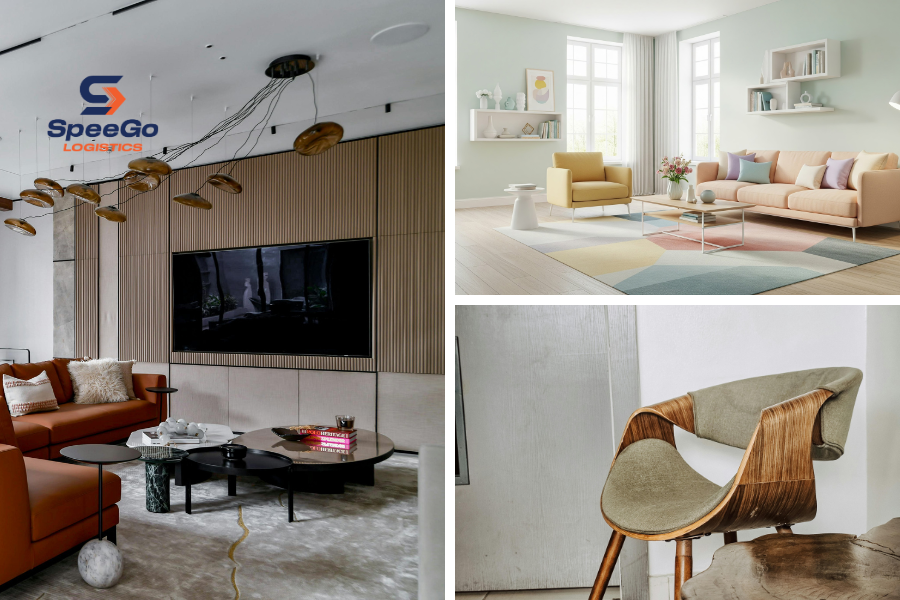
Common products imported into Australia include:
- Indoor wooden furniture (tables, chairs, cabinets)
- Upholstered furniture (sofas, office seating)
- Outdoor furniture (garden sets, patio collections)
The real advantage lies in flexibility. Many suppliers offer OEM and ODM services, making it easier to develop private-label collections tailored to the Australian market. If you’re considering import furniture, Vietnam remains a top choice due to its quality, variety, and competitive prices.
Australia regulation about furniture:
When importing furniture into Australia, compliance requirements play a critical role. Timber and wood-based products are subject to strict biosecurity regulations enforced by the Department of Agriculture, Fisheries and Forestry (DAFF). These rules are designed to prevent the introduction of pests and diseases that could affect Australia’s ecosystem.
Beyond biosecurity, businesses should also be aware of safety and compliance considerations. Furniture sold in Australia must meet relevant consumer safety standards, especially for products such as children’s furniture and upholstered items (fire safety requirements may apply). This makes furniture one of the most practical categories when businesses import from Vietnam, especially for those looking to balance cost efficiency with product customization.
2. Textiles and Garments
The textile and garment sector continues to play a major role in Vietnam exports to Australia, particularly for fashion retailers and e-commerce brands. Vietnamese manufacturers are known for their ability to handle both large-scale production and smaller, more flexible orders.
Common products imported into Australia include:
- Casual wear and fast fashion items.
- Sportswear and activewear.
- Workwear and uniforms.
- Private-label clothing collections.
According to the Vietnam Textile and Apparel Association (VITAS), the country’s textile exports reached approximately USD 37 billion in 2022. This reflects not only strong global demand but also Vietnam’s well-developed supply chain, from fabric sourcing to finished garments. This flexibility is one of the key reasons why many brands choose to sourcing from Vietnam, particularly when developing private-label or fast-fashion collections.
Australia regulation about textile and garment:
Products must comply with labeling and safety regulations enforced by the Australian Competition and Consumer Commission. These requirements ensure that consumers receive accurate product information and that goods meet safety standards.
When importing textiles from Vietnam, businesses need to ensure:
- Proper fiber content labeling (e.g., cotton, polyester percentages).
- Clear country of origin labeling (“Made in Vietnam”).
- Care instructions in English.
- Compliance with product safety standards, especially for children’s clothing.
Certain items may also face restrictions or additional scrutiny. For example, garments containing hazardous dyes or chemicals may be subject to controls under Australian consumer safety regulations. Products designed for infants and children are often more strictly regulated, particularly in relation to flammability and choking hazards.
3. Footwear
Footwear is another category where Vietnam has built a strong global reputation. As the second-largest footwear exporter worldwide, the country plays a critical role in global supply chains. According to the Australian Department of Foreign Affairs and Trade, Australia imported around A$546 million worth of footwear and a significant volume of apparel products from Vietnam, highlighting the country’s importance as a sourcing partner for consumer goods.
Common footwear products imported into Australia from Vietnam include:
- Casual shoes and sneakers
- Sandals and flip-flops
- Sports and performance footwear
- Leather shoes and fashion footwear
Australia regulation about footwear:
Importing footwear into Australia requires careful attention to compliance and product safety regulations. Footwear products must meet general consumer safety standards enforced by the Australian Competition and Consumer Commission, ensuring they are safe for use and accurately described.
Import footwear from Vietnam isn’t complicated, but there are a few details you shouldn’t overlook:
- Clear product labeling, including country of origin (“Made in Vietnam”).
- Accurate material descriptions (e.g., leather, synthetic, rubber).
- Compliance with safety standards, especially for children’s footwear.
- Proper documentation for customs declaration.
While most finished footwear products are considered low-risk, incomplete documentation or unclear material declarations can still lead to delays during customs clearance. As a result, Vietnam has become a reliable option for companies importing from Vietnam, particularly in the footwear segment where scale and consistency matter.
4. Seafood and Agricultural Products
Agricultural and seafood products are key components of Vietnam exports to Australia, particularly for food importers and distributors. Vietnam is one of the world’s leading exporters of shrimp and coffee, with strong global demand for both categories. These products are widely imported into Australia, especially within wholesale and retail food sectors.
Common products imported into Australia include:
- Shrimp and frozen seafood (pangasius, squid, fish fillets).
- Coffee (green beans and processed coffee products).
- Cashew nuts and processed nuts.
- Spices and agricultural products (pepper, cinnamon).
Australia regulation about agricultural and seafood products:
This category requires careful compliance with Australian biosecurity regulations. Importers must ensure that all products meet strict standards set by the Department of Agriculture, Fisheries and Forestry (DAFF), including certifications and quarantine requirements.
If you’re planning to import seafood and agricultural products from Vietnam, it’s worth preparing for a few key requirements:
- Valid import permits for certain food categories.
- Compliance with quarantine and inspection procedures.
- Health certificates and origin documentation.
- Proper packaging and labeling that meet Australian standards.
Some items may face restrictions or conditional import status, particularly:
- Fresh or unprocessed agricultural goods.
- Products with a high risk of pests or contamination.
- Items requiring additional treatment (e.g., heat treatment, irradiation) before entry.
Many food products are also subject to safety regulations administered by Food Standards Australia New Zealand, which govern issues such as food additives, contaminants, and labeling requirements. Products that fail to meet these standards may be rejected, destroyed, or returned, resulting in significant financial loss. In this category, shipping from Vietnam to Australia requires careful handling of temperature control and quarantine procedures to meet strict biosecurity standards.
5. Handicrafts and Home Decor
Handicrafts represent a unique advantage when sourcing from Vietnam, particularly for businesses targeting lifestyle and home decor markets. Products made from natural materials such as rattan, bamboo, and seagrass are increasingly popular among Australian consumers.
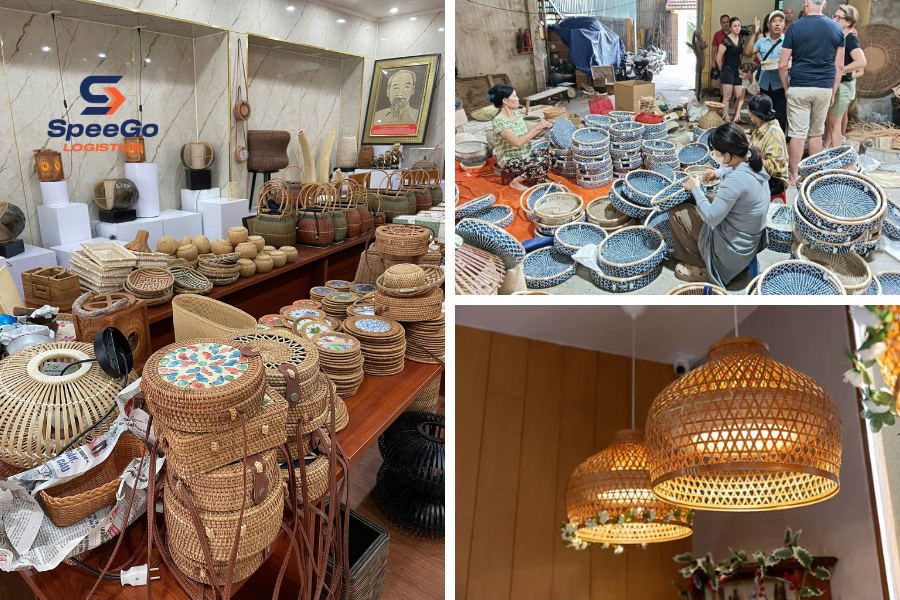
Handicrafts and Home Decor imported into Australia include:
- Rattan and bamboo furniture.
- Seagrass baskets and storage items.
- Woven home décor (lampshades, wall décor).
- Lacquerware and handmade decorative pieces.
Australia regulation about handicrafts and home decor:
Despite their artisanal appeal, handicraft products are still subject to Australia’s import regulations, especially when they are made from natural or untreated materials. The Department of Agriculture, Fisheries and Forestry (DAFF) enforces strict biosecurity controls to prevent the introduction of pests, insects, or organic contaminants.
Importing handicrafts and home decor from Vietnam requires careful attention to the following requirements:
- Products made from natural materials (rattan, bamboo, seagrass) are properly treated and cleaned.
- No presence of soil, mold, or insect contamination.
- Compliance with fumigation or treatment requirements if applicable.
- Packaging materials meet ISPM 15 standards (for wooden pallets or crates).
Some items made from raw or minimally processed plant materials may be classified as higher risk and subject to inspection, treatment, or even import restrictions if they do not meet biosecurity standards.
Choosing the right product is only the first step. Once you decide what to import from Vietnam, factors such as supplier reliability, shipping costs, import tax, and compliance requirements will directly impact your overall profitability and supply chain efficiency.
Interested in importing from Vietnam to Australia? Get in touch with us
If you’re planning to import from Vietnam to Australia, having the right logistics partner can make a significant difference in both cost and efficiency. SpeeGo Logistics supports businesses throughout the entire process from supplier sourcing in Vietnam to final delivery in Australia.
SpeeGo provides end-to-end solutions, including freight forwarding, customs documentation, and route optimization. By aligning shipping methods with your timeline and budget, businesses can better manage transit time while keeping overall landed costs under control.
Get in touch with us or submit a query below.
Frequently Asked Questions (FAQ)
- Is it cheaper to import from Vietnam compared to other countries?
Vietnam offers cost advantages, especially in labor-intensive industries like furniture, textiles, and handicrafts. However, the total cost to import from Vietnam also depends on shipping, import tax, and supplier pricing, so it’s important to calculate the full landed cost.
- Which products are the most profitable to import from Vietnam?
The most profitable products to import from Vietnam typically include furniture, handicrafts, textiles, cosmetics, and nail-related items.
- What is the cheapest way to import from Vietnam to Australia?
Ocean freight is generally the most cost-effective option, especially for large or heavy shipments. Consolidation (LCL) can help reduce costs for smaller orders, while full container loads (FCL) offer better pricing at scale.