If you are planning to import from Vietnam, handcrafted products offer one of the most competitive and scalable sourcing opportunities. From ceramics and lacquerware to bamboo furniture and textiles, Vietnam has become a key destination for global buyers looking for unique, cost-effective, and high-value products.
However, not all products offer the same level of profitability or ease of import. Factors such as shipping cost, fragility, customization requirements, and market demand can significantly impact your decision.
Below are some of the most practical and high-potential product categories to consider when importing from Vietnam.
1. Mother-of-pearl Product
Mother-of-pearl products from Vietnam are crafted using a meticulous inlay technique, where thin layers of nacre (from seashells) are carefully cut, shaped, and embedded into wooden surfaces.
What sets Vietnamese mother-of-pearl apart is the combination of traditional handcraft and modern finishing. Artisans often spend hours aligning each shell fragment to create flowing patterns such as floral motifs, geometric designs, and cultural scenes.
The final product is polished multiple times, resulting in a smooth, reflective surface that changes color depending on the light angle. This creates a premium, high-end look that is difficult to replicate with machine-made alternatives.
Best for:
- Home decor, gift, and hospitality segments
- Offer high perceived value with relatively low production cost
- Retail and project-based sourcing (hotels, interior design)
Main Production Areas in Vietnam:
- Chuon Ngo Village (Ha Noi)
- Chuon Thuong Village (Ha Noi)
- Chuon Trung Village (Ha Noi)
- Chuon Ha Village (Ha Noi)
Product Examples:
- Jewelry boxes (gift and retail segment)
- Decorative trays (hospitality & home use)
- Wall art panels (interior design projects)
- Cabinet doors and furniture inlays (high-end furniture)
Export Requirements by Market
- United States: Declare full material composition (e.g., wood, shell) and correct HS code. Comply with the Lacey Act for wood-based products (legal sourcing + declaration). Ensure accurate labeling “Made in Vietnam” and product description. Check if shell materials fall under CITES regulations depending on species
- Canada: Ensure traceability of wood materials (similar to U.S. requirements). Provide clear product labeling (may require English & French). Comply with ISPM 15 standards for wood packaging. Meet general consumer product safety standards
- Australia: Subject to strict biosecurity inspection by Department of Agriculture, Fisheries and Forestry. May require fumigation or heat treatment certification for wood products. Products must be clean (no insects, soil, or contaminants). Prepare full documentation: packing list, material declaration, treatment certificates
From a sourcing perspective, mother-of-pearl products are a strategic choice when you import from Vietnam. They offer high perceived value while maintaining relatively low production costs. However, buyers should pay attention to packaging and surface protection, as these products can be sensitive to scratches during shipping.
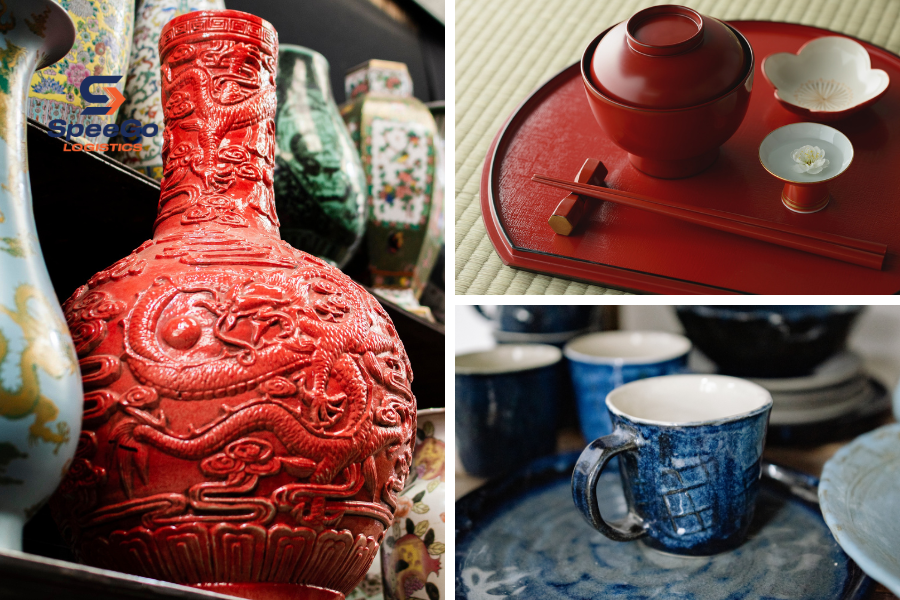
2. Lacquerware
Vietnamese Lacquer Products are created through a complex, multi-step process that can take several weeks to complete. Artisans apply multiple layers of natural or synthetic lacquer, followed by sanding and polishing after each layer. Lacquerware usually has a deep, glossy finish that reflects light smoothly, high durability, against moisture, and a premium look suitable for both decor and functional use.
Best for:
- Mid-range and premium segments.
- Home decor, hospitality, and gift markets.
- Brand building.
Main Production Areas in Vietnam
- Ha Thai Village (Ha Noi)
- Tuong Binh Hiep Village (Thu Dau)
- Cat Dang Village (Nam Dinh)
- Boi Khe Village (Ha Noi)
Examples
- Serving trays (widely used in hospitality and retail)
- Bowls and plates (decorative or functional)
- Jewelry boxes and storage items
- Wall art panels and decorative objects
Export Requirements by Market
- United States: Coatings must meet safety standards (e.g., limits on lead, formaldehyde if applicable). Food-contact items (trays, bowls) must comply with U.S. Food and Drug Administration regulations. Use protective packaging to prevent scratches and surface damage
- Canada: Surface coatings must be non-toxic and meet consumer safety standards. Labeling may require both English and French. Food-use items must comply with food safety regulations. Packaging should protect against moisture and abrasion
- Australia: May be inspected by Department of Agriculture, Fisheries and Forestry if products include wood components. Coatings must be properly declared and safe. Wooden bases may require fumigation or treatment certification. Products must be clean and free from contaminants
When businesses import from Vietnam, lacquerware is often selected for its strong differentiation compared to mass-produced alternatives. However, due to the multi-layer production process, buyers should plan for longer lead times compared to standard products.
3. Handwoven Textiles (Vietnamese Handmade Fabrics)
Unlike factory-produced textiles, each handwoven fabric reflects the identity of the artisan and the region it comes from. In many cases, importers use these products not only for retail but also to build brand storytelling around sustainability and cultural authenticity.
This is especially relevant for boutique brands and lifestyle stores targeting conscious consumers.
- Hand-dyed natural or semi-natural fibers
- Unique patterns that vary slightly from piece to piece
- Dense weaving techniques that enhance durability
Many designs are inspired by local traditions, such as geometric motifs or symbolic patterns passed down through generations. This gives the product strong appeal in markets that value authenticity, sustainability, and handmade quality.
Best for:
- Home decor, fashion accessories, and lifestyle retail
- Ethical and sustainable products
- Premium or artisan-made
Main Production Areas in Vietnam:
- Sapa (Lao Cai): known for H’mong and Dao textile traditions
- Ha Giang Province: strong ethnic weaving heritage
- Central Highlands (Tay Nguyen): distinctive tribal patterns and materials
Product Examples
- Cushion covers (home decor retail).
- Tote bags and fashion accessories.
- Rugs and throws (boho and lifestyle markets).
- Table runners and wall textiles.
Export Requirements by Market (Vietnamese Handmade Fabrics)
- United States: Comply with Textile Fiber Products Identification Act. Labels must include fiber composition and “Made in Vietnam”. Certain items must meet flammability standards by the Consumer Product Safety Commission. Avoid unverified claims such as “organic” unless certified.
- Canada: Follow Textile Labelling Act. Labels must be bilingual (English & French). Declare fiber composition and dealer identity. Meet general consumer product safety requirements
- Australia: Fiber content labeling is required under the Australian Consumer Law. Accurate product description must be provided (no misleading labeling). No strict flammability rules for all textiles, but safety expectations still apply depending on use. Products must be clean and free from contaminants for import clearance
For businesses planning to import from Vietnam, handwoven textiles are ideal for niche and premium markets. Production capacity can be limited due to the handmade nature, making them more suitable for small to medium-volume orders rather than mass distribution.
4. Wooden Handicrafts (Vietnamese Wooden Crafts)
Wooden handicrafts from Vietnam stand out due to the combination of traditional carving techniques and modern finishing methods. Skilled artisans transform raw wood into detailed, functional, and decorative products with both aesthetic and practical value.
These products often feature:
- Hand-carved patterns (floral, geometric, cultural motifs)
- Smooth finishing with natural oils or protective coatings
- A balance between rustic and contemporary design styles
Vietnamese workshops are also highly flexible. Many can produce both small handcrafted batches and semi-industrial orders, making them suitable for importers testing new markets or scaling up. From a sourcing perspective, wooden handicrafts are often used as entry-level products for businesses new to importing or planning to import from Vietnam at scale.
Main Production Areas in Vietnam:
- Dong Ky Village (Tu Son)
- Binh Cau Village (Bac Ninh)
- Ngo Hoi Village (Bac Ninh)
Product Examples:
- Home decor items (figurines, wall decor)
- Kitchenware (cutting boards, utensils, trays)
- Small furniture pieces (stools, shelves)
Export Requirements by Market (Wooden Handicrafts)
- United States: Must comply with the Lacey Act. Declare wood species and country of harvest. Ensure legal sourcing of timber. Proper labeling required “Made in Vietnam” and product description. Wooden packaging must comply with ISPM 15 (heat-treated or fumigated). Moisture control is critical to prevent cracking or warping during transit
- Canada: Requires proof of legally sourced wood (similar to U.S. standards). Product labeling may require English and French depending on use. ISPM 15 compliance for wooden packaging materials. Must meet general consumer product safety standards (especially for kitchenware)
- Australia: Strict inspection by Department of Agriculture, Fisheries and Forestry. Wood products may require fumigation and heat treatment certification. Products must be free from: Bark, Insects, Contamination. Detailed documentation required (packing list, material declaration, treatment certificate)
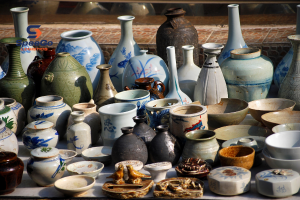
5. Ceramics & Pottery
Vietnamese ceramics and pottery are widely recognized for their balance between traditional craftsmanship and modern usability. Each product goes through multiple stages, including shaping, drying, glazing, and high-temperature firing. Vietnamese artisans often use layered glazing methods to create: natural color variations, crackle or matte finishes and hand-painted patterns with cultural elements.
Unlike mass-produced ceramics, many Vietnamese items are still partially handmade. This results in slight variations in shape, texture, and color, which are highly valued in premium and lifestyle markets. These production clusters make it easier for global buyers to import ceramics from Vietnam, as they provide consistent supply capacity, skilled labor, and experience in handling export requirements.
- Bat Trang (Ha Noi)
- Chu Dau (Hai Duong)
- Phu Lang (Bac Ninh)
- Tho Ha (Bac Ninh)
Depending on your target market, you can selectively import ceramics from Vietnam across different categories, from high-volume tableware to niche decorative items with higher margins.
- Tableware (plates, bowls, mugs, retail & hospitality use)
- Decorative vases (home decor and interior design)
- Planters (indoor and outdoor gardening markets)
Export Requirements by Market (Ceramics & Pottery)
- United States: Food-contact items must comply with safety standards set by the FDA. Products may require laboratory testing before import. Packaging must be designed to prevent breakage during transit
- Canada: Must comply with consumer product safety regulations, including limits on lead and cadmium in ceramic ware. Food-use items must meet food safety requirements similar to U.S. standards. Protective packaging is essential to reduce damage risk
- Australia: Food-contact ceramics must meet safety standards under Food Standards Australia New Zealand. Products must be clean and free from contaminants. Breakage-resistant packaging is critical due to long shipping distances. Documentation should clearly describe product materials and intended use
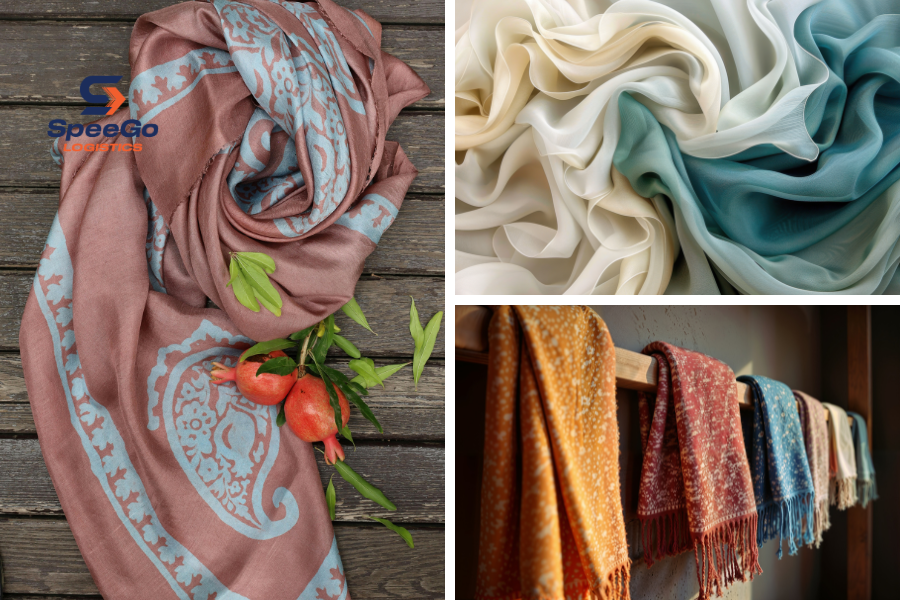
6. Silk Scarves
Vietnamese silk scarves are known for their lightweight texture, natural sheen, and smooth finish, making them highly attractive in premium fashion and gift markets. In addition, many Vietnamese silk products feature subtle color gradients or hand-painted details, traditional patterns combined with modern fashion styles and slight variations that reflect handmade quality.
Best for:
- Fashion retail, gift shops, and souvenir markets
- Branding, private label, or seasonal collections
Main Production Areas:
- Van Phuc (Ha Noi)
- Nha Xa (Ha Nam)
- Phung Xa (Ha Noi)
Product Examples:
- Fashion scarves (retail and boutique stores)
- Shawls (premium accessories and gifting)
- Headscarves and lightweight wraps
- Corporate or branded gift items
Export Requirements by Market (Silk Scarves)
- United States: Must comply with the Textile Fiber Products Identification Act. Label must include Fiber composition (e.g., 100% silk) and Country of origin (“Made in Vietnam”). Care instructions are required (washing, ironing, dry cleaning). Avoid misleading claims such as “pure silk” unless verified. Certain textile categories may be regulated by the Consumer Product Safety .Commission for general safety compliance.
- Canada: Must follow the Textile Labelling Act. Labels must be bilingual (English & French) must include: Fiber composition and Dealer identity (manufacturer or importer). Care labeling is strongly recommended for retail distribution. Products must meet general consumer product safety standards.
- Australia: Fiber content labeling required under Australian Consumer Law. Product descriptions must be accurate and not misleading. Care instructions should be included for proper consumer use. Products must be clean, free from contaminants, and properly packaged for import clearance.
7. Lotus Products
Lotus-based products from Vietnam are considered one of the most distinctive craft categories due to their rare raw materials and strong cultural symbolism. The lotus plant is deeply associated with purity and balance in Vietnamese culture, which adds storytelling value to each product.
Best for:
- Premium, eco-friendly, and wellness-focused consumers
- Storytelling and branding potential
- Boutique retail, gifting, and specialty stores
Main Production Areas: Dong Thap Province (Mekong Delta) is the largest lotus-growing region in Vietnam.
Product Examples:
- Lotus fiber scarves (luxury fashion segment)
- Lotus tea (wellness and specialty food market)
- Dried lotus seeds (snack and health food category)
- Handmade accessories (eco-friendly gift items)
Export Requirements by Market (Lotus-Based Products)
- United States: Products must be classified correctly based on categories like Textile (lotus fiber fabric, scarves) and Food (lotus tea, seeds). Also, food products must comply with regulations from the U.S. Food and Drug Administration. Avoid unverified health claims for wellness products
- Canada: Product classification determines requirements (textile vs food). Food items must comply with Canadian Food Inspection Agency regulations. Natural health claims must be supported by evidence.
- Australia: Food imports are regulated by the Department of Agriculture, Fisheries and Forestry and food standards authorities. Products must be free from contaminants (soil, pests, organic residue).
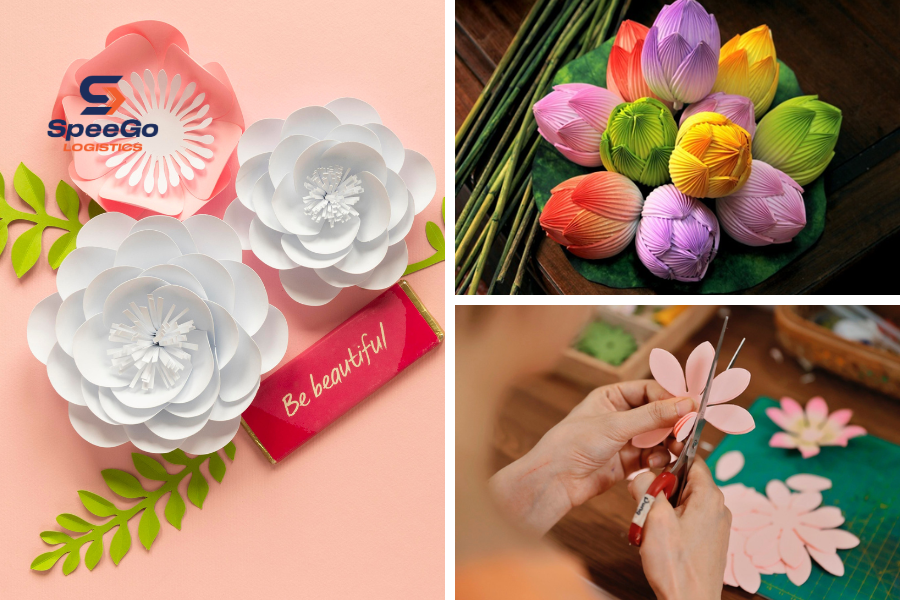
8. Paper Flower Paintings
Paper flower paintings from Vietnam are handcrafted artworks created by layering, shaping, and assembling colored paper into three-dimensional compositions. Unlike printed art, each piece is manually arranged to produce depth, texture, and shadow effects.
Paper flower paintings from Thanh Tien village (Hue) are unique because they are handmade using layered paper techniques, creating lightweight 3D artworks with strong cultural and decorative appeal. This makes paper flower paintings a low-risk category to import from Vietnam, especially for businesses focusing on lightweight and decorative products.
Product Examples:
- Framed wall art (home decor and retail stores)
- Decorative panels for cafés or boutique spaces
- Handmade greeting or gift art pieces
Export Requirements by Market (Paper Flower Paintings)
- United States: Must provide accurate product description and material declaration (paper, glue, frame if applicable). Subject to general import rules enforced by U.S. Customs and Border Protection. Wooden frames (if included) may require compliance with ISPM 15 packaging standards. Ensure products are clean and free from organic contamination
- Canada: Clear labeling of materials and country of origin required. Wooden components (frames) must comply with import and packaging standards. Products must meet general consumer product safety expectations. Bilingual labeling may be required depending on retail channel.
- Australia: Strict inspection by the Department of Agriculture, Fisheries and Forestry due to plant-based materials (paper). Products must be free from: insects, mold or moisture and organic residue. Wooden frames may require treatment certification.
9. Handcrafted Leather Goods
Handcrafted leather goods from Vietnam are increasingly recognized for their balance between affordability and craftsmanship. Unlike mass-produced leather items, many Vietnamese workshops focus on small-batch production, allowing for better quality control and customization.
Best for:
- Fashion retail, corporate gifting, and lifestyle brands
- Offer strong branding potential (custom logos, packaging)
- Are compact, making them efficient for international shipping
Product Examples:
- Wallets and cardholders (high-volume retail items)
- Handbags and tote bags (fashion segment)
- Laptop sleeves and accessories (corporate and lifestyle markets)
- Custom-branded gift items
Export Requirements by Market (Handcrafted Leather Goods)
- United States: Must clearly declare material type (genuine leather, synthetic, or mixed). Avoid misleading terms such as “full grain” or “genuine leather” unless verified. Certain animal-derived materials may require additional documentation depending on origin.
- Canada: Accurate labeling of material composition is required (real vs synthetic leather). Products must comply with general consumer product safety standards. Chemical content in dyes and finishes should meet safety guidelines.
- Australia: Must comply with product safety and labeling rules under Australian Consumer Law. Products must be clean and free from contamination for import clearance. Certain exotic leather materials may be subject to import restrictions or permits.
10. Bamboo, Rattan & Woven Handicrafts
Bamboo, rattan, and woven handicrafts from Vietnam are highly valued for their sustainability, flexibility in design, and strong alignment with global eco-friendly trends.
These materials grow quickly and are renewable, making them ideal for brands targeting environmentally conscious consumers. What sets Vietnamese products apart is the hand-weaving technique, where artisans shape raw fibers into durable structures without heavy industrial processing.
Best for:
- Home decor, storage, and hospitality furniture segments
- Small decor items and large furniture collection
Examples:
- Storage baskets (retail and home organization)
- Pendant lamps and lighting (cafes, restaurants, interior design)
- Chairs, tables, and small furniture (hospitality projects)
- Decorative trays and organizers
Before you import handicraft from Vietnam, it is important to understand country-specific regulations, especially for natural materials that may be subject to strict biosecurity controls.
- United States: Must declare natural plant-based materials clearly (bamboo, rattan, seagrass, etc.). Products are subject to inspection by Animal and Plant Health Inspection Service for pest control. Ensure materials are properly treated (e.g., kiln-dried, fumigated if required).
- Canada: Natural fiber products must be free from pests and contamination upon entry. Material declaration is required for customs clearance. Packaging must protect against moisture, as woven products can deform in humid conditions. Oversized items (furniture, lighting) may require specific logistics planning and labeling.
- Australia: Strict biosecurity inspection by Department of Agriculture, Fisheries and Forestry for all plant-based materials. Mandatory treatment may include: fumigation and heat treatment.
Overall, businesses that import handicraft from Vietnam can benefit from competitive pricing, flexible production, and strong alignment with global sustainability trends, as long as they carefully manage material compliance, packaging, and logistics.
How to Choose the Right Products to Import from Vietnam?
Choosing the right sourcing handicrafts from Vietnam depends on your business model and target market.
- Retail and e-commerce businesses: Focus on lightweight, high-margin products such as ceramics, silk scarves, and leather goods. These items are easier to ship and ideal for online sales.
- Hospitality and project-based businesses: Prioritize furniture, lighting, and woven products that enhance customer experience and support interior design concepts.
- Brand-focused businesses: Select handcrafted products with strong storytelling value, such as textiles, lacquerware, and lotus-based items, to differentiate in competitive markets.
By aligning product selection with your business model, you can reduce logistics costs, improve inventory turnover, and scale more efficiently when importing from Vietnam.
Ready to Import Unique Crafts from Vietnam?
If you are planning to import from Vietnam and want to build a reliable supply chain for handcrafted products, choosing the right partner makes a significant difference.
At SpeeGo Logistics, we help businesses simplify the entire process of importing from Vietnam, from sourcing reliable suppliers to managing shipping and customs clearance.
Whether you are new to import from Vietnam or expanding your product range, our team provides end-to-end solutions tailored to your business.
- Access to verified handmade Vietnam suppliers across key craft villages.
- Transparent quotations within 24 hours.
- End-to-end support: sourcing, quality control, and shipping handcraft to USA, Canada, and Australia.
- Flexible solutions tailored to your product type and order volume.
Talk to our team and plan your next import with clarity