
Discover the top 7 products the US imports from Vietnam, including electronics, furniture, and textiles. Learn demand trends, import costs, and sourcing insights for 2026.
Vietnam has quietly become one of the most important sourcing markets for US businesses, especially in categories like electronics, furniture, and textiles. What often surprises new importers is not just the scale, but the diversity of products that can be sourced efficiently from Vietnam.
This guide breaks down the top products the US imports from Vietnam, along with real trade data and practical insights to help you evaluate sourcing opportunities.
1. Why the US Imports So Much from Vietnam?
The United States imports a significant volume of goods from Vietnam, making it one of the country’s most important trading partners. With a turnover of approximately USD 96.8 billion in 2023, according to the General Department of Customs, this upward trend is expected to continue into 2024, as reported by the Ministry of Industry and Trade. The U.S. market exhibits a wide range of demand, spanning agriculture, forestry, seafood, textiles, furniture, electronics, and consumer goods. It is characterized by high purchasing power, strict quality standards, a focus on sustainability, and transparent supply chains. Moreover, the U.S. is a strategic destination for many companies.
In 2023, the textile and garment industry generated over USD 40 billion in export value (per VITAS), with the U.S. accounting for the largest share. The wood and wood products sector reached around USD 14.4 billion, with more than 50% exported to the U.S. Meanwhile, electronics and component exports continue to lead in value, growing by 15 – 18% thanks to the expansion of major technology corporations. Agricultural and seafood products also remain significant, with key exports including shrimp, pangasius fish, and cashew nuts.
2. Top 7 Products the US Imports from Vietnam
2.1. Electronic Components
Electronics and components are among the largest categories the US imports from Vietnam, reflecting the country’s growing role in global supply chains. According to Vietnam Customs, exports of computers, electronic products, and components to the US reached over USD 42 billion, accounting for approximately 27.4% of total exports to the market.
What becomes clear after working with this category is how deeply Vietnam is integrated into manufacturing networks for major tech brands. Instead of exporting finished products alone, many suppliers now participate in OEM and ODM production, supplying parts that eventually become part of global electronics systems.
This makes electronics one of the most scalable segments when importing from Vietnam, especially for businesses looking to secure stable, long-term supply.
2.2. Textiles and Garments
Textiles remain one of the most in-demand product categories the US imports from Vietnam, supported by consistent consumer demand and strong retail distribution networks. According to data from the Vietnam Textile and Apparel Association (VITAS), exports to the US accounted for approximately USD 16.7 billion in 2024, representing nearly 38% of the industry’s total value.
From a sourcing perspective, what stands out is not just volume, but flexibility. Vietnam manufacturers are able to handle both large-scale production and smaller, design-driven orders, which is particularly useful for brands testing new collections. This level of flexibility is one of the main reasons why many fashion brands prioritize sourcing from Vietnam, especially when balancing speed, customization, and production scale.
However, importing textiles into the US also requires strict compliance with labeling regulations, including fiber composition and country of origin. Missing these details can delay customs clearance and increase overall costs.

2.3. Footwear
Footwear continues to be a major category imported into the US from Vietnam, driven by strong demand from global sportswear and fashion brands. According to LEFASO, Vietnam’s footwear exports to the US reached over USD 11 billion, accounting for roughly 36 – 37% of total footwear exports.
What makes Vietnam competitive in this segment is the combination of cost efficiency and production expertise. Many international brands have shifted manufacturing here, not just for pricing advantages but also for reliability in large-scale production. Major brands like Nike, Adidas, and Puma have established manufacturing or subcontracting facilities in Vietnam due to competitive costs, skilled labor, and advantageous trade agreements that reduce tariffs. As a result, the U.S. has become a primary destination for many “Made in Vietnam” brands, particularly in sports and casual footwear segments.
2.4. Furniture
Furniture is one of the fastest-growing categories the US imports from Vietnam, particularly as companies diversify away from traditional sourcing markets. Vietnam exported approximately USD 17.2 billion in wood and wood products in 2025, with the US accounting for around 55% of that value (Vietnam Customs).
Thanks to abundant raw materials and skilled labor, many furniture brands have set up manufacturing facilities in Vietnam. Additionally, the ongoing trade tensions and tariffs on Chinese imports have opened up opportunities for Vietnamese exports. Data from the U.S. International Trade Commission (USITC) shows that in the first eight months of 2025, the U.S. imported USD 6.1 billion worth of wood products from Vietnam, representing 45.3% of its total imports in this category. This strong demand also translates into a growing need for shipping furniture from Vietnam to the US, especially as businesses scale sourcing and require more stable logistics solutions.
With a large market share and stable growth, furniture manufacturers can leverage cost advantages and innovative designs to expand production. Popular products include sofas, living room tables, bedroom furniture, and decorative items, all of which command steady demand and export value.
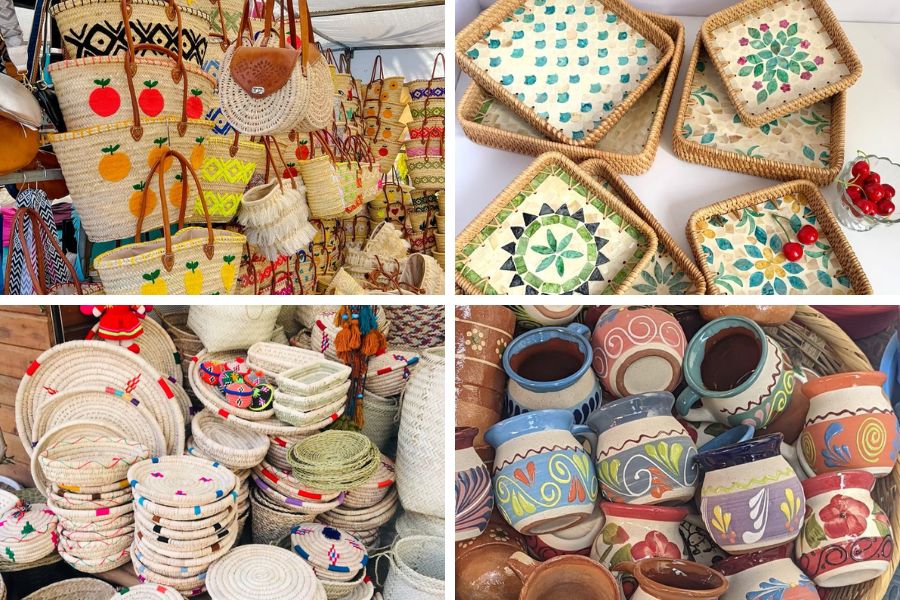
2.5. Handicrafts
Handicrafts are increasingly popular among products imported into the US from Vietnam, especially as consumer preferences shift toward natural materials and sustainable design. According to Vietnam Customs, exports of handicrafts made from rattan, bamboo, and similar materials exceeded USD 574 million globally as of August 2025.
American consumers are increasingly interested in products made from natural materials like rattan, straw, and bamboo, both for home decoration and gift-giving purposes. Therefore, handicrafts serve not only as aesthetic accessories but also reflect personal tastes, helping to boost Vietnam’s exports into this segment.
This category is especially suitable for small and medium-sized enterprises due to its flexible production processes and low technological requirements. It also aligns well with online retail channels such as Amazon, Etsy, and eBay, where consumers seek unique, handcrafted decor items.
2.6. Agricultural Products
Agricultural products are another important category the US imports from Vietnam, particularly coffee, pepper, and processed food items. In the first half of 2025, Vietnam’s agricultural, forestry, and seafood exports reached nearly USD 9.38 billion, with exports to the US increasing by 18.9% year-on-year (Vietnam Customs).
Demand in the US market tends to favor products that are not only cost-competitive but also meet safety and quality standards. This is why processed goods such as roasted coffee or packaged cashew nuts often perform better than raw exports.
2.7. Plastics and Rubber
Although the U.S. market accounts for a small portion compared to major partners like China and the EU, Vietnam’s rubber exports to the U.S. in 2024 reached approximately 29,200 tons, valued at around USD 50.6 million. These figures reflect the diverse needs of the U.S. market, where plastic products are widely used both in daily life and in industrial manufacturing.
While the rubber market remains modest in the U.S., there are growth opportunities, particularly for processed rubber products and technical items such as hoses, belts, gaskets, and rubber parts for automotive and construction applications.
3. Key Considerations When Importing from Vietnam to the US
Importing from Vietnam into the US involves more than just choosing the right product. In practice, factors such as tariffs, compliance requirements, shipping methods, and documentation can significantly affect both cost and delivery timelines.
Understanding these key considerations early helps businesses avoid delays, reduce unexpected expenses, and build a more reliable supply chain when importing from Vietnam.
3.1. Import Tariffs and HS Codes
When importing from Vietnam, HS codes play a critical role in determining import duties and taxes in the US. Each product is classified under the Harmonized Tariff Schedule of the United States (HTSUS), which directly impacts the total import tax applied to your shipment.
The U.S. utilizes the Harmonized Tariff Schedule of the United States (HTSUS), issued by the U.S. International Trade Commission (USITC), to classify goods. Unlike the international standard of six digits, the HS codes used in the U.S. consist of ten digits, allowing authorities to precisely determine the applicable tariffs for each product.
Importantly, misdeclaring HS codes can significantly impact the import process and business plans. If the declared code does not match the actual nature of the product, U.S. customs authorities have the right to recover the difference in tariffs, impose administrative penalties, and even hold the shipment for detailed inspection (Customs Hold). To mitigate this risk, companies can utilize the services of professional logistics providers, such as SpeeGo Logistics, to review documentation before shipment and handle any issues that may arise.
Inaccurate classification can lead to higher import tax, customs delays, or penalties. This is why many businesses review HS codes carefully or work with logistics partners to ensure compliance when importing from Vietnam.
3.2. US Import Requirements and Product Compliance
Each product imported into the US must comply with specific regulatory standards depending on its category. These US import requirements can include safety certifications, labeling rules, and product testing before goods are allowed to enter the market.
Every product category has mandatory standards that must be met before entering the U.S. market. Failure to provide the necessary documentation can result in goods being prohibited from entry, confiscated, or heavily fined. Therefore, businesses need to thoroughly research and prepare all required certificates and paperwork to avoid such issues.
In many cases, shipments are delayed not because of logistics issues, but due to missing or incomplete compliance documents. Preparing these requirements early can significantly reduce clearance time and avoid unexpected costs.
3.3. Shipping Costs and Transit Time from Vietnam to the US
Shipping costs and transit time are two of the most important factors when importing from Vietnam. Ocean freight is typically more cost-effective for large shipments, while air freight offers faster delivery for urgent or high-value goods.
Shipping time from Vietnam to the US usually ranges from 20 – 35 days for ocean freight (West Coast) and 5 – 8 days for air freight, depending on routing and carrier schedules.
3.4. Total Landed Cost When Importing from Vietnam
The actual cost of importing from Vietnam goes beyond the product price. Businesses need to consider the total landed cost, which includes shipping fees, import duties, customs clearance, inland transportation, and potential storage charges. A clear understanding of these cost components helps avoid underestimating expenses and ensures better pricing strategies in the US market.
4. Conclusion
Understanding what the US imports from Vietnam is only the first step. The real challenge often comes from managing suppliers, documentation, and shipping efficiently. SpeeGo Logistics supports businesses throughout the entire process, from sourcing to final delivery, helping you build a more reliable and cost-effective supply chain.
Tell us a bit about your shipment, and our team will help you identify the most suitable sourcing and shipping strategy based on your product, timeline, and budget.
Frequently Asked Questions (FAQ)
- Why do US businesses import from Vietnam instead of China?
Many businesses choose to import from Vietnam to diversify supply chains, reduce tariff risks, and benefit from competitive labor costs. Vietnam is also known for strong growth in sectors like furniture, textiles, and electronics manufacturing.
- Is Vietnam a reliable sourcing market for long-term supply chains?
Vietnam has become a stable sourcing destination thanks to its manufacturing ecosystem, improving infrastructure, and strong export growth. Many global brands already rely on Vietnam for long-term production.
- How much does it cost to ship from Vietnam to the US?
Shipping cost from Vietnam to the US varies depending on volume and method:
- Ocean freight: more cost-effective for large shipments
- Air freight: faster but significantly more expensive
In practice, total cost also includes customs duties, inland transport, and handling fees.