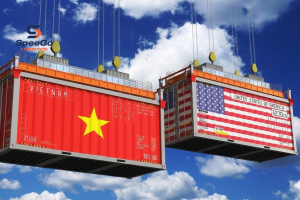
This article explains the main shipping from Vietnam to Canada, including transit time estimates, freight costs, and key factors that influence international shipments.
1. Shipping method from Vietnam to Canada
When you need to ship goods to Canada, businesses can choose from several international freight options depending on cargo size, delivery urgency, and transportation budget.
1.1. Ocean Freight (Sea Freight)
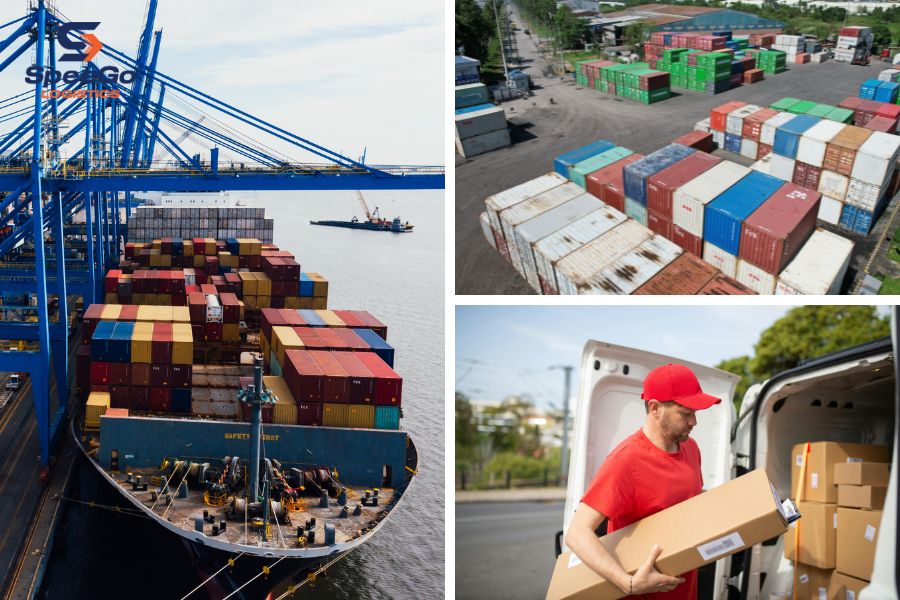
Ocean freight is the most widely used shipping method for international trade between Vietnam and Canada, particularly for large or heavy cargo shipments. It is generally the most cost-effective option for transporting goods over long distances, especially when shipping in bulk quantities.
- FCL (Full Container Load): It refers to a shipping method where one shipper uses an entire container exclusively for their cargo. This option is commonly used for high-volume shipments or when businesses want better control over cargo handling and security.
- LCL (Less Than Container Load): This method is particularly suitable for small and medium-sized shipments that do not require a full container. LCL allows multiple shippers to share space in a single container, with each party paying only for the volume of cargo they occupy.
1.2. Air Freight
Air freight is the fastest shipping method between Vietnam and Canada, typically used for urgent, high-value, or time-sensitive shipments. While air freight is significantly more expensive than sea freight, it offers major advantages in terms of delivery speed and cargo security.
1.3. Express Shipping
Express shipping is designed for small parcels or urgent shipments that require door-to-door delivery with minimal handling. This service is typically provided by international courier companies such as DHL, FedEx, and UPS, which operate global logistics networks connecting Vietnam and Canada.
2. How much time shipping from Vietnam to Canada?
Shipping time from Vietnam to Canada depends largely on the transportation method, shipping route, and customs clearance procedures. In general, ocean freight takes several weeks because of the long distance across the Pacific Ocean, while air freight can deliver goods within a few days.
2.1. Ocean Freight Transit Time
Ocean freight is the most common method for transporting large shipments such as furniture, textiles, machinery, and consumer goods between Vietnam and Canada. However, because vessels travel long distances and often require transshipment at major logistics hubs, sea freight transit times are significantly longer than air freight.
| Route | Estimated Transit Time (Days) |
| HCM/Haiphong/Danang to Vancouver | 39 – 43 |
| HCM/Haiphong/Danang to Toronto | 41 – 45 |
| HCM/Haiphong/Danang to Montreal | 41 – 45 |
| HCM/Haiphong/Danang to Prince Rupert | 26 – 40 |
2.2. Air Freight Transit Time
Air freight offers the fastest shipping solution for goods traveling from Vietnam to Canada. These timelines generally include flight time, cargo handling, and basic customs processing, though actual delivery time may vary depending on airline schedules and customs inspections.
| Route | Estimated Transit Time (Days) |
| Vietnam – Vancouver | 3 – 5 |
| Vietnam – Toronto | 4 – 6 |
| Vietnam – Montreal | 4 – 7 |
2.3. Factors That Affect Shipping Time
Several operational and logistical factors can influence how long it takes to ship goods from Vietnam to Canada. Even when the transportation method remains the same, transit times may vary depending on supply chain conditions.
- Customs Clearance Procedures: Customs inspections and documentation verification can add additional time to the shipping process. Import shipments entering Canada must comply with procedures managed by the Canada Border Services Agency (CBSA).
- Port Handling and Cargo Processing: Cargo handling operations at ports can affect transit time. High container traffic, limited terminal capacity, or labor shortages may lead to port congestion.
- Peak Shipping Seasons: During these times, container availability and vessel space may become limited, which can increase both shipping time and freight rates.
3. Shipping cost from Vietnam to Canada
The cost of shipping goods from Vietnam to Canada varies depending on several key factors, including transportation method, cargo volume, shipment weight, destination port, and seasonal freight demand.
3.1. Ocean Freight Cost
Ocean freight is generally the most economical option for transporting large volumes of goods between Vietnam and Canada. The cost usually depends on whether the shipment uses FCL (Full Container Load) or LCL (Less Than Container Load). Canada is geographically distant from Southeast Asia, many shipments arrive first at West Coast ports such as Vancouver or Prince Rupert and are then transported inland by rail or truck to cities such as Toronto or Montreal.
3.2. Air Freight Cost
Air freight is the fastest shipping method but also the most expensive. Prices are usually calculated based on chargeable weight, which considers either the actual weight or the volumetric weight of the shipment.
3.3. Factors That Influence Shipping Costs
Shipping costs can vary significantly depending on several important factors. Understanding these factors helps companies plan their logistics budget more accurately and avoid unexpected expenses.
- Cargo Size and Weight: Large shipments typically benefit from lower cost per unit due to economies of scale.
- Shipping Method: Ocean freight is significantly cheaper but slower, while air freight provides faster delivery at higher cost.
- Seasonal Demand: Freight rates often increase during peak seasons such as the holiday retail period or before Lunar New Year, when shipping capacity becomes limited.
- Fuel Prices and Carrier Surcharges: Changes in global fuel prices can lead to fuel surcharges that affect overall shipping costs.
4. Why Work With a Logistics Partner Like SpeeGo Logistics?
Shipping goods from Vietnam to Canada can be complex but SpeeGo Logistics provides logistics support services designed to assist businesses in organizing international shipments, coordinating with suppliers, and ensuring compliance with customs requirements. By integrating freight management, documentation support, and shipment tracking, logistics providers help companies maintain better visibility and control over cross-border shipments.
- Supplier Coordination: A logistics partner like SpeeGo Logistics helps manage supplier communication, confirm cargo readiness, and organize pickup schedules.
- Freight Booking and Shipment Tracking: Freight forwarders assist businesses in selecting suitable shipping routes and securing cargo space with shipping lines or airlines. SpeeGo Logistics supports shipment planning and monitors cargo progress during transit.
- Customs Documentation Support: Our team helps prepare key documents such as commercial invoices, packing lists, and bills of lading to ensure compliance with regulations.
- End-to-End Logistics Solutions: Managing international shipping independently can be complex, especially for small and medium-sized businesses. End-to-end logistics services combine cargo pickup, freight transportation, customs support, and inland delivery into one coordinated process
Frequently Asked Questions (FAQ)
- What is the cheapest shipping method from Vietnam to Canada?
Ocean freight is generally the most cost-effective shipping method for transporting goods from Vietnam to Canada. It is particularly suitable for large or heavy shipments because container shipping allows businesses to move large volumes of cargo at a lower cost per unit compared with air freight.
- What documents are required to ship goods from Vietnam to Canada?
Common shipping documents include a commercial invoice, packing list, bill of lading (or air waybill), and customs declaration forms. Import shipments must comply with regulations enforced by the Canada Border Services Agency (CBSA).
- Which ports are commonly used for shipping from Vietnam to Canada?
Major Vietnamese export ports include Cat Lai Port (Ho Chi Minh City), Hai Phong Port, and Cai Mep Port. In Canada, shipments commonly arrive at Port of Vancouver or Port of Prince Rupert, which serve as major gateways for trans-Pacific trade.