In recent years, Canadian companies have increasingly sought to diversify their supply chains rather than relying on a single sourcing market. Global trade disruptions, rising production costs, and logistics uncertainties have exposed the vulnerabilities of a “China-only” strategy. As a result, expanding into alternative manufacturing hubs in Asia has become a long-term strategic priority for many importers and brand owners in Canada.
Vietnam has emerged as a compelling sourcing destination due to its competitive labor costs, expanding manufacturing capacity, and stable trade environment. Key industries such as furniture, textiles, footwear, seafood, and electronics components have developed robust export-oriented ecosystems capable of meeting international quality standards.
Moreover, the Comprehensive and Progressive Agreement for Trans-Pacific Partnership (CPTPP), of which both Canada and Vietnam are members, offers significant tariff advantages for Canadian importers. These preferential trade terms can reduce landed costs and enhance pricing competitiveness in the domestic market. In an environment where margins are under increasing pressure, sourcing from Vietnam represents not merely a substitute option, but a strategic move toward greater resilience and cost efficiency.
1. Canada-Vietnam Trade Framework
For Canadian businesses sourcing from Vietnam, understanding the bilateral trade framework is a critical first step before entering into supply contracts or planning long-term import operations. This framework encompasses trade agreements, tariff regulations, HS classification systems, and domestic compliance requirements within Canada.
Both Canada and Vietnam are members of the Comprehensive and Progressive Agreement for Trans-Pacific Partnership (CPTPP). According to the Government of Canada, the agreement entered into force for Canada on 30 December 2018 and for Vietnam on 14 January 2019. The CPTPP provides for the reduction or elimination of tariffs on a wide range of goods, provided that products meet the applicable Rules of Origin requirements.
However, preferential tariff treatment is conditional. Importers must ensure that goods satisfy CPTPP origin criteria and are supported by proper documentation, such as a valid certificate of origin. Failure to comply with these requirements may result in the loss of tariff benefits or customs reassessments.
In addition to tariff considerations, Canadian importers must comply with domestic regulatory standards. Depending on the product category, oversight may involve:
- The Canadian Food Inspection Agency (CFIA) for food and agricultural imports
- Health Canada for cosmetics and consumer products
- Electrical safety certification aligned with CSA standards for electrical equipment
Furthermore, Canada’s Consumer Packaging and Labelling Act requires bilingual (English and French) labeling for many consumer goods. Therefore, a clear understanding of the Canada-Vietnam trade framework enables Canadian businesses not only to leverage CPTPP tariff advantages but also to minimize risks related to customs classification, documentation errors, and regulatory non-compliance.
2. Top Vietnam Items Exported To Canada
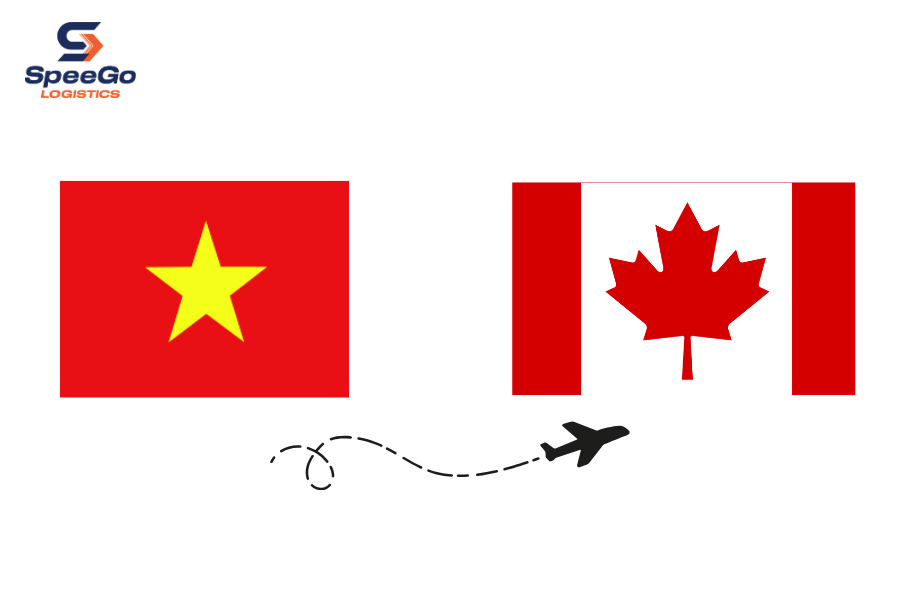
Vietnam has become one of Canada’s key trade partners in Southeast Asia, particularly following the implementation of the Comprehensive and Progressive Agreement for Trans-Pacific Partnership (CPTPP). For Canadian importers, working directly with Vietnam suppliers offers competitive production costs, flexible OEM and ODM capabilities, and growing compliance with international export standards.
According to official trade information from the Government of Canada (Global Affairs Canada) and Trade Data Online, major Vietnamese exports to Canada include:
2.1. Electronics and Electrical Machinery
Electronics represent the largest export category from Vietnam to Canada. In 2023, exports of electrical machinery and equipment, including consumer electronics and components, reached approximately USD 1.72 billion according Government of Canada.
Why Canadian importers choose Vietnam suppliers in this sector:
Vietnam has developed into a major global electronics manufacturing hub, hosting production facilities for multinational corporations and tier-one suppliers. This industrial ecosystem supports large-scale manufacturing, standardized quality control systems, and compliance with international technical standards. For Canadian importers, this translates into stable supply capacity, competitive production costs, and access to experienced OEM manufacturing partners.
2.2. Textiles and Garments:
Textiles and apparel remain one of Vietnam’s strongest export industries. In 2024, garment exports to Canada were reported at approximately USD 1.2 billion, accounting for a significant share of Vietnam’s total exports to the Canadian market.
Competitive advantages:
Vietnam’s garment industry benefits from an extensive supplier network, skilled labor force, and export-oriented production lines. Many factories are accustomed to working with international brands and can accommodate private-label production, flexible minimum order quantities, and customized designs. For Canadian retailers and brand owners, Vietnam suppliers offer a balance between cost efficiency and production scalability.
2.3. Footwear
Footwear exports to Canada reached approximately USD 900 million in 2025, according to Vietnamese customs-based trade reporting. Industry analyses also indicate that Vietnam’s market share in certain footwear categories in Canada increased following the implementation of the CPTPP.
Why Vietnam is competitive in footwear:
Vietnam is one of the world’s largest footwear producers, with established supply chains for materials, assembly, and finishing. Many factories operate under international compliance frameworks and are experienced in producing for global brands. For Canadian importers, this ensures product consistency, reliable delivery timelines, and the possibility of OEM/ODM collaboration.
2.4. Wooden Furniture
Furniture export continues to be one of Vietnam’s most stable and high-performing export segments. In 2023, Vietnam exported approximately USD 261.6 million worth of furniture and wood-related products to Canada.
Strategic advantages:
For Canadian importers, Vietnam’s Furniture export industry offers several competitive advantages. Suppliers offer a wide range of ready-to-assemble furniture and customized designs suitable for residential and commercial markets. Competitive labor costs, combined with increasing automation in manufacturing, help maintain attractive pricing for business.

2.5. Seafood
Seafood, including shrimp and pangasius (basa fish), continues to be a notable export segment. While category-specific figures vary by year, seafood is consistently identified among Vietnam’s key export groups to Canada in official trade reporting.
Why Canadian buyers source seafood from Vietnam:
Vietnam has built a strong reputation in aquaculture and seafood processing, with many exporters complying with international food safety standards required by importing countries. For Canadian distributors and food service suppliers, Vietnam offers competitive pricing, consistent supply volumes, and experience in meeting import inspection requirements.
2.6. Handicrafts and Home Decor
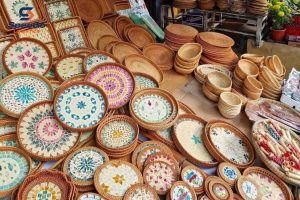
Although smaller in total export value compared to electronics or garments, handicrafts and home decor exports remain strategically important niche segments in Vietnam’s trade portfolio. These include rattan, bamboo, ceramics, woven textiles, and handcrafted decorative items that serve both wholesale and private label home decor export markets.
Competitive strengths:
Vietnam’s handicrafts export industry blends long-standing artisanal traditions with modern, export-oriented production systems. Many suppliers operate within established craft villages while adapting to international quality and packaging standards.
3. Items Banned From Exporting in Canada
Although Canada maintains relatively open import policies with many trading partners, the government enforces a number of universal export and import prohibitions that apply globally. Below is a revised overview of goods that are either banned or strictly controlled.
- Infant baby walkers: Prohibited because of documented safety risks and injury hazards to children.
- Relight (magic) candles: Banned due to their potential to reignite unexpectedly and cause fire accidents.
- Self-feeding devices for infants: Restricted because they present serious choking risks.
- Long-string yo-yos (approximately 20 inches or more): Considered dangerous due to strangulation hazards.
- Balloon inflators containing toxic substances: Certain types may pose long-term health risks.
- Jequirity (abrus) beans: The seeds are highly toxic and potentially fatal if ingested.
- Firearms, explosives, and specific ammunition types: Subject to strict prohibition unless authorized under Canadian law.
- Narcotics and unapproved pharmaceutical substances: Drugs not authorized by Health Canada are not permitted.
- Fresh fruits and vegetables: Restricted in many cases to prevent the introduction of pests or invasive species.
- Counterfeit or pirated goods: Intellectual property violations are strictly prohibited.
- Endangered species and products derived from them: Including items made from protected wildlife materials.
- Hazardous substances: Corrosive chemicals, oxidizing agents, and nuclear materials are banned.
Additional restricted items include chain letters, hate propaganda, obscene materials, prison-manufactured goods, certain used agricultural equipment (e.g., beekeeping apparatus), margarine, gold bullion, metallic labels, poisonous substances, and specific contraceptive devices.
It is important to note that regulations may change over time, and businesses should verify requirements with official Canadian authorities before shipment.
4. Restricted Goods Requiring Special Authorization
Beyond outright prohibitions, several categories require permits, certifications, or additional documentation prior to entry into Canada.
4.1. Food Products
Items such as nuts, grains, seeds, fresh produce, and dried food products are regulated under Canada’s Automated Import Reference System (AIRS). Exporters must provide product classification codes, country of origin, port of entry and required documentation as specified by Canadian authorities. Consulting the National Import Service Centre is strongly recommended to ensure compliance and avoid shipment delays.
4.2. Firearms and Controlled Weapons
Certain firearms may be imported under restricted conditions. Required documentation typically includes:
- Possession and Acquisition Licence (PAL).
- Canadian Firearm Registration Certificate or RCMP Form 5589.
- Authorization to Transport.
- Applicable administrative fee (approximately CAN$25.00).
Restricted firearms generally include:
- Most handguns.
- Semi-automatic rifles and shotguns with barrel lengths between 105 mm and 470 mm.
- Firearms capable of being shortened to under 660 mm in total length.
4.3. Motor Vehicles
Vehicle imports are overseen by the Registrar of Imported Vehicles (RIV). Importers must:
- Collect detailed vehicle specifications.
- Determine the intended port of entry.
- Confirm admissibility requirements with the Canada Border Services Agency (CBSA).
This process ensures that the vehicle meets Canadian safety standards and clarifies applicable duties and taxes.
5. How Do You Export From Vietnam to Canada ?
Exporting goods from Vietnam to Canada involves more than simply booking freight. A successful process requires supplier verification, production control, compliance documentation, customs clearance, and reliable international transportation. For businesses targeting shipping to Canada, a structured supply chain approach significantly reduces risk and unexpected costs.
5.1. Step 1: Identify and Verify Qualified Suppliers in Vietnam
The foundation of Shipping From Vietnam to Canada starts with selecting the right manufacturer. Businesses must evaluate:
- Production capacity and scalability.
- Quality control standards.
- Export experience.
- Compliance with Canadian regulations (labeling, safety, certification where applicable).
This is where SpeeGo Logistics creates a strong competitive advantage. Instead of working with fragmented intermediaries, SpeeGo supports clients in finding verified suppliers in Vietnam, conducting factory assessments, and aligning production standards with Canadian market requirements.
5.2. Production Management and Quality Control
Once a supplier is selected, managing production timelines and quality checks becomes critical. Delays or defects at this stage directly impact delivery schedules and inventory planning in Canada.
A professional export process includes:
- Pre-production sample approval.
- In-line inspections during manufacturing.
- Final pre-shipment inspections.
- Compliance document verification.
SpeeGo supports businesses by overseeing production milestones and coordinating quality control to ensure goods are ready for international shipment without costly last-minute corrections.
5.3. Step 3: Prepare Export Documentation
Proper documentation is essential for smooth customs clearance when shipping to Canada. Common export documents include:
- Commercial Invoice.
- Packing List.
- Bill of Lading or Air Waybill.
- Certificate of Origin (if required for tariff preferences under CPTPP).
- Product-specific certifications (depending on the category).
Incomplete or inaccurate paperwork can lead to border delays, inspections, or additional storage charges. SpeeGo assists clients in preparing and reviewing export documentation to minimize compliance risks.
5.4. Choose the Right Freight Solution
Depending on cargo volume, urgency, and budget, businesses may choose:
- Sea freight (FCL or LCL) for cost efficiency.
- Air freight for faster delivery.
- Multimodal solutions for optimized transit time and cost.
For companies scaling operations, cost control is a key factor in Shipping From Vietnam to Canada. Freight rates, fuel surcharges, peak season adjustments, and port handling fees must all be carefully calculated. SpeeGo’s integrated logistics model allows businesses to optimize freight routes, consolidate shipments, and control total landed cost more effectively.
6. Why Businesses Choose SpeeGo for Shipping to Canada?
Many logistics providers focus only on transportation. However, international trade success depends on the entire supply chain from factory selection to final delivery.
SpeeGo’s strengths include:
- Supplier sourcing support in Vietnam.
- End-to-end supply chain management.
- Integrated freight coordination.
- Cost optimization strategies.
- Centralized communication from factory to Canadian warehouse.
For businesses seeking reliable Shipping From Vietnam to Canada, SpeeGo provides a streamlined, cost-efficient, and transparent solution helping importers reduce operational complexity while maintaining control over quality, timelines, and logistics expenses.