

If you are planning to import from China to Australia, choosing the right products is the most critical factor for success. Not all products are profitable, and selecting the wrong category can lead to high costs, slow sales, and compliance issues.
This guide will help you identify the best products to import from China, based on real market demand, profit margins, logistics feasibility, and Australian import regulations.
1. How to Choose the Right Products When You Import from China to Australia?
Before jumping into any product list, successful importers take time to evaluate what actually works in Australia. Choosing the right products is not about guessing trends. It is about aligning market demand, cost structure, and compliance requirements. This step plays a critical role in building a profitable and sustainable import business.
1.1. Understand Local Demand in Australia
Australian consumers have distinct preferences shaped by lifestyle, climate, and purchasing power. Products that perform well often fall into categories such as home improvement, outdoor living, fitness, and eco-friendly goods.
To validate demand, you can:
- Analyse marketplaces like Amazon Australia and eBay.
- Use Google Trends to identify rising product interest.
- Observe seasonal buying patterns (e.g., summer outdoor products).
Key insight: A product that sells well globally may not always succeed in Australia without local demand.
1.2. Evaluate Profit Margins with Landed Cost in Mind
Many businesses make the mistake of focusing only on supplier pricing. In reality, your profit depends on the total landed cost, which includes:
- Product cost from China.
- Shipping and freight charges.
- Import duties and GST (10%).
- Customs clearance and handling fees.
1.3. Consider Shipping Feasibility and Logistics
Not every product is equally practical for international shipping, so it’s important to evaluate logistics early when planning to import from China. Factors such as size, weight, and fragility can directly impact both shipping costs and the risk of damage during transit. In addition, you should think about how easily your shipment can scale in volume, especially if you plan to move from LCL (less than container load) to FCL (full container load) as your business grows.
1.4. Check Compliance and Import Regulations
Australia has strict import standards, especially for safety, labeling, and biosecurity. Certain product categories require additional checks or certifications.
- Whether the product is restricted or regulated.
- Required documentation and labeling standards.
- Biosecurity risks (especially for wood, organic materials, or food-related items).
Failure to meet these requirements can lead to shipment delays or rejection at the border.
2. Top 5 High-Demand Products to Import from China to Australia
When you import from China, selecting the right product category can determine your success. Below are some of the most profitable and high-demand products based on Australian market trends and import feasibility.
2.1. Eco-Friendly & Sustainable Products
Eco-friendly products are one of the most practical categories to import from China, especially for businesses targeting environmentally conscious consumers in Australia. Sustainability has moved beyond being a niche preference in Australia and is now a key factor influencing everyday purchasing decisions. Research from Monash Business School indicates that around 46% of Australian consumers actively consider sustainability when buying products. In addition, approximately 42% are willing to pay a premium for environmentally responsible options. Also there are up to 69% expressing interest in increasing their purchases of sustainable products in the future (ecovoice, 2024). These figures highlight a clear and measurable demand that this is not a passing trend, but a long-term shift in consumer behavior.
Product categories that align well with this demand include:
- Reusable kitchen items such as silicone storage bags and beeswax wraps.
- Bamboo-based products like toothbrushes and utensils.
- Eco-friendly cleaning tools.
- Refillable containers.
- Sustainable packaging materials.
These products are not only practical but also fit seamlessly into the daily routines of environmentally conscious consumers. Australian consumers tend to evaluate eco-friendly products based on tangible and visible factors rather than marketing claims alone. Packaging, in many cases, carries equal weight to the product itself, and vague claims like “eco-friendly” are no longer enough unless they are supported by verifiable details.
Logistics Considerations
Eco-friendly products are often one of the most efficient categories when importing from China to Australia. Most of these items are lightweight, compact, and easy to stack, which helps reduce shipping costs per unit, especially during the initial phase when businesses rely on LCL shipments to test the market. Also, products made from natural materials such as bamboo or wood may require additional documentation, including fumigation certificates or proof of treatment. Without proper preparation, shipments can face delays, extra inspection fees, or even rejection at the border.
Risk Level
Overall, eco-friendly products are considered a relatively low-risk category. Demand is stable and not heavily dependent on short-term trends, suppliers are widely available, and product structures are generally simple.
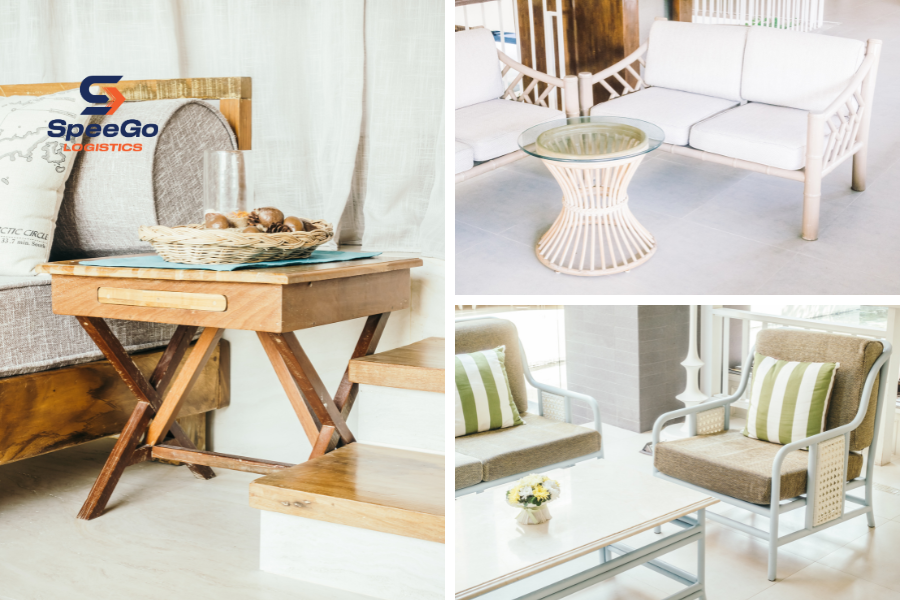
2.2. Home & Living Products (Furniture, Decor)
The home and living sector is one of the most stable and demand-driven markets in Australia, making it highly attractive for businesses looking to import from China. With over 11 million residential dwellings across Australia, the need for furnishing and decoration is continuous (imarcgroup, 2025). At the same time, consumers, especially in urban areas, are increasingly investing in personalized, aesthetic living spaces. This creates consistent opportunities for businesses entering the market through import furniture or curated import decor collections.
Profit Margin
One of the reasons many businesses choose to import furniture from China into Australia is the strong margin potential. Unlike fast-moving consumer goods, furniture is typically a margin-driven category. Market insights show that retailers in Australia commonly apply markups of two to three times the landed cost.
For example, a sofa imported at a landed cost of around $1,000 can retail between $2,500 and $4,000 or more. Similarly, dining sets or bedroom furniture often achieve margins in the range of 30% to 70% after all costs are included.
This pricing dynamic exists for several reasons. Australia has relatively high operating costs, including rent and labor, while local manufacturing remains limited. At the same time, consumers are willing to pay for convenience, design, and ready-to-use products. As a result, furniture is best understood as a margin-driven category rather than a volume-driven category.
Logistics Considerations
While the opportunity is attractive, logistics is where many businesses struggle, especially when trying to import furniture from China to Australia without proper planning. Items is bulky, heavy, and relatively low in value per cubic meter, which makes shipping furniture efficiency critical. In most cases, Full Container Load (FCL) shipping is not just an option but it’s the foundation of a viable business model.
Risk Level
Australia’s strict biosecurity regulations also add another layer of complexity. Products made from wood or natural materials often require ISPM-15 certification, fumigation, or inspection upon arrival. These processes can cost between $200 and $800 per container, and non-compliance may result in delays, additional fees, or even shipment rejection.
Finally, furniture requires more planning after arrival. Unlike small products, it demands warehouse space, specialized handling, and last-mile delivery solutions. These factors impact cash flow, inventory management, and overall operational efficiency, especially for businesses scaling their import home decor or furniture operations.
2.3. Beauty & Personal Care Products
Market data indicates that the Australian cosmetics market is expected to reach around USD 8.8 billion by 2025, while the broader beauty and personal care sector was valued at approximately AUD 11.2 billion in 2023 (imarcgroup, 2025). Skincare alone contributes AUD 3.1 billion, accounting for nearly 28% of the total market (Chandrasekaran, 2026). In addition, the cosmetics wholesaling segment has grown to about AUD 10.9 billion, reflecting strong demand not only from consumers but also from retailers and distributors.
Purchasing decisions are no longer based solely on price or branding, but also on product quality, ingredient transparency, and overall lifestyle alignment. Studies from Gustafsson (2026) show that around 42% of consumers prefer natural or organic products, while more than 60% actively look for clear ingredient disclosure. At the same time, e-commerce plays a growing role, with approximately 28% of beauty sales happening online.
Profit Margin
Profitability in beauty and personal care does not primarily come from low sourcing costs but it comes from branding and positioning. The typical value chain starts with relatively low manufacturing costs in China, especially for OEM or private-label skincare. Consumers are willing to pay more for products that are positioned as high-quality, safe, or aligned with specific lifestyle values.
Logistics Considerations
Beauty products are relatively efficient to ship, especially in the early stages. Their small size, light weight, and high value per unit make them ideal for LCL. However, cosmetics are also more sensitive than many other product categories. Items such as creams, serums, and liquid products may require temperature control, leak-proof packaging, and careful handling
Risk Level
The beauty and personal care category offers strong profit potential, but it also comes with a higher level of risk. Key challenges include Australia Cosmetics regulatory requirements, intense competition, and the need for strong branding. Common risks include non-compliant ingredients, incorrect labeling, overestimating demand, and weak product positioning.
2.4. Smart Gadgets & Accessories
The smart gadgets and accessories segment has become one of the fastest-moving categories for businesses that import from China to Australia. Australia’s consumer electronics market is projected to reach approximately USD 47.4 billion by 2025, while online electronics sales alone are expected to generate around AUD 4.5 billion.
mobile accessories stand out as a high-demand subcategory, reaching around USD 1.88 billion in 2024. Products such as chargers, cables, cases, and wireless earbuds continue to grow quickly, especially as consumers upgrade devices more frequently. Smartphones remain the dominant segment, but demand is expanding into smart home devices, wireless tech, and connected accessories.
Profit Margin
The profit structure in this category is quite different from others. Instead of relying on high margins per unit, electronics accessories typically operate on a high turnover model. Manufacturing costs in China remain relatively low, while retail pricing is influenced by branding, packaging, and convenience.
Logistics Considerations
Smart gadgets and accessories are lightweight, compact, and high in value relative to their size. This makes them ideal for LCL (Less than Container Load) shipments. Also, smaller accessories such as cables or cases generally have a low risk of physical damage during transport. However, electronics still require proper packaging, including anti-static protection and moisture control, particularly for sensitive components.
Risk Level
If you import from China in the electronics category, it is important to consider certification requirements and battery regulations. Depending on the product, items may need to meet electrical safety standards, certification requirements, or battery regulations. This is especially important for products like power banks, wireless devices, or any item connected to a power source.
Electronics accessories are highly competitive. Many sellers offer similar products, and price comparison is extremely easy through platforms like Amazon or eBay. In addition, the presence of low-cost or counterfeit alternatives increases pressure on pricing. Successful businesses tend to differentiate through branding, bundled products, improved quality, or better customer experience. Without a clear strategy, it becomes difficult to maintain margins in such a crowded market.
2.5. Pet Accessories
More than 73% of Australian households own at least one pet, with the total pet population exceeding 30 million. Annual spending has reached approximately AUD 21.3 billion, and around AUD 1.4 billion of that is spent specifically on pet products and accessories. On average, Australians spend roughly AUD 3,300 per year on dogs and about AUD 2,100 on cats. This level of ongoing expenditure reflects a strong willingness to invest in pet comfort, health, and overall lifestyle, creating a consistent revenue base for importers.
Over the past few years, pet-related spending has grown by around 35%, with a noticeable shift toward premium and lifestyle-oriented products. This includes toys, bedding, grooming tools, and even tech-enabled devices. Seasonal spending also plays a role, with many owners purchasing gifts or upgrades during holidays. This combination of emotional buying and repeat purchases creates a strong foundation for sustainable margins.
Profit Margin
Accessories such as pet beds, carriers, collars, and leashes are among the most common imports. These products are relatively inexpensive to manufacture in China but can be sold at a significantly higher price point in Australia, especially when paired with thoughtful design or branding.
Risk Level
Compared to other categories, importing pet accessories from China generally involves fewer regulatory barriers, making it suitable for beginners. Most pet accessories face fewer biosecurity restrictions when entering Australia. However, there are still exceptions like products made from untreated wood or natural fibers may require inspection or certification.
3. Top Products You Should Avoid Importing to Australia
Not every product is suitable when you import from China to Australia. Some goods are restricted, heavily regulated, or completely prohibited, and attempting to import them without proper preparation can lead to delays, fines, or even confiscation.
- Products made from untreated wood or natural materials: Australia has strict biosecurity laws to prevent pests and diseases entering the country. Goods made from natural materials may carry insects, fungi, or contaminants.
- Food, supplements, and organic products (packaged food items, herbal supplements, animal-based products): Food imports are tightly controlled due to health and biosecurity risks. If you want to import to Australia, then you must have ingredient approval, import permits (in many cases) and strict labeling compliance from government agencies.
- Cosmetics without compliance documentation: Cosmetics must comply with safety and ingredient standards regulated by Australian Industrial Chemicals Introduction Scheme (AICIS).
- Electronics with lithium batteries (power banks, wireless earbuds, smart devices with built-in batteries): Lithium batteries are classified as dangerous goods for transport and require strict compliance.
- Counterfeit or trademark-infringing goods (fake branded clothing, replica electronics, unauthorized logo products): Australia enforces strict intellectual property laws through Australian Border Force.
- Therapeutic Goods (Medical Claims Products): These products fall under the regulation of the Therapeutic Goods Administration to approval.
Choosing the right product is only half the journey getting it into Australia efficiently is what makes the difference.
Partner with SpeeGo Logistics to handle sourcing, shipping, and customs clearance from China to Australia.
Frequently Asked Questions (FAQ)
- What is the biggest hidden cost when importing products into Australia?
These costs can increase total expenses by 10 – 30% if not planned properly.
- Port handling & terminal fees
- Biosecurity inspection charges
- Storage/demurrage if delayed
- Re-labeling due to non-compliance
- Should I choose trendy products or stable products?
Both have advantages:
- Trending products: Fast profit and high risk (short lifecycle).
- Stable products: Lower risk and slower growth but sustainable.
The best strategy is to combine 1 – 2 trending products and core stable products.
- How long should I test a product before scaling?
A realistic testing period around 2 – 6 weeks (online sales).
- What is the fastest way to fail when importing from China?
Top common mistakes are:
- Ordering too much inventory too early
- Ignoring logistics cost
- Choosing products based only on low price
- Not checking compliance