

Importing cosmetics into Australia requires more than just sourcing products or building a brand. Businesses must understand strict regulatory frameworks covering ingredients, labeling, and chemical compliance.
This guide explains how to import cosmetics into Australia in compliance with regulations, covering regulatory authorities, labeling requirements, and compliance steps.
1. Key Authorities Regulating Cosmetics in Australia
Unlike some markets where a single agency oversees cosmetic products, Australia relies on several government bodies, each responsible for different aspects of product safety, transparency, and consumer protection.
1.1. AICIS (Australian Industrial Chemicals Introduction Scheme)
Importers are generally expected to verify whether the ingredients appear on the Australian Inventory of Industrial Chemicals and whether their use complies with specific concentration limits or regulatory conditions. In many cases, businesses importing cosmetic products must also register their operations with AICIS before bringing products into the Australian market.
Completing AICIS registration for cosmetics businesses is a mandatory step for companies planning to import products containing industrial chemicals into Australia. The role of AICIS is not to approve individual cosmetic products, but rather to manage the chemicals used within those products. This means that businesses need to carefully review their product ingredient lists, verify whether these substances are included in the Australian Inventory of Industrial Chemicals, and ensure they comply with the prescribed usage conditions or concentration limits. However, registration with AICIS is not required for individual cosmetic products but only for business.
1.2. ACCC (Australian Competition & Consumer Commission)
While AICIS focuses on chemical safety, the Australian Competition and Consumer Commission (ACCC) is responsible for protecting consumers and ensuring fair business practices in the marketplace. When importing cosmetics to Australia, ACCC regulations are particularly relevant when it comes to product labeling, marketing claims, and consumer transparency. Beyond labeling, ACCC also monitors advertising practices. Cosmetic brands must ensure that their marketing messages do not exaggerate product performance or mislead consumers about the benefits of a product.
1.3. TGA (Therapeutic Goods Administration)
Another authority that companies must be aware of when planning to import cosmetics is the Therapeutic Goods Administration (TGA). This agency regulates products that claim to treat, prevent, or diagnose medical conditions. The distinction between cosmetics and therapeutic goods can sometimes be subtle but extremely important. A product may be considered a cosmetic if it simply enhances appearance, for example by moisturizing the skin or improving its texture. However, if the product claims to perform medical or therapeutic functions, such as treating acne, healing skin conditions or repairing damaged skin tissue, it may fall under the classification of a therapeutic good.
1.4. Australian Customs and Border Protection Service
Australian Customs and Border Protection Service acts as the country’s frontline authority responsible for ensuring that imported goods comply with national laws before entering the domestic market. This authority plays a crucial role in verifying that shipments meet the relevant Australia cosmetics regulations. During the import process, customs officials ensure that cosmetic products do not violate requirements established by regulatory bodies such as the Therapeutic Goods Administration (TGA) or the Australian Industrial Chemicals Introduction Scheme (AICIS).
1.5. State and Territory Health Departments
Beyond federal regulators, Australia’s State and Territory Health Departments also play an important role in overseeing cosmetic products once they are available on the market. While federal agencies focus on regulatory frameworks and import compliance, state health authorities are primarily responsible for monitoring product safety at the local level. They handle consumer complaints, investigate potential safety issues, and conduct inspections when necessary.
2. Cosmetic Labelling Requirements in Australia
To meet cosmetics compliance in Australia, certain requirements must be followed when preparing product labels. Cosmetic labeling in Australia plays a critical role in ensuring compliance with consumer protection laws and avoiding misleading product information.
2.1. Mandatory Label Information
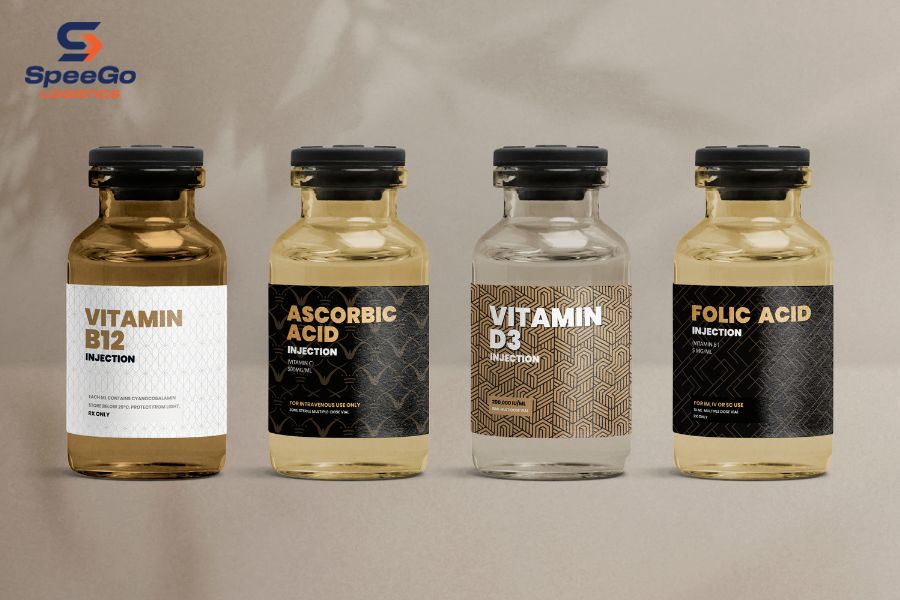
According to the cosmetic import requirements Australia enforces, cosmetic products sold in the country must provide several key pieces of information on their packaging. These details help consumers understand the product they are purchasing and allow regulators to trace the responsible supplier if needed.
- Product name: The product name should clearly reflect the nature and function of the product. For instance, a moisturizing skincare product should be identified as a cream or lotion rather than relying solely on creative brand names that may confuse consumers.
- Ingredient List (INCI): Your cosmetics ingredients must follow INCI (International Nomenclature of Cosmetic Ingredients). This globally naming system ensures consistency across international markets.
- Imported or Responsible Supplier Details: The label must display the name and address of the Australian business responsible for supplying the product locally. This requirement ensures accountability within the supply chain and provides a point of contact for regulators or consumers if concerns arise.
2.2. Claims and Marketing Statements
Another critical consideration when designing cosmetic labels involves the way product claims are presented. In Australia, regulators carefully monitor marketing statements to ensure that cosmetics products are not presented as medical treatments. Words or phrases suggesting therapeutic effects may cause the product to be classified as a therapeutic good rather than a cosmetic.
Below are some examples of generally permissible and prohibited cosmetic claims.
| Legal Claims | Illegal Claims |
| Moisturizes dry skin | Repairs sun-damaged skin |
| Give a glowing skin | Kills bacteria causing acne |
| Hydrates the skin | Cure wrinkles |
| Reduces fine lines | Treats bacterial infection |
2.3. Language and Packaging Requirements
Australian regulations expect labels to be clear, legible, and easily understood by consumers. Important information on cosmetic packaging should be displayed in a readable format, avoid misleading or ambiguous wording and appear in a visible location on the packaging.
3. Cosmetic Product Testing When Import Australia
Australia is known for maintaining rigorous standards when it comes to consumer safety. Cosmetic products must comply with a range of Australia cosmetics regulations before they can be distributed commercially. Product testing helps confirm that formulations meet safety expectations, do not contain restricted substances, and remain stable and safe for consumer use.
There are several common tests required before importing cosmetics into Australia.
- Stability testing: It evaluates how a cosmetic product performs over time when exposed to different environmental conditions. The results help determine shelf life and appropriate storage conditions for the product.
- Patch test: Certain cosmetic products may undergo skin compatibility testing to ensure they are suitable for regular use. This type of test is especially relevant for products applied directly to the face or other sensitive areas of the skin.
- pH testing: It helps determine whether a cosmetic product is compatible with the natural acidity of human skin, which typically ranges from 4.5 to 5.5.
- Preservative Efficacy Test (PET): This test evaluates whether the preservative system in a cosmetic product can effectively control microbial growth.
- Microbiological testing: This test identifies the presence of harmful bacteria, yeast, or mold. It is particularly important for water-based cosmetics such as lotions, creams, and serums, where microbial contamination can occur more easily.
4. Cost to Import Cosmetics into Australia
Understanding the cost to import cosmetics is essential for planning your pricing strategy and managing profit margins. The total cost is not limited to product price or freight. It also includes compliance-related expenses such as AICIS registration, product testing, labeling adjustments, and customs duties.
- Product cost (FOB)
- Freight (sea or air)
- AICIS registration fees
- Product testing costs
- Customs duties and GST
5. Step-by-Step Process to Import Cosmetics into Australia
To successfully import cosmetics into Australia, businesses should follow a structured process to ensure compliance and avoid delays.
Step 1: Determine Product Classification
Identify whether your product is classified as a cosmetic or therapeutic good. This affects regulatory requirements.
Step 2: Verify Ingredients with AICIS
Check whether all ingredients are listed on the Australian Inventory of Industrial Chemicals and comply with usage limits.
Step 3: Register Your Business with AICIS
Businesses importing products containing industrial chemicals must complete AICIS registration.
Step 4: Prepare Compliant Labeling
Ensure labels include INCI ingredient names, supplier details, and accurate product descriptions.
Step 5: Conduct Product Testing
Perform stability, microbiological, and compatibility testing to ensure product safety.
Step 6: Arrange Shipping and Customs Clearance
Plan international shipping, prepare documentation, and ensure compliance at the border.
6. Shipping cosmetics to Australia
Shipping cosmetics to Australia requires careful coordination between compliance, packaging, and logistics planning. Unlike standard consumer goods, cosmetic products often involve liquid formulations, chemical ingredients, and strict labeling requirements, which can affect how shipments are handled during international transport.
- Shipping Method Selection: Cosmetics can be shipped via sea freight or air freight depending on urgency and shipment size. Air freight is commonly used for high-value or time-sensitive products, while sea freight is more cost-effective for bulk orders.
- Packaging and Handling: Proper packaging is essential to prevent leakage, contamination, or damage during transit. Liquid products should be securely sealed and packed in accordance with international transport standards.
- Dangerous Goods Classification: Some cosmetic products containing alcohol or certain chemical ingredients may be classified as dangerous goods. In such cases, additional documentation and specialized handling procedures are required.
- Temperature Control: Certain cosmetics, such as creams or organic products, may be sensitive to temperature changes. Without proper handling, product quality can be affected during long transit times.
- Customs Clearance and Documentation: Accurate documentation is critical when shipping cosmetics to Australia. Customs authorities may inspect shipments to verify ingredient compliance, labeling, and regulatory requirements. Missing or incorrect paperwork can result in delays, additional costs, or shipment rejection.
Working with an experienced logistics partner helps businesses manage these complexities and ensure that cosmetic shipments are delivered safely, compliantly, and on time.
7. How a Sourcing & Logistics Partner Can Help?
Importing cosmetics involves more than simply purchasing products overseas. Businesses looking to import cosmetics from China or other international markets into Australia must ensure compliance, supplier reliability, and efficient logistics. SpeeGo Logistics supports companies throughout the entire sourcing and import process, helping businesses bring cosmetic products to market more efficiently and with fewer risks.
- Supplier Verification: SpeeGo Logistics helps verify suppliers by checking factory credentials, production capabilities, and business legitimacy, allowing importers to avoid unreliable vendors and reduce sourcing risks.
- Compliance Support: SpeeGo assists businesses in reviewing ingredient lists, documentation, and product information to ensure alignment with relevant cosmetic import requirements and local regulations.
- Quality Inspection: Our team arranges product inspections and quality checks at the factory, helping businesses confirm that cosmetic products meet agreed specifications before international shipment.
- International Shipping & Customs Support: SpeeGo Logistics manages the logistics process from origin to destination, supporting businesses with freight coordination, customs clearance, and import documentation.
Working with an experienced logistics provider helps ensure that cosmetic shipments meet all transportation and regulatory requirements. If you are sourcing products from Vietnam, you may also explore our guide on shipping from Vietnam to Australia to better understand logistics planning and cost optimization.
Request a free consultation to optimize your import process today in here.
Frequently Asked Questions (FAQ)
- How long does it take to register with AICIS?
Registering with the Australian Industrial Chemicals Introduction Scheme (AICIS) is typically a straightforward online process and can usually be completed within a few hours to one business day once the required information is prepared. However, businesses must ensure that all chemical ingredients used in the cosmetic product comply with AICIS requirements before importing cosmetics to Australia.
- Do imported cosmetics need to be tested before entering Australia?
Australia does not always require mandatory pre-market testing for every cosmetic product. However, companies that import cosmetics to Australia are responsible for ensuring that their products are safe for consumers.
- What ingredients are restricted in cosmetic products in Australia?
Cosmetic ingredients in Australia are regulated through the AICIS chemical inventory, which lists substances that may be restricted, prohibited, or subject to specific concentration limits.
- What is the best way for shipping cosmetics to Australia?
The best method depends on your shipment size, urgency, and product type. Air freight is ideal for fast delivery and high-value cosmetics, while sea freight is more cost-effective for bulk shipments. Businesses must also consider compliance, packaging, and customs requirements when planning shipments.