

AI in logistics is no longer just a concept discussed in technology circles. It is already transforming how businesses manage transportation, inventory, and supply chain decisions in real time.
1. What Does AI in Logistic Actually Mean?
At its core, ai in logistic refers to the use of artificial intelligence technologies to improve how goods are stored, transported, and delivered across the supply chain. While many businesses initially associate AI with automation, its real value goes much deeper, especially in data-driven decision-making.
Within platforms and ecosystems developed by companies like Amazon and DHL, AI is already used to process large volumes of operational data in real time. This includes shipment tracking, warehouse activity, customer demand patterns, and delivery performance.
AI in logistics is not limited to replacing manual tasks. Instead, it focuses on enhancing how decisions are made across the entire supply chain.
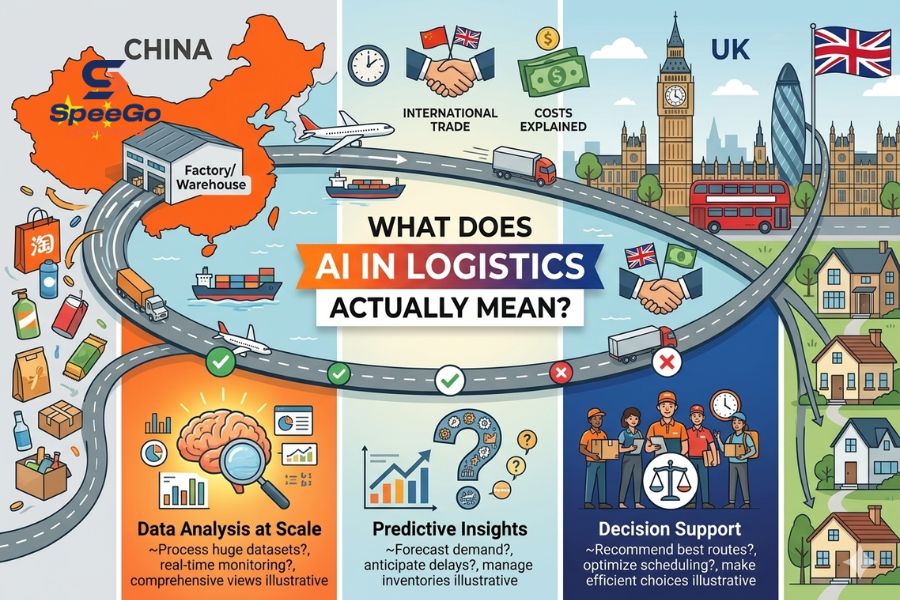
- Data Analysis at Scale: AI systems can analyze large datasets much faster than traditional tools. This allows businesses to identify patterns in shipping delays, inventory turnover, or seasonal demand.
- Predictive Insights: Instead of reacting to problems, AI enables companies to anticipate them. For example, it can forecast demand fluctuations or detect potential disruptions in supply routes.
- Decision Support: AI tools can recommend optimal actions, such as selecting the most efficient delivery route or adjusting inventory levels based on real-time demand.
These capabilities shift logistics from a reactive process to a more proactive and strategic function.
2. Key Applications of AI in Logistics and Supply Chain
The growing adoption of ai in logistics and supply chain is driven by its ability to solve real operational challenges. Rather than being a theoretical concept, AI is already embedded in daily logistics activities, from planning and forecasting to delivery execution. Companies such as DHL and UPS have integrated AI into multiple stages of their supply chain to improve efficiency and responsiveness.
2.1. Demand Forecasting and Planning
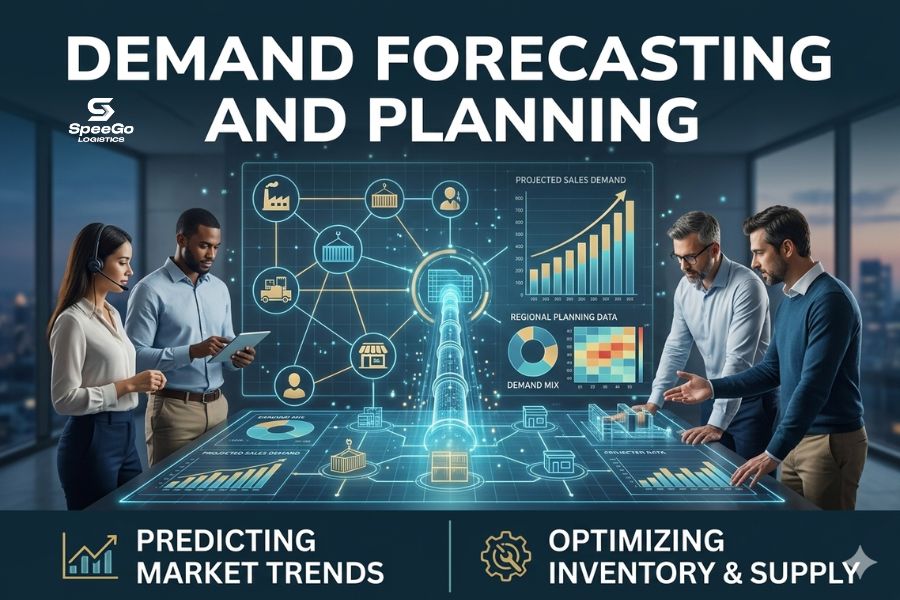
One of the most valuable uses of AI is predicting customer demand more accurately. AI systems analyze historical sales data, seasonal trends, and external factors (such as promotions or market shifts) to generate forecasts. This helps businesses avoid overstocking or understocking, plan procurement more effectively and align production with actual demand.
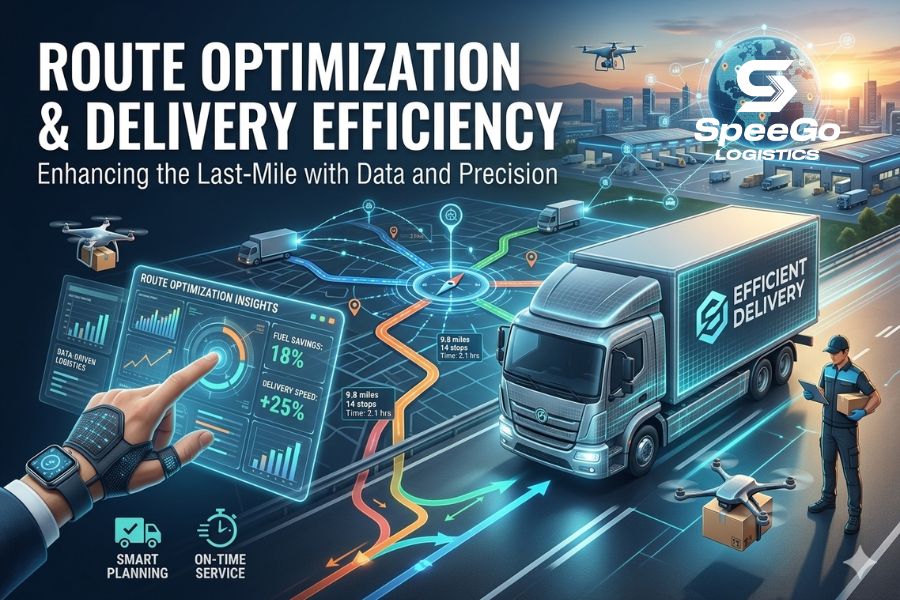
2.2. Route Optimization and Delivery Efficiency
AI plays a key role in optimizing delivery routes, especially for last-mile logistics. Instead of relying on fixed routes, AI systems process real-time data such as traffic conditions, weather, and delivery priorities. This enables faster delivery times, reduced fuel consumption and lower transportation costs. For example, logistics networks like those used by UPS apply advanced algorithms to continuously adjust routes and improve delivery efficiency.
SpeeGo Logistics offers end-to-end shipping solutions designed to improve delivery efficiency and cost control. It’s helping businesses manage international transportation, consolidate shipments, and optimize routes based on real operational conditions.
Partner with SpeeGo Logistics to turn route optimization into real results, from smarter shipping decisions to more efficient last-mile delivery.
2.3. Inventory Management and Warehouse Optimization
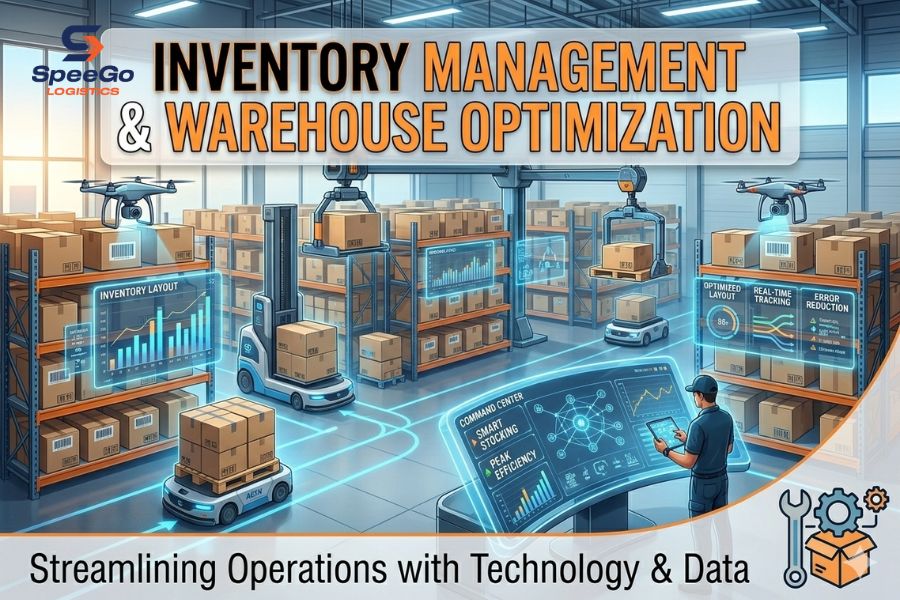
Managing inventory becomes more efficient with AI, especially for businesses handling multiple warehouses or high product turnover. By using predictive analytics, AI analyzes sales trends, historical data, and demand fluctuations to maintain optimal stock levels, reducing the risk of overstocking or shortages. It also improves order accuracy, speeds up fulfillment, and enables automated reordering when inventory falls below set thresholds.
According to Market.us, approximately 55% of logistics companies intend to adopt AI solutions for demand forecasting and inventory oversight by the end of 2024. AI offers comprehensive visibility of products throughout the supply chain, significantly reducing the reliance on manual tracking efforts.
2.4. Risk Detection and Supply Chain Visibility
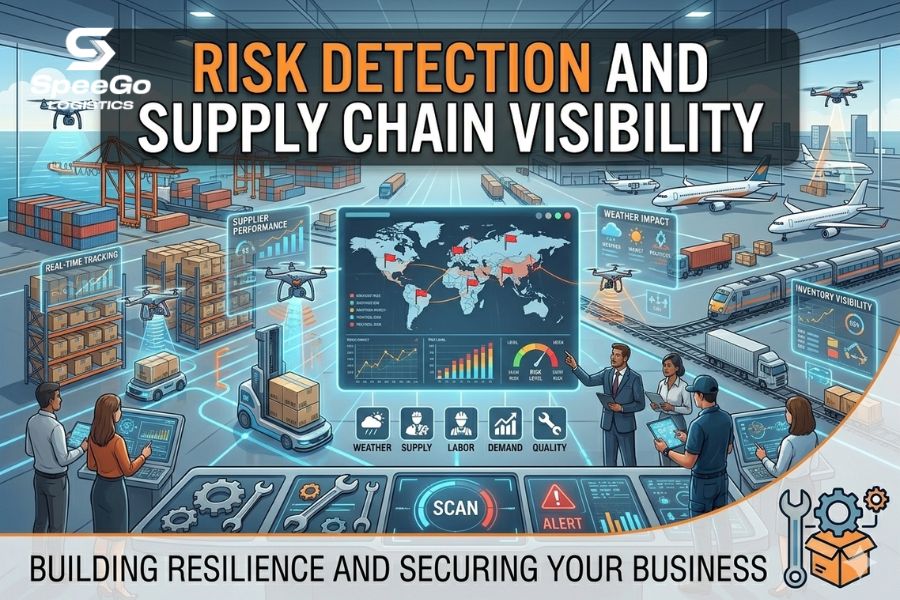
Utilizing real-time information and sophisticated algorithms, AI systems continuously oversee supply chain operations, spotting unusual patterns or deviations that may indicate looming problems. Incorporating AI into supply chain risk management enhances a company’s resilience and allows for proactive responses to emerging challenges.
From evaluating fleet performance and warehouse productivity to optimizing delivery routes and monitoring equipment condition, AI can detect early warning signs such as mechanical breakdowns or shipping delays before they develop into major issues. This enables logistics companies to implement prompt corrective measures, ensuring smooth operational flow.
2.5. Predictive Maintenance
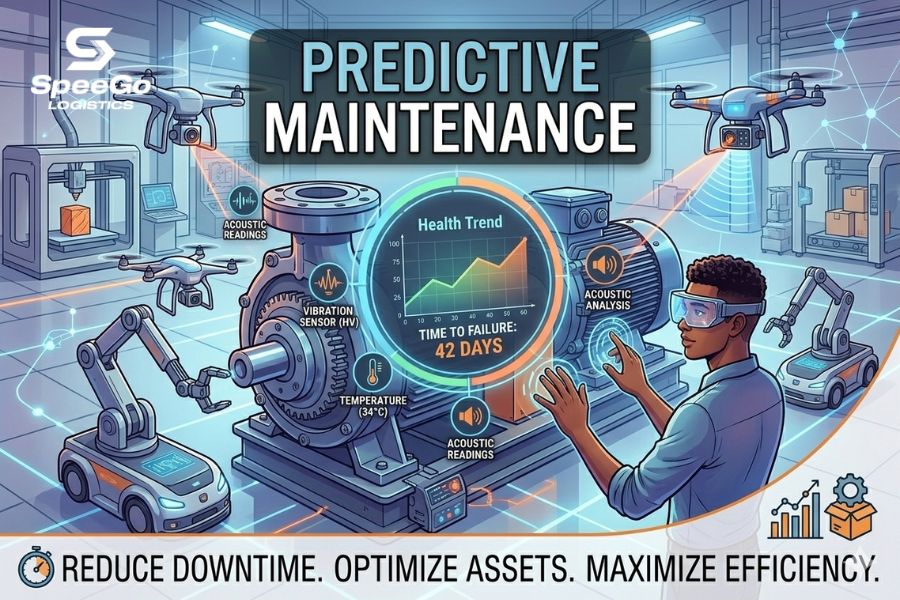
By examining real-time data collected from sensors on vehicles and machinery, AI identifies early indicators of wear, unusual vibrations, or declines in performance. These valuable insights allow maintenance teams to plan repairs proactively, preventing sudden breakdowns and expensive disruptions. Additionally, predictive models can estimate the timing and location of potential issues, facilitating more efficient allocation of resources and better maintenance scheduling.
2.6. Customer Service
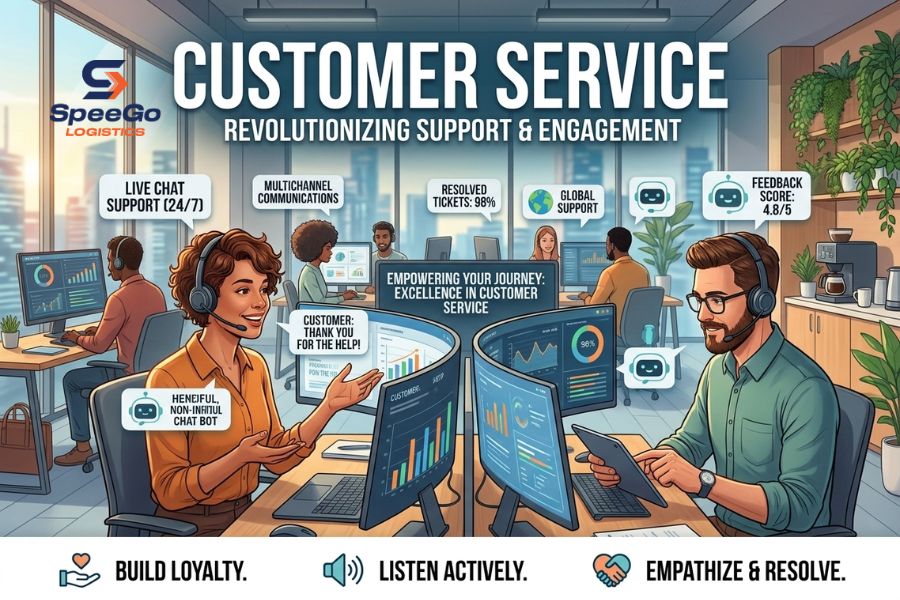
AI in logistics helps companies meet rising customer expectations by using intelligent chatbots for 24/7 support and automated tracking updates. These systems handle routine questions such as shipment status, delivery estimates, and return processes without human involvement, reducing response time and improving overall service efficiency.
Beyond basic support, AI also enables more personalized customer experiences. By analyzing user behavior and purchase history, it can recommend suitable delivery options or relevant products, helping businesses increase engagement and build long-term customer loyalty.
3. Challenges of Implementing AI in Logistics
While the potential of AI in logistics is widely recognized, implementation is often complex. Many businesses face practical challenges that slow adoption or limit ROI. Understanding these barriers is essential before investing in AI solutions.
- High Initial Investment Costs: AI requires significant spending on software, infrastructure, integration, and ongoing maintenance.
- Lack of Standardized and High-Quality Data: Data is often scattered across systems (ERP, WMS, TMS), making it difficult to unify and analyze.
- Integration with Legacy Systems: Outdated infrastructure can be difficult to connect with modern AI tools and may need customization.
- Shortage of Skilled Talent: There is high demand for AI specialists, while internal teams may lack the expertise to manage these systems.
- Unclear ROI and Business Alignment: Long timelines and unclear metrics can delay decisions, especially when teams are not aligned.
- Change Management and Organizational Resistance: Employees may resist new systems, and poor internal alignment can slow adoption.
The challenges of AI in logistics are not purely technical. They involve cost, data quality, system integration, and organizational readiness.
4. Real-World Examples of Ai in logistics
Understanding ai in logistic becomes much clearer when looking at how leading companies apply it in real operations. Across the global supply chain, major logistics providers are using AI not just as a support tool, but as a core part of their strategy to improve efficiency, accuracy, and customer experience.
4.1. Amazon
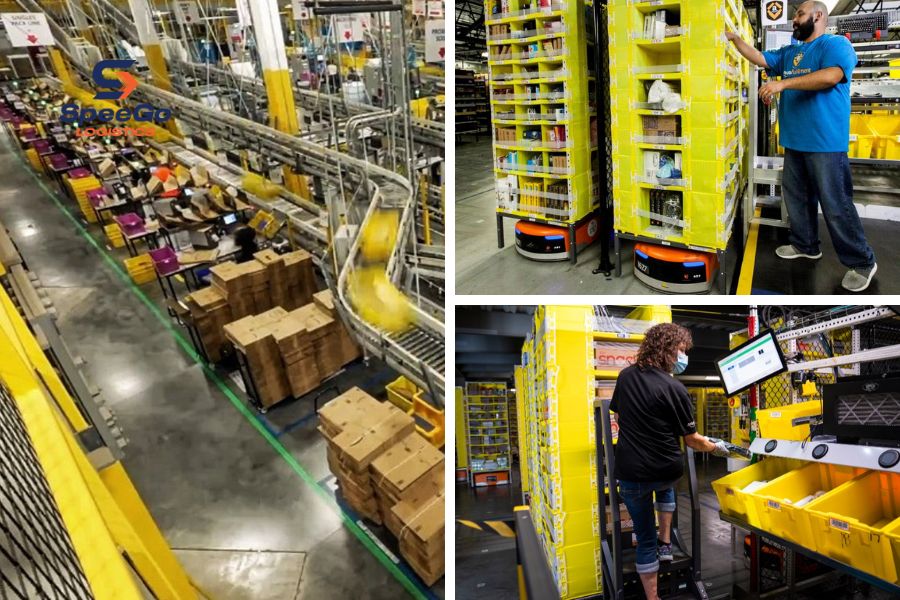
Warehouse operations are another area where AI is widely applied. Amazon uses AI-driven robotics and machine learning systems in its fulfillment centers to manage inventory, optimize storage locations, and speed up order processing. These systems can predict product demand, assign optimal storage positions, and guide robots to retrieve items more efficiently. Research and public case studies from Amazon show that automation has significantly improved order processing speed and reduced human error.
4.2. UPS
Companies like UPS have implemented AI-powered systems to optimize delivery routes in real time. Their well-known ORION (On-Road Integrated Optimization and Navigation) system analyzes traffic conditions, delivery constraints, and historical data to determine the most efficient routes for drivers.
4.3. Walmart
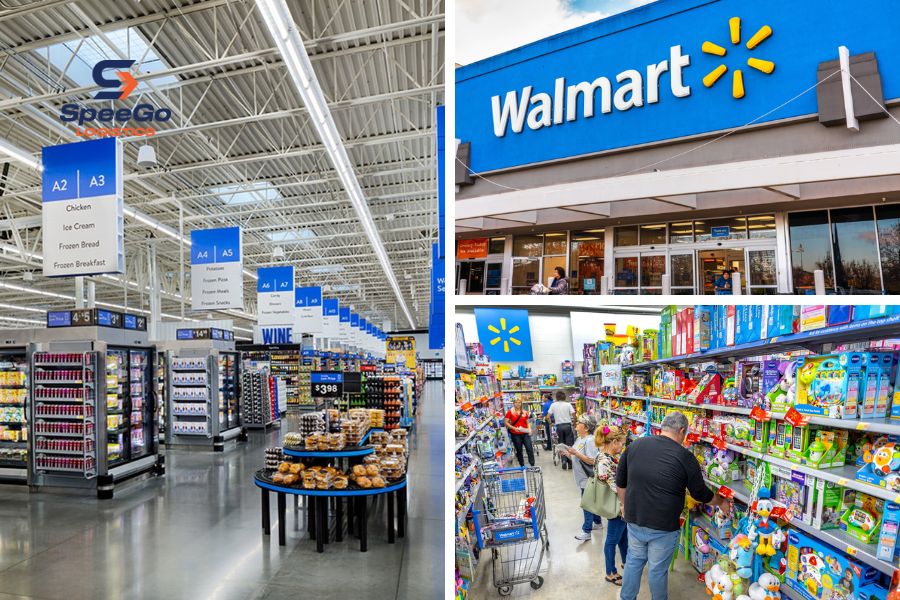
Retail and logistics companies are increasingly using AI to improve forecasting accuracy. Walmart applies machine learning models to analyze sales data, seasonal trends, and external factors such as weather patterns to predict demand more precisely.
Accurate forecasting allows businesses to reduce excess inventory while avoiding stock shortages. AI-driven forecasting supports better inventory allocation across distribution networks. This use case highlights how AI in logistics and supply chain improves planning and reduces inefficiencies.
5. Future Trends of AI in Logistics and Supply Chain Management
As global supply chains become increasingly complex, businesses are shifting from isolated AI applications to integrated ecosystems that combine data, technology, and real-time decision-making.
- Integration of AI with IoT for Real-Time Visibility: Sensors placed on vehicles, containers, and warehouse equipment continuously collect data such as location, temperature, and movement. AI systems then analyze this data in real time to provide actionable insights.
- Smart Warehousing: Smart warehouses use AI to manage inventory placement, optimize picking routes, and coordinate automated equipment.
- Advanced Predictive Analytics: In ai in logistics industry, businesses are using AI to forecast demand, anticipate supply chain disruptions, and optimize inventory planning.
- Sustainable and Green Logistics: AI can optimize transportation routes to reduce fuel consumption, improve load efficiency, and minimize waste in warehousing.
The future of ai in logistic lies in integration, intelligence, and real-time responsiveness. From IoT-connected systems and smart warehouses to predictive analytics and sustainable operations, AI is transforming how supply chains operate at every level.
Connect with SpeeGo Logistics to explore many ways to ship goods from Vietnam to worldwide.