


Vietnam offers a wide range of handmade lighting products that combine traditional craftsmanship with modern design, making them highly suitable for boutique brands, hospitality projects, and lifestyle retailers.
Many international businesses have started exploring handcrafted lamps as part of their home décor product collections. There’s just something about handmade lighting, maybe it’s the texture, maybe it’s the character, that you can’t really fake with factory-made pieces. That’s why these lamps are popping up everywhere, especially in boutique stores, cool hotels, and with indie lifestyle brands that want something different.
But as soon as businesses start planning to import handcrafted lamps from Vietnam, the questions pile up fast. Where do you even find trustworthy manufacturers? Which lamp styles actually get exported the most? Is dealing with customs in Vietnam a huge headache? Honestly, these worries make total sense. If you’ve never sourced anything from Southeast Asia, it’s a whole new world. As soon as you grasp how the local market works, what kinds of lamps are popular, and the basics of importing. You’ll save yourself a ton of guesswork and probably avoid a few rookie mistakes along the way.
In this article, we will explore why Vietnamese handcrafted lamps are gaining international attention, introduce several popular product types, and outline the basic steps businesses can take when they want to import handcrafted lamps from Vietnam efficiently and safely.
1. Why Are Vietnam Handcrafted Lamps Gaining Popularity?
1.1. Rising Demand for Natural and Handmade Home Decor
If you look at homes in the US, Canada, or Australia, you’ll notice a real shift. People crave more than just practical furniture. Consumers today want pieces with a story, something that feels personal and real. Materials such as bamboo, rattan, wood, and seagrass have become increasingly popular because they create a warm and organic atmosphere in modern living spaces. Handcrafted lamps made from these materials easily complement a wide range of interior styles, including bohemian, coastal, Scandinavian, and eco-conscious designs. As a result, home decor brands can integrate these lighting products into different collections without difficulty.
As a result, home decor brands can integrate these lighting products into different collections without difficulty. This growing demand has encouraged more international buyers to import handcrafted lamps as part of their sustainable home decor collections.
1.2 The Growth of the Handmade Home Decor Market
E-commerce really changed the game for handmade home decor. Retail platforms such as Etsy, independent Shopify stores, and boutique interior shops have made it easier for small brands to reach international customers.
A lot of decor brands are on the hunt for products that actually feel different. Nobody wants to get lost in a sea of the same old mass-produced stuff you see at big-box stores. That’s where handcrafted lamps come in. They don’t just light up a room, they bring their own personality and style, something you just can’t fake with factory-made pieces.
1.3 Handcrafted Lamps Offer Strong Product Differentiation
Handcrafted lamps stand out in ways that machine-made lighting never will. When you look at one, you see the artisan’s own touch in the design. Sometimes it’s the natural materials, sometimes it’s a quirky detail, but there’s always something unique where no two pieces are ever exactly alike.
For importers, this growing demand creates strong opportunities to import home decor from Vietnam and position handcrafted lighting products in mid-range to premium market segments.
2. Why Vietnam Handcrafted Lamps Specifically?
2.1. A Long Tradition of Craft Villages
One of the key reasons handcrafted lamps from Vietnam attract international buyers is the country’s long-standing craft village tradition. In many regions, families have been producing decorative items from bamboo, rattan, and wood for generations.
Artisans typically learn their skills within their local communities, allowing traditional techniques to be passed down over time. As a result, many workshops are capable of producing lamps with intricate woven structures and carefully shaped frames. Unlike large industrial factories, these small workshops often maintain a handcraft production approach, which makes it easier to adjust designs and production volumes based on customer needs.
2.2. Competitive Production Costs
Compared with other handicraft-producing countries such as Indonesia, the Philippines, and Thailand, Vietnam often offers competitive manufacturing costs. This advantage comes from a combination of factors, including relatively affordable labor, a wide network of small workshops, and steady access to natural materials.
2.3. Wide Range of Natural Materials
One of Vietnam’s greatest strengths in the handicraft and home decor industry is the wide variety of natural materials available throughout the country. Vietnamese artisans work with materials such as bamboo, rattan, seagrass, natural wood, and woven fabrics, each offering distinct textures, durability, and aesthetic appeal. These materials are not only abundant locally but have also been used for generations in traditional craft villages, where techniques are passed down from one artisan generation to the next.
These advantages make Vietnam a strategic sourcing destination for businesses planning to import from Vietnam with both cost efficiency and product differentiation.
3. Top Vietnam Handcrafted Lamp Style
Vietnam has long been known for its rich craft traditions and the skilled artisans who transform natural materials into functional pieces of art. In recent years, Vietnam handcrafted lamps have gained strong attention in international home decor markets thanks to their distinctive designs, eco-friendly materials, and handmade character. From woven bamboo lighting to elegant silk lanterns, these lamps combine traditional craftsmanship with modern interior trends.
Below are some of the most popular Vietnam handcrafted lamp styles that continue to attract global retailers, interior designers, and lifestyle brands.
3.1. Bamboo Pendant Lamps
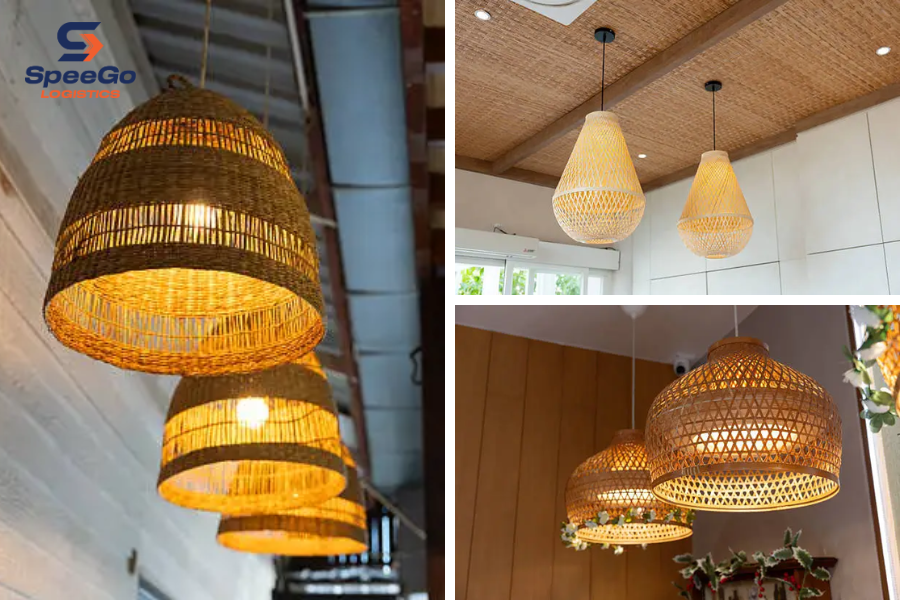
Bamboo pendant lamps are among the most recognizable handcrafted lighting products from Vietnam. Made from thin bamboo strips carefully woven into organic shapes, these lamps create warm lighting effects and natural shadows that enhance interior spaces.
Vietnamese artisans often design bamboo lamps in sculptural forms such as domes, cones, or layered spirals. Because bamboo is lightweight, durable, and renewable, these lamps are particularly popular in eco-conscious interior designs. Many cafes, boutique hotels, and restaurants worldwide use bamboo pendant lights to create a relaxing and nature-inspired atmosphere.
3.2. Woven Rattan Lamp
Among the many types of handcrafted lighting made in Vietnam, rattan woven lamps have a charm that is hard to overlook. With the skilled hands of artisans, flexible rattan fibers are intricately woven into layered patterns that exude both elegance and strength. Once illuminated, the lamp transforms into a masterpiece, as the light gently seeps through the intricate gaps, casting subtle shadows that infuse the space with an inviting warmth.
3.3. Ceramic Table Lamps
Vietnamese ceramics have a long tradition, with many craft villages where artisans have worked with clay for generations. In these communities, pottery is more than a simple trade when it is part of everyday culture. Alongside familiar products such as bowls, vases, and decorative pottery, ceramic table lamps have gradually become a notable item in Vietnam’s home decor export market.
What makes these lamps appealing is the handcrafted ceramic base. Each piece is shaped and finished by hand, then coated with glazing techniques that create unique textures, from delicate hand-painted patterns to crackle or matte finishes. Paired with linen or cotton lampshades, ceramic table lamps easily fit a variety of interior styles, offering a warm balance between traditional craftsmanship and modern home decor design.
For businesses already working with ceramic suppliers, expanding into ceramic table lamps can be a practical next step. Many importers who import ceramics from Vietnam often diversify their product range by adding lighting products, as they share similar materials, production techniques, and quality control standards.
3.4. Natural Seagrass Lamps
While rattan often brings a refined woven look, seagrass lamps offer something a little more grounded and organic. The material itself comes from coastal plants that are harvested, dried, and twisted into durable fibers. From there, artisans carefully weave or shape the fibers into lamp shades that feel simple, natural, and full of character. Vietnamese artisans typically produce seagrass lamps in several forms, including pendant lights, hanging decorative lamps, and large woven shades designed for dining areas. Each design uses slightly different weaving techniques, some patterns are open to create interesting lighting effects, while others are tighter and more sculptural.
3.5. Traditional Silk Lanterns
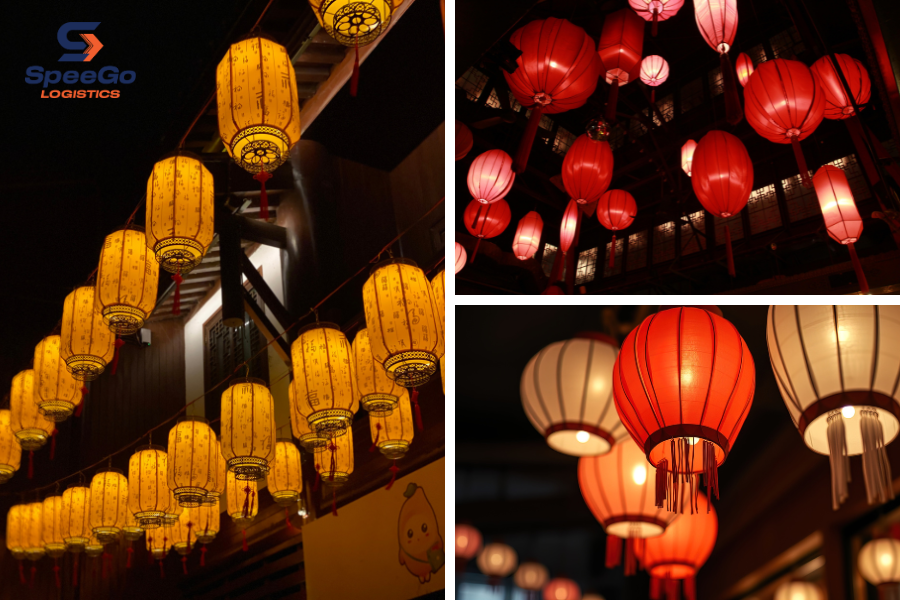
Vietnamese silk lanterns are perhaps the most culturally recognizable lighting products from the country. Inspired by traditional designs seen in historic towns such as Hội An, these lanterns feature bamboo frames covered with colorful silk fabric. Today, many manufacturers adapt these lanterns for modern interiors by offering neutral colors, minimalist shapes, and contemporary sizes. Silk lanterns are widely used in restaurants, hospitality spaces, and themed interior projects where soft ambient lighting is desired.
3.6. Coconut Shell Lamps
Coconut shell lamps represent a creative example of how Vietnamese artisans repurpose natural materials into unique lighting pieces. The shells are carefully cut, polished, and carved to create decorative patterns that allow light to shine through. When illuminated, the carved openings produce intricate light projections on surrounding surfaces, giving each lamp a distinctive artistic effect. These lamps are especially popular in tropical-themed interiors, resorts, and eco-friendly home decor collections.
When illuminated, the carved openings produce intricate light projections on surrounding surfaces, giving each lamp a distinctive artistic effect. These lamps are especially popular in tropical-themed interiors, resorts, and eco-friendly home décor collections.
4. How to Import Home Decor from Vietnam (Step-by-step)
Step 1: Identify product category and target market
Step 2: Find reliable suppliers or craft villages
Step 3: Request samples and verify quality
Step 4: Confirm materials and compliance requirements
Step 5: Choose shipping method (LCL or FCL)
Step 6: Prepare export/import documentation
Step 7: Arrange international shipping and customs clearance
5. Important Considerations When Shipping Handcrafted Lamps
Because handcrafted lamps are often made from fragile or natural materials such as bamboo, ceramics, or woven fibers, proper packaging and handling are critical during international shipping. Importers should pay attention to:
- Protective packaging to prevent deformation or breakage.
- Moisture control for natural materials.
- Container loading optimization to reduce damage risk.
- Choosing between LCL and FCL depending on product volume.
Working with a logistics partner can help ensure these factors are properly managed throughout the shipping process.
Overall, handcrafted lamps offer a practical and scalable entry point for businesses looking to import home decor from Vietnam. By understanding product categories, sourcing strategies, and logistics requirements, importers can reduce risks while building a differentiated home decor product line for international markets.
If you are planning to import home decor from Vietnam and want to simplify the entire process, working with a reliable logistics partner like SpeeGo Logistics can make a significant difference.
Contact SpeeGo Logistics today to get tailored support for your next shipment.