

Sourcing and importing from Vietnam is no longer just an alternative. It has become a strategic move for businesses seeking flexibility, competitive costs, and reliable production capacity in Asia.
1. Overview of Vietnam’s Manufacturing Industry
Over the past two decades, Vietnam has developed into one of the most dynamic manufacturing hubs in Asia. Supported by economic reforms, increasing foreign investment, and expanding export infrastructure, the country has become an important production base for companies seeking reliable suppliers and competitive manufacturing costs.
1.1. Cost-effective Manufacturing
One of the main reasons global companies source products from Vietnam is the country’s competitive manufacturing costs. Compared with many developed economies, production expenses in Vietnam remain relatively affordable, especially in labor-intensive industries such as apparel, furniture, and handicrafts. This cost advantage allows manufacturers to offer competitive pricing while maintaining acceptable quality standards for international markets.
1.2. Skilled and Abundant Workforce
Vietnam also benefits from a large and increasingly skilled workforce. With a population of more than 100 million people, the country offers a substantial labor pool capable of supporting a wide range of manufacturing activities. Many workers have developed strong technical skills through experience in export-oriented industries such as electronics assembly, textile production, and furniture manufacturing.
1.3. Trade Agreements
Another factor strengthening Vietnam’s manufacturing sector is its participation in multiple international trade agreements. These agreements help reduce tariffs and facilitate smoother trade flows between Vietnam and major global markets.
| Free Trade Agreements | Countries | Content |
| The Comprehensive and Progressive Agreement for Trans-Pacific Partnership (CPTPP) | Australia, Canada, Japan, Mexico, New Zealand, Singapore, Vietnam, Peru, Malaysia, Chile, Brunei, UK. | CPTPP removes tariffs on up to 95 – 99% of goods traded among members, giving exporters preferential access to major developed markets |
| Regional Comprehensive Economic Partnership (RCEP) | Australia, Japan, New Zealand, Vietnam, China, South Korea | It’s allowing manufacturers to source components from multiple RCEP markets while still qualifying for preferential tariffs |
| ASEAN – Australia – New Zealand Free Trade Area (AANZFTA) | Australia, New Zealand, ASEAN Countries | It is particularly beneficial for agriculture, consumer goods, and manufacturing exports between Southeast Asia and Oceania. |
2. Challenges to Consider When Sourcing and Import from Vietnam
While Vietnam offers many advantages as a manufacturing and sourcing destination, international buyers should also be aware of several practical challenges. Understanding these potential issues can help businesses in markets such as the United States, Canada, and Australia prepare more effectively and build stronger supply chain strategies when importing from Vietnamese suppliers.
2.1. Communication and Language Differences
Although many Vietnamese export companies have experience working with international buyers, communication challenges can still occur. Language barriers or differences in business communication styles may sometimes lead to misunderstandings regarding product specifications, delivery timelines, or packaging requirements.
To reduce these risks, importers often rely on clear written documentation, detailed product specifications, and regular communication during the production process. Partnering with a local sourcing expert, like SpeeGo Logistics, can help to alleviate such communication challenges.
2.2. Intellectual Property Protection
While Vietnam has strengthened its legal framework for intellectual property protection in recent years, international buyers should still take proactive steps to safeguard their product designs, trademarks, and brand identity when working with suppliers. To minimize risks, businesses importing from Vietnam often implement several precautions. These include registering trademarks in their target markets, signing clear manufacturing agreements with suppliers, and using non-disclosure agreements (NDAs) when sharing proprietary designs or product concepts.
2.3. Variations in Production Capacity
Vietnam’s manufacturing industry includes a wide range of suppliers, from large export-oriented factories to smaller workshops specializing in handmade or customized products. While this diversity offers buyers flexibility and access to unique products, it can also lead to variations in production capacity among different suppliers.
3. Vietnam Industry Clusters
Vietnam’s manufacturing sector is supported by a network of specialized industrial and production clusters across different regions of the country. These clusters allow manufacturers to concentrate expertise, supply chains, and skilled labor within specific product categories. As a result, international buyers can more easily identify reliable sourcing locations depending on the type of products they plan to import.

3.1. Furniture and Wood Products
Vietnam has become one of the most strategic destinations for businesses looking to import furniture thanks to its strong manufacturing base and export capacity. The country ranks among among the world’s largest exporters of wooden furniture, with furniture and wood product exports reaching over USD 14 billion in 2023. Southern Vietnam has become one of the country’s most important hubs for furniture manufacturing and wood processing. These production clusters benefit from modern industrial parks, efficient logistics infrastructure, and established supply chains that support large-scale export manufacturing.
- Key locations: Binh Duong, Dong Nai, Ho Chi Minh City.
- Famous brands: IKEA, Ashley Furniture, West Elm…
3.2. Textiles and Garments
Vietnam ranks among the top three apparel exporters globally, with textile and garment exports reaching approximately USD 40 billion in 2023. Manufacturing clusters are concentrated in both northern and southern industrial zones, where factories produce apparel for global fashion brands and private-label retailers.
- Key locations: Ho Chi Minh City, Dong Nai, Binh Duong, Nam Dinh, Hai Phong
- Famous brands: Nike, Adidas, Uniqlo, H&M…
3.3. Footwear
Vietnam has become one of the world’s leading producers of footwear and fashion accessories. Large manufacturing clusters are concentrated in southern provinces, where factories produce shoes, bags, and travel accessories for international brands.
- Key locations: Ho Chi Minh City, Dong Nai, Long An, Tay Ninh
- Famous brands: Nike, Adidas, Puma, New Balance…
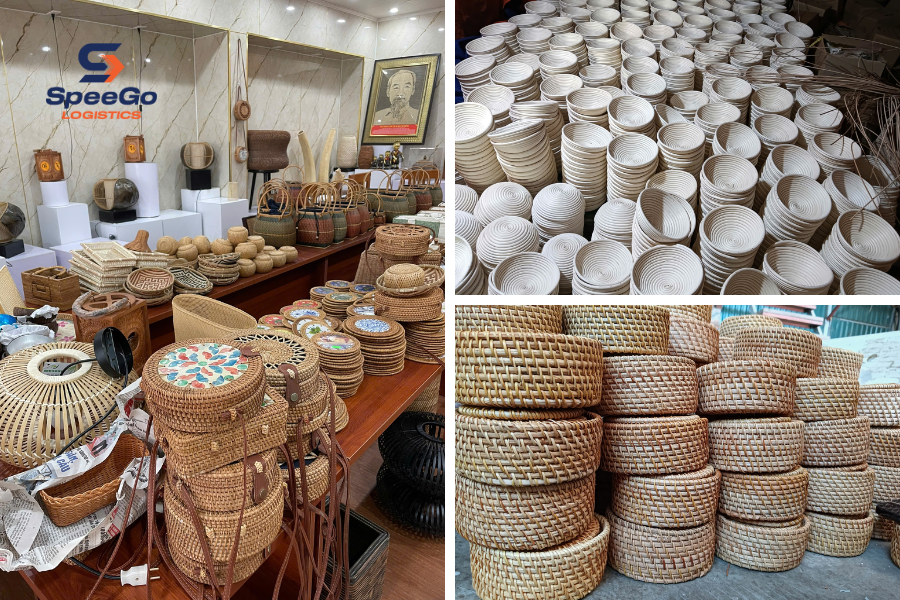
3.4. Handicrafts and Home Decor
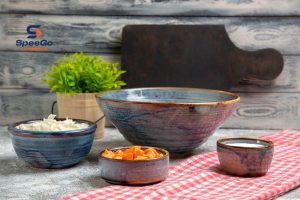
Vietnam’s handicraft sector plays a vital role for international buyers looking to import handicraft and import home decor products with strong cultural value and handmade authenticity. Many of these artisan communities are located in northern provinces surrounding Hanoi, where specialized villages focus on ceramics, bamboo weaving, lacquerware, and embroidered textiles.
With more than 5,400 craft villages across the country, Vietnam offers a diverse and scalable supply base for businesses aiming to import handicraft or expand their import home decor collections. Vietnam’s handicraft export value reached approximately USD 3.5 billion in 2023, reflecting growing international demand for sustainable and handmade products.
- Key locations: Hanoi, Ha Nam, Ninh Binh, Thanh Hoa, Binh Duong.
- Famous brands: Far Eastern Handicraft, Kingcraftviet…
3.5. Electronics and Consumer Goods
Northern Vietnam has rapidly developed into a major electronics manufacturing hub. Large technology companies have established production facilities in these provinces, creating extensive supply chains for electronic components and consumer devices.
- Key locations: Bac Ninh, Thai Nguyen, Hai Phong, Hanoi.
- Famous brands: Samsung, LG, Panasonic…
4. Where to Find Reliable Suppliers in Vietnam?
While Vietnam offers a wide range of manufacturing capabilities, successful sourcing usually depends on understanding where suppliers are located and how to evaluate them effectively.
4.1. Manufacturing Clusters
Vietnam’s manufacturing sector is highly regionalized, with certain provinces developing strong specialization in particular industries. These clusters allow suppliers to benefit from skilled labor, established supply chains, and supporting industries, making it easier for international buyers to locate manufacturers with relevant expertise.
4.2. Trade Shows and Sourcing Events
Industry trade fairs remain one of the most effective ways to meet Vietnamese manufacturers in person and evaluate product quality directly. These events allow buyers to explore product trends, compare suppliers, and build long-term business relationships.
4.3. Sourcing Platforms
| RO | Service Company | Trading Company | |
| Function | Market research, promotion, liaison, coordination, quality control. | Market research, promotion, liaison, coordination, quality control, professional services. | Import – export, wholesaling, sampling, packaging, franchising, retailing |
| Invoice in VND and VAT invoices | Not allowed | Allowed | Allowed |
| Supplier negotiation | Can support negotiations but cannot directly execute transactions. | Can negotiate on behalf of clients for sourcing arrangements. | Directly negotiates with suppliers and manages procurement. |
| Supply chain management | Limited to coordination and monitoring activities. | Can coordinate sourcing, supplier audits, and logistics planning. | Fully manages procurement, inventory, shipping, and distribution. |
| Risk level for buyers | Lower operational capability but limited responsibility. | Moderate risk depending on service provider reliability. | Higher responsibility but offers full operational control. |
| Best for | Companies exploring the Vietnamese market or building supplier networks. | Businesses needing sourcing support without establishing a legal trading entity. | Companies that want a local partner to handle procurement, trading, and distribution. |
5. How SpeeGo Logistics Can Help Your Business Thrive in Vietnam?
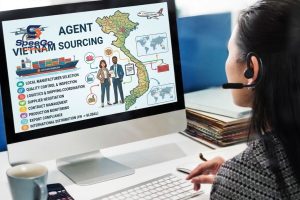
Expanding your sourcing operations into Vietnam can unlock significant opportunities, but navigating supplier networks, logistics, and export procedures often requires local expertise and strong coordination. With on-the-ground experience and an integrated logistics approach, SpeeGo Logistics helps businesses streamline sourcing and build more reliable supply chains.
Here’s how SpeeGo Logistics supports international importers:
5.1. In-depth Market Knowledge
With practical experience across key manufacturing sectors in Vietnam, SpeeGo Logistics helps businesses identify suitable suppliers based on product category, budget, and production requirements. This reduces the time spent on trial-and-error sourcing and improves the chances of finding partners that align with long-term business goals.
5.2. Clear and Efficient Communication
Working with overseas suppliers can sometimes lead to misunderstandings due to language barriers or differences in business practices. SpeeGo Logistics acts as a local bridge, ensuring clear communication between buyers and manufacturers. This helps minimize errors in product specifications, packaging, and delivery timelines.
5.3. Supplier Coordination and Verification
SpeeGo supports businesses by coordinating with factories, monitoring order progress, and helping verify supplier reliability. This reduces risks related to delays, inconsistent quality, or miscommunication during production.
5.4. End-to-End Logistics Management
SpeeGo Logistics manages the full shipping process, from factory pickup to final delivery. Services include cargo consolidation, freight booking, and coordination of sea or air transportation depending on your timeline and budget. This integrated approach is especially useful for businesses sourcing from multiple suppliers, as it simplifies logistics and improves cost efficiency.
5.5. Import-Export Documentation Support
Our team assists with preparing essential paperwork such as commercial invoices, packing lists, and bills of lading. Proper documentation helps ensure smooth customs clearance and reduces the risk of unexpected delays or penalties.
6. Frequently Asked Questions (FAQs)
6.1. What products are most commonly imported from Vietnam?
Some of the most commonly imported categories include furniture and wood products, textiles and garments, footwear, electronics, and handicrafts.
6.2. Is Vietnam a good alternative to China for manufacturing?
Vietnam is widely considered a strong alternative to China, particularly for labor-intensive industries such as textiles, furniture, and handicrafts. The country offers competitive labor costs, a growing manufacturing base, and access to multiple free trade agreements, which can help reduce import duties in certain markets.
6.3. How can I ensure product quality when sourcing from Vietnam?
During production, many businesses use third-party inspection services or work with local partners such as SpeeGo Logistics to monitor progress and verify quality before shipment.