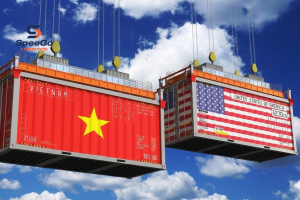
As global supply chains continue to evolve, more companies are turning to Vietnam as a strategic hub for ceramic sourcing.
1. Why Import Ceramics From Vietnam?
Vietnam’s ceramics industry is deeply rooted in tradition, with well-known craft villages such as Bat Trang and production hubs in Binh Duong that have been developing their expertise for generations. This long-standing craftsmanship allows Vietnam ceramic suppliers to produce a wide range of products, from delicate handmade decorative items to mass-produced tableware and outdoor ceramics.
Compared to more mature manufacturing markets, Vietnam production costs remain competitive while still offering flexibility in design, materials, and order customization. This is especially valuable for businesses looking to develop wholesale ceramic product lines or private-label collections.
2. Main Ceramics Product Categories
Vietnam’s ceramics industry is surprisingly diverse, and this directly affects how you approach sourcing and pricing.
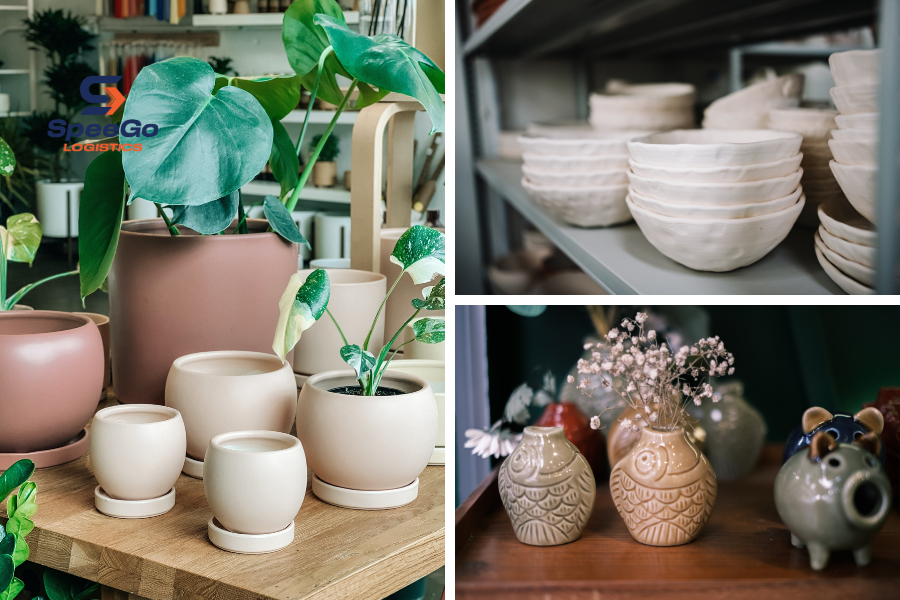
- Tableware: This includes plates, bowls, mugs, and other kitchen items. These products are often produced in larger volumes and are more standardized, which makes them suitable for retail chains or wholesale ceramic businesses.
- Decorative ceramics: This category focuses more on design and aesthetics, including vases, figurines, and home decor items. Decorative ceramics offer higher flexibility in customization, which is attractive for brands looking to differentiate their product lines.
- Outdoor and garden ceramics: These products include planters, pots, and other garden decor items. They are typically heavier and bulkier, which has a direct impact on ceramic shipping cost. Buyers need to consider not only durability (to withstand outdoor conditions) but also reinforced packaging solutions to reduce breakage during long-distance shipping.
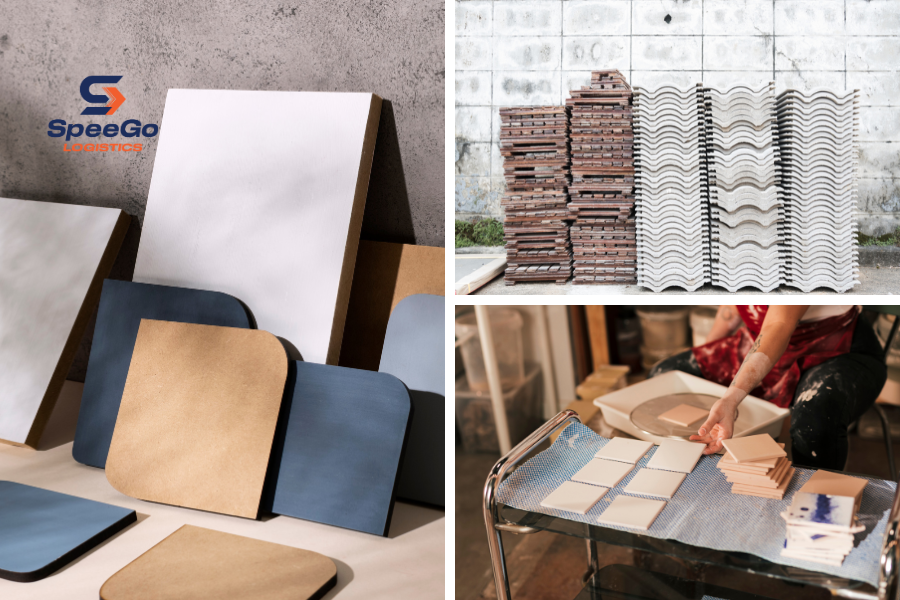
- Ceramics Building Materials: This segment includes tiles, bricks, and sanitary ware. Unlike decorative or tableware ceramics, these products are highly standardized and produced at industrial scale. They are less fragile compared to fine ceramics, but logistics still play an important role due to weight and volume.
3. How to Find Reliable Ceramic Suppliers in Vietnam?
Finding the right partner is often the most critical step when importing ceramics from Vietnam. The common challenge is not the lack of suppliers, but identifying which ones can consistently meet your quality, volume, and export requirements. With a large number of Vietnam ceramic suppliers available, having a structured approach will save both time and cost in the long run.
3.1. Where to Source Ceramic Suppliers?
There are several practical channels businesses can use to find suppliers, and each comes with its own advantages.
- Trade shows: Trade fairs remain one of the most reliable ways to meet suppliers face-to-face. Events such as Ambiente (Germany) or regional exhibitions in Vietnam allow buyers to evaluate product quality directly and have more transparent discussions about capabilities.
- Online platforms (Alibaba, Global Sources, etc.): Online sourcing platforms are often the starting point for many businesses. They provide access to a wide range of suppliers and allow for quick comparison of pricing and product offerings. However, one important note is that not all listed suppliers are actual manufacturers. This is why additional verification is essential when learning how to import ceramics safely.
- Sourcing agents in Vietnam: Working with a local sourcing agent can significantly simplify the process, especially for companies new to the market. Agents can help identify suitable factories, negotiate pricing, and oversee production. In many cases, they also support quality control and packaging ceramics for export, which is crucial when shipping ceramics internationally.
3.2. How to Evaluate Ceramics Suppliers in Vietnam?
Once you have shortlisted potential suppliers, the next step is to assess whether they are the right fit for your business.
- Production capacity: Make sure the supplier can handle your order volume when your business grows. Some smaller workshops may offer great craftsmanship but struggle with large-scale orders.
- Export experience: Suppliers with export experience are generally more familiar with international standards, documentation, and logistics. This reduces the risk of delays and errors when shipping ceramics internationally.
- Certifications and compliance: Some product categories need certifications related to food safety when shipping to the USA.
3.3. Red Flags to Watch Out For
Even with careful research, there are still common warning signs that buyers should be aware of when finding ceramics suppliers.
- Unusually low pricing: If a quotation is significantly lower than others, it may indicate compromises in material quality or production standards. In the long run, this can lead to higher defect rates and increased ceramic shipping cost due to damaged or unsellable goods.
- Lack of clear quality control (QC) processes: Reliable suppliers should be able to explain their QC procedures, including inspection stages and defect handling. Without this, maintaining consistent quality, especially for fragile items becomes very difficult.
- Limited transparency: If a supplier is unwilling to provide factory information, certifications, or sample products, this is often a sign to proceed with caution.
4. Importing Ceramics Process From Vietnam to the USA
Step 1: Find Reliable Suppliers
Everything starts with choosing the right Vietnam ceramic suppliers. At this stage, it is important not only to compare pricing, but also to confirm product specifications, materials, and finishing details.
Step 2: Pricing, MOQ, and Contract Agreement
Once the supplier is confirmed, the next step is to finalize pricing, minimum order quantity (MOQ), and production terms. For wholesale ceramic orders, suppliers in Vietnam often offer better pricing at higher volumes, but this needs to be balanced with your storage and cash flow capacity.
Step 3: Shipping and Logistics
Once goods are ready, the next step is shipping ceramics internationally from Vietnam to the USA with two most common methods are sea and air freight.
Step 4: Customs Declaration and Import Duties
When the shipment arrives in the United States, it must go through customs clearance. If your product fails to meet USA standards, it can result in shipment delays or rejection.
Step 5: Final Delivery and Distribution
After customs clearance, goods are transported to warehouses, distribution centers, or directly to customers. At this stage, businesses should inspect goods upon arrival, check for breakage or defects and document any issues for insurance or supplier claims.
5. Import Duties, Regulations & Compliance
When importing ceramics from Vietnam to the United States, regulations play a crucial role in ensuring smooth customs clearance and avoiding unexpected costs. Many issues in shipping ceramics internationally arise not from production, but from incomplete documentation, incorrect classification, or non-compliance with U.S. standards.
In the U.S., ceramic imports are regulated by U.S. Customs and Border Protection (CBP), which oversees customs procedures, duties, and product classification. Depending on the product type, whether tableware, decorative items, or building materials, different compliance requirements will apply.
5.1. U.S. Import Regulations for ceramic tableware
Ceramic tableware is subject to stricter regulations because it comes into direct contact with food. According to FDA guidelines in title 29 of the Code of Federal Regulations (CFR), ceramic tableware must meet specific requirements related to lead and cadmium. To meet these standards, importers should request certified lab test reports from suppliers, verify compliance before shipment and consider third-party testing when necessary. Non-compliance can lead to shipment rejection, delays, or additional inspection costs. This makes regulatory checks a critical part of how to import ceramics safely, especially for tableware products.
5.2. U.S. Import Regulations for decorative ceramics
Decorative ceramics such as vases, figurines, and home decor items are generally less regulated than tableware when importing ceramics from Vietnam, but they still need to comply with several important U.S. requirements. All products must be properly declared to the U.S. Customs and Border Protection, including accurate HS code classification, declared value, and clear country of origin marking. Products with surface coatings or paints may fall under regulations from the U.S. Consumer Product Safety Commission, particularly regarding limits on hazardous substances such as lead, especially if the items are intended for household use
5.3. U.S. Import Regulations for ceramic building materials
The Environmental Protection Agency (EPA) does oversee the ceramic building materials, but most of their regulations are tied to how products are manufactured, particularly emissions released during production. That means if your ceramic goods are already finished and shipped from overseas, those specific manufacturing regulations typically won’t apply directly to your imports.
However, importers should pay attention to regulations under the Toxic Substances Control Act (TSCA), which governs the use of certain chemical substances in products entering the U.S. market. While most ceramic building materials are considered low-risk and do not typically contain restricted chemicals, TSCA still requires importers to certify that their products comply with applicable chemical regulations. Although the regulatory burden for ceramic construction materials is generally lighter compared to other product categories, overlooking TSCA requirements can still lead to shipment delays or import restrictions.
5.4. U.S. Import Regulations for outdoor and garden ceramics
When importing ceramics from Vietnam, outdoor and garden ceramics must first meet the standard requirements set by the U.S. Customs and Border Protection, including correct tariff classification under Chapter 69 (HTSUS), accurate customs valuation, and proper country of origin marking. Because these items are often bulky and shipped in large volumes, even small errors in documentation can quickly increase delays and overall ceramic shipping cost Vietnam.
Unlike tableware, outdoor ceramics are not subject to strict food safety regulations, but they may still fall under general safety oversight from the U.S. Consumer Product Safety Commission, particularly if they include coatings, paints, or structural features that could pose risks during use.
6. Cost Breakdown When Importing Ceramics from Vietnam
Many businesses focus only on unit cost at the beginning, but in reality, the landed cost (total cost to bring goods to your warehouse) includes several components that can significantly affect profitability.
| Cost Component | Description | Estimated Cost Range |
| Product Cost (EXW/FOB) | Purchase price from Vietnam ceramic suppliers, depending on type and volume | $1 – $10 per unit |
| Export Packaging | Materials used for safe handling and packaging ceramics for export | $0.50 – $2 per unit |
| International Freight | Cost of shipping ceramics internationally, mainly via sea freight | $200 – $1,000 per container |
| Import Duties | Tariffs applied based on HS code classification in the U.S. | 3% – 10% of product value |
| Compliance & Testing | Regulatory testing (e.g., FDA for tableware products) | $100 – $500 per product |
| Domestic Handling (U.S.) | Port handling, customs clearance, and inland transportation | $100 – $300 per shipment |
| Breakage Allowance | Estimated loss due to damage during transit (if packaging is not optimized) | 2% – 10% of order value |
| Warehouse Fees | Storage costs before distribution in the U.S. | $100 – $500 per month |
7. How to Build a Reliable Ceramic Supply Chain with SpeeGo Logistics?
Whether you’re an established business or just starting out, SpeeGo Logistics can support you with high-quality ceramic products that meet international standards. With local expertise, SpeeGo supports supplier sourcing, product evaluation and logistics, helping ensure that quality expectations are clearly defined from the beginning. Also, SpeeGo can help reduce breakage rates and optimize overall ceramic shipping cost in Vietnam, which can significantly impact final margins.