

In global trade, shipping strategies often vary depending on the origin and destination markets. For example, businesses handling shipments from Asia to North America or Oceania must consider different cost structures, transit times, and customs requirements. When planning international logistics, routes such as shipping from Vietnam to the United States or exporting goods to Canada and Australia require careful evaluation of shipment size and transportation method.
Understanding whether to use FCL or LCL becomes especially important when managing shipments across long-distance trade lanes.
1. What Is FCL Shipping?
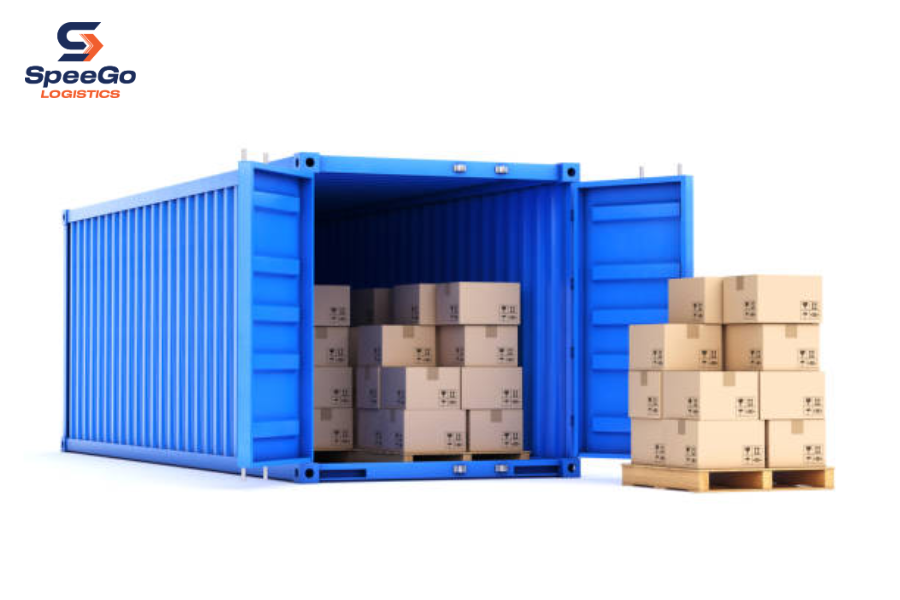
Full Container Load (FCL) is one of the most common ocean freight methods used in international trade. FCL stands for Full Container Load, a shipping method in which one company books an entire container for its own goods. The cargo inside the container typically belongs to a single exporter and is delivered directly to a single importer or distribution center. This method is widely used in long-distance trade routes, especially for businesses handling shipping from Vietnam to USA, where large-volume shipments can significantly reduce cost per unit.
1.2. Advantages of FCL Shipping
This advantage becomes more evident in long-haul routes such as shipping from Vietnam to Australia, where optimizing container space can significantly impact total logistics costs.
- Cost efficiency for large shipments: When cargo volume is sufficient to fill most of a container, the cost per unit can be lower because the shipper pays a fixed rate for the entire container rather than based on cargo volume.
- Improved cargo safety: The container is used by a single shipper, meaning goods are not mixed with other shipments, which helps reduce the risk of damage, loss, or contamination.
- Reduced handling during transit: Fewer handling stages lower the chances of physical damage to cargo.
- Faster transit time: FCL shipments often move more quickly because the container does not need to wait for consolidation with other cargo at warehouses or container freight stations.
- Simplified logistics process: With fewer intermediate steps, exporters and importers can manage documentation, cargo tracking, and customs procedures more efficiently.
1.3. Disadvantages of FCL Shipping
- High cost for small businesses: Businesses that do not have enough cargo to fill a container may end up paying for unused container space, increasing the cost per unit.
- Less economical for low cargo volumes: For smaller shipments, booking a full container may be less efficient than shared container services such as LCL (Less Than Container Load).
- Requires careful cargo planning: Exporters must optimize packaging and cargo arrangement inside the container to maximize space usage and prevent cargo movement during transportation.
Choosing between FCL and LCL becomes especially important when managing international routes, as shipping strategies can vary significantly depending on the destination market.
2. What Is LCL Shipping?
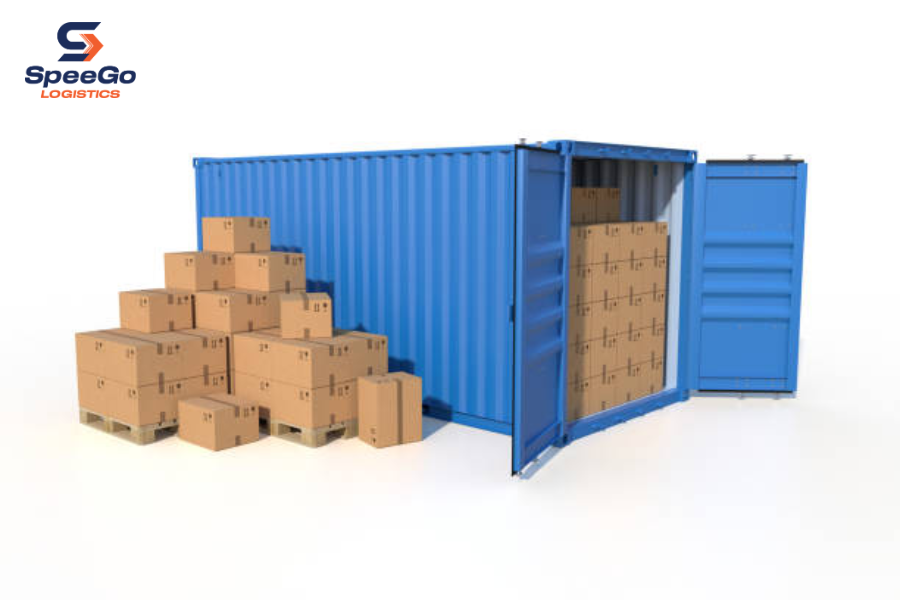
Less Than Container Load (LCL) refers to an ocean freight method in which cargo from multiple shippers is consolidated into a single container. Each shipper pays only for the space their goods occupy, typically calculated based on cubic meters (CBM).
Instead of reserving an entire container, exporters can send smaller shipments while sharing transportation costs with other businesses. LCL shipping has become particularly valuable for startups, small importers, and e-commerce sellers that frequently ship smaller batches of goods. By allowing cargo consolidation, LCL helps businesses participate in international trade without the financial burden of booking a full container. This approach is commonly used by small and medium-sized businesses managing shipments to major markets, including those exporting from Vietnam to the United States in smaller volumes.
2.2. Advantages of LCL Shipping
- Cost flexibility: Businesses only pay for the cargo space they use instead of booking an entire container, making LCL suitable for smaller shipments.
- Ideal for limited quantities: Companies can ship smaller volumes of goods without waiting to fill a full container.
- Supports market testing: Importers can send smaller and more frequent shipments when testing new products or entering new markets.
- Better inventory management: Shipping in smaller batches helps businesses control stock levels and reduce the risk of overstocking.
- Accessible for startups and small retailers: LCL allows smaller businesses to enter international trade while keeping logistics costs manageable.
2.3. Disadvantages of LCL Shipping
- Higher cost per cubic meter (CBM): When shipment volumes increase, LCL can become more expensive than FCL because logistics providers must handle consolidation, documentation, and additional cargo handling.
- Longer transit times: LCL shipments may take more time due to cargo consolidation at origin and deconsolidation at destination warehouses.
- Increased handling: Goods are handled multiple times during the shipping process, which can raise the risk of damage.
- Higher risk for fragile cargo: Items that are not properly packed may face greater chances of impact or breakage during handling.
3. Key Differences Between FCL and LCL Shipping
3.1. Shipment Journey
To clearly understand the difference between Full Container Load (FCL) and Less than Container Load (LCL) shipping, it helps to look beyond the container itself and examine how goods actually move through the supply chain.
The Direct Route of an FCL Shipment
- Container Delivery: The shipping carrier delivers an empty container to the supplier’s factory or warehouse for loading.
- Loading and Sealing: The supplier loads the goods into the container. Once finished, the container is closed and secured with a seal that remains intact throughout the journey.
- Transport to Port: The sealed container is transported by truck or rail to the export port and loaded onto a cargo vessel.
- Ocean Transport: The container travels directly to the destination port without being opened or mixed with other cargo.
- Final Delivery: After arrival, the container is transported to the importer’s warehouse, where the seal is finally broken and the goods are unloaded.
The Multi-Step Journey of an LCL Shipment
- Cargo Pickup: Goods are collected from the supplier and transported to a Container Freight Station (CFS).
- Cargo Consolidation: At the CFS warehouse, shipments from different exporters that share the same destination are combined and loaded into one container.
- Ocean Shipping: Once the container is full, it is sealed and transported to the port for international shipment.
- Deconsolidation at Destination: After arriving at the destination port, the container is transferred to another CFS facility rather than going directly to the importer.
- Sorting and Delivery: The container is opened at the destination CFS, cargo is separated by consignee, cleared through customs, and then delivered to the final recipient.
For long-haul routes such as shipping from China to USA, transit efficiency and cargo handling play a critical role in overall supply chain performance. Similarly, when businesses manage shipments from Vietnam to overseas markets, including North America or Australia, choosing between FCL and LCL directly impacts delivery timelines and operational costs.
3.2. Shipment Size (CBM)
Cargo volume is commonly measured in cubic meters (CBM), which represents the space a shipment occupies inside a container. LCL shipping is typically more suitable for smaller shipments under 10 – 15 CBM, because businesses only pay for the space their goods use in a shared container. However, once shipment volumes approach 15 – 20 CBM, the cost difference between LCL and FCL becomes much smaller. In many cases, booking an entire container may actually be more economical.
3.3. Shipping Budget
Budget considerations also play a crucial role in choosing the right shipping method. Businesses that ship small quantities of goods may find LCL more affordable because they avoid paying for unused container space. LCL shipping typically involves additional charges such as consolidation fees, deconsolidation fees, and warehouse handling costs at Container Freight Stations (CFS). These extra operational steps can increase the total cost per unit of cargo.
Shipping costs can vary significantly depending on the trade route. For instance, businesses import from Vietnam to Canada or exporting to Australia often face different freight rates, seasonal surcharges, and port handling fees. These variations make it essential to evaluate whether FCL or LCL is more cost-effective based on shipment volume and destination.
4. What Type of Product Fit the Right Shipping Method?
Choosing between FCL (Full Container Load) and LCL (Less Than Container Load) is not only a matter of shipment volume or cost. The type of product being transported also plays an important role in determining which shipping method is the most suitable.
4.1. Furniture and Large Home Products
Large and bulky products such as furniture, wooden cabinets, sofas, and dining tables are typically better suited for FCL shipping. These items occupy significant container space and are often shipped in large quantities by wholesalers, retailers, or furniture distributors. For businesses planning to import furniture from Vietnam to markets such as the United States or Canada, FCL shipping is often the preferred option due to the size, weight, and volume of these products.
4.2. Handicrafts and Decorative Products
Products such as handcrafted baskets, rattan lamps, ceramic decorations, bamboo products, and artisanal home accessories are often shipped using LCL services, especially when export volumes are relatively small. Many handicraft producers, particularly small and medium-sized manufacturers, export goods in smaller batches rather than filling an entire container. LCL shipping allows these businesses to share container space and reduce logistics costs while still accessing global markets. This is particularly relevant for businesses that import handicrafts in smaller quantities, as it allows them to test new designs and manage inventory without committing to full container loads.
4.3. Cosmetics and Beauty Products
The cosmetics and personal care industry often uses a combination of both shipping methods depending on shipment size and distribution strategies. Large cosmetic brands and distributors that ship substantial volumes of skincare products, perfumes, or beauty items to overseas warehouses often rely on Full Container Load (FCL) shipping. When cargo volumes are sufficient to occupy most or all of a container, this method typically improves operational efficiency and reduces the cost per unit, since the container is reserved exclusively for one shipper. For companies that import cosmetics in large volumes, FCL shipping helps improve cost efficiency and ensures better control over product handling during transit.
Smaller cosmetic businesses and newly established brands tend to adopt a different approach during the early stages of international expansion. Less than Container Load (LCL) shipping allows them to move smaller product batches without committing to large-scale production. This strategy makes it easier to test consumer demand across different markets, manage inventory more carefully, and gradually scale export volumes once sales performance becomes clearer.
5. How Freight Forwarders Help You Choose the Right Shipping Method?
Working with a professional logistics partner such as SpeeGo Logistics can help businesses make more informed shipping decisions and maintain efficient global supply chains. With experience in international freight forwarding, logistics providers can support companies throughout the entire shipping process, from evaluating shipment volumes and choosing between FCL and LCL, to coordinating international transportation and customs documentation.
By combining industry expertise, route planning, and cost management strategies, freight forwarders help businesses move goods across borders with greater confidence and efficiency. Whether you are managing shipping from China to the United States or expanding your supply chain with sourcing and shipping from Vietnam to global markets, choosing the right logistics strategy is critical.
SpeeGo Logistics supports businesses with route optimization, cost control, and end-to-end freight solutions tailored to different shipment sizes and international trade routes.
Frequently Asked Questions (FAQs)
- What is the minimum volume for FCL shipping?
There is no strict minimum volume requirement for FCL (Full Container Load) shipping because a shipper can technically book an entire container even if it is not completely full. However, in practice, logistics providers often recommend using FCL when the cargo volume reaches approximately 15 – 20 cubic meters (CBM) or more.
- How long does LCL shipping take compared to FCL?
LCL shipments usually take slightly longer than FCL shipments. This is because LCL cargo must first be consolidated with other shipments at the origin warehouse and later separated at the destination warehouse.
- How do freight forwarders calculate LCL shipping costs?
LCL shipping costs are usually calculated based on cargo volume (CBM) or weight, depending on which measurement results in the higher chargeable value.