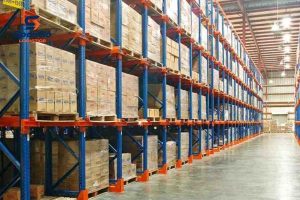


Shipping from China to USA is one of the most critical steps in global sourcing. Whether you are importing furniture, electronics, or consumer goods, choosing the right logistics solution can significantly impact your cost, delivery time, and compliance risks.
Setting up a manufacturing facility in China allows businesses to significantly reduce costs. However, if transportation and logistics are not tightly controlled, profit margins can be eroded by container storage fees, delays in customs clearance, or documentation errors. Shipping is not just a cost, it is a key part of risk management.
1. Overview of Import Needs from China to the U.S.
Shipping from China to USA is a critical part of global sourcing for businesses importing goods from Chinese manufacturers. As trade between China and the United States continues to grow, efficient logistics plays a key role in controlling costs and maintaining stable supply chains. The result is most small- and medium-sized enterprises (SMEs) in the U.S. remain dependent on Chinese suppliers.
However, shipping from China to USA comes with multiple challenges, including customs delays, incorrect documentation, rising shipping costs, and unpredictable transit times. Without proper logistics planning, these issues can significantly impact your profit margins and delivery timelines. This is why many businesses choose to work with a professional freight forwarder to manage their shipments more efficiently.
From an operational perspective, logistics directly impact cash flow and inventory management. Even a delay of a few days can result in container demurrage fees, stock shortages for Amazon FBA, and unexpected customs issues.
Hence, businesses that establish factories in China should not rely solely on their manufacturers for international shipping. Partnering with a specialized freight forwarder for shipping from China to USA helps you reduce risks, control costs, and ensure smooth customs clearance.
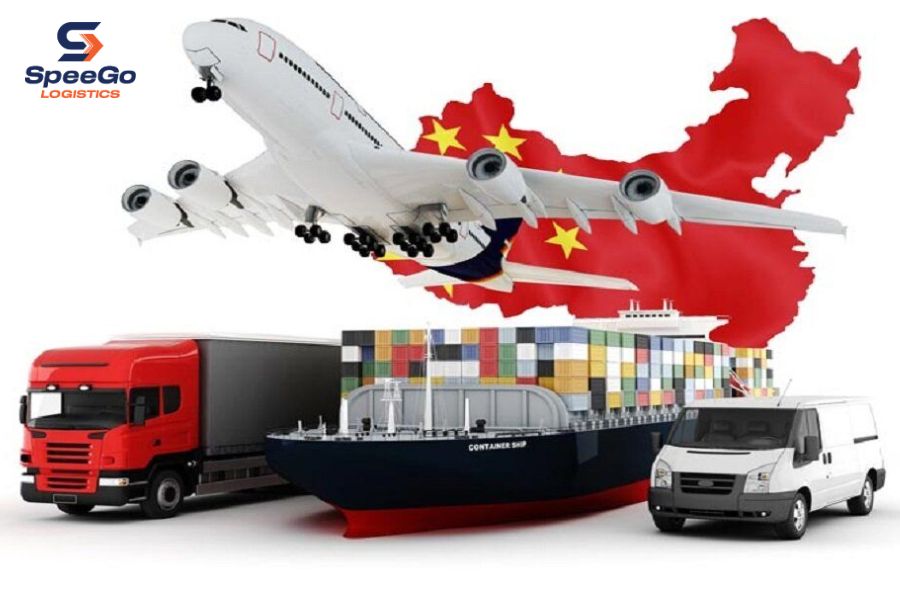
2. Specifics of Shipping from China to the U.S. for Manufacturers
Before choosing a shipping method from China to USA, businesses should understand the most common logistics models and risks involved. Selecting the wrong model can lead to higher costs, delays, and compliance issues during the shipping process.
When businesses have factories in China, shipping goods to the U.S. involves more than simply “booking a vessel and waiting.” Each shipment carries potential risks from unforeseen costs to strict legal procedures. Understanding these specifics enables proactive management and prevents unnecessary losses.
2.1. Common Models
Below are the most common shipping models used by importers when importing from China to USA. Currently, three prevalent models are employed by U.S. or Vietnamese companies importing from China:
- Direct Ordering from the Chinese Factory: The U.S. company signs an OEM/ODM contract directly with the manufacturer and bears responsibility for international shipping. All logistics, insurance, and post-landing risks fall on the importer. While this reduces intermediary costs, it carries significant risks if export procedures and customs regulations are not thoroughly understood. Without support from a professional freight forwarder, businesses may face difficulties in managing export documentation and customs clearance.
- Intermediary Service Providers: The company works with a third-party logistics (3PL) provider managing brand control and documentation at both ends. This model offers greater operational control but requires thorough knowledge of Chinese export and U.S. import regulations to avoid legal mistakes. Working with a freight forwarder for shipping from China to USA provides better control over documentation, compliance, and shipment tracking.
2.2. Common Risks in Shipping from China to the U.S.
Regardless of the shipping model you choose, there are several risks that businesses must be aware of when importing from China to USA.
- Lack of Export Documentation Support from the Factory: Many factories focus solely on production, neglecting necessary paperwork like commercial invoices, packing lists, or bills of lading. Without a freight forwarder or logistics partner assisting, delays in customs clearance are likely.
- Missing FDA or FCC Certifications (if applicable): For specific products such as food, cosmetics, or electronic devices, U.S. regulatory approval or certifications are mandatory. Missing these documents can lead to cargo detention, storage fees, and delays in sales plans.
- Incorrect HS Code Classification: U.S. Customs uses HS codes to determine tariffs and compliance. Misclassification can result in additional duties, fines, and customs hold-ups.
- Port Congestion:During peak seasons, major ports like Los Angeles or Long Beach may experience congestion, causing delays in delivery.
- High Storage and Container Holding Fees:Poorly managed scheduling can lead to demurrage or detention charges, significantly impacting profits.
Not sure which shipping method from China to USA is right for your business? Working with an experienced freight forwarder can help you choose the right model, reduce risks, and optimize your shipping costs. Contact SpeeGo Logistics for a customized shipping solution.
3. Step-by-Step Shipping Process from China to USA
Understanding the shipping process from China to USA helps businesses reduce delays, control costs, and ensure compliance with U.S. import regulations.
3.1. Goods Reception
Goods are typically consolidated at a warehouse for verification against orders, inspection, and packaging according to export standards. Proper packing to optimize carton size helps reduce shipping costs. Many companies overlook this step, only discovering discrepancies upon arrival in the U.S., leading to disputes with suppliers or container storage fees.
SpeeGo Logistics ensures meticulous oversight from the initial collection stage, safeguarding product quality, protecting profits, and maintaining delivery schedules. In addition, if your business requires purchasing domestic products China or sourcing reliable Chinese suppliers, you can reach out to the SpeeGo team for dedicated support and professional assistance.
3.2. Export Documentation Preparation
To facilitate smooth customs clearance in the U.S., comprehensive, accurate documentation must be prepared from the outset, including:
- Commercial Invoice: Detailing product descriptions, quantities, prices, and terms.
- Packing List: Itemizing each package with dimensions, weight, and packaging details.
- Bill of Lading (B/L) or Airway Bill (AWB): Depending on the chosen shipping mode.
Importantly, U.S. Customs and Border Protection requires the filing of an ISF (Importer Security Filing) prior to vessel arrival. The ISF must include critical information such as producer, seller, buyer, and shipment details. Errors or late submissions can incur penalties and delays. Collaborating with your logistics provider early in the documentation phase helps mitigate legal risks and ensure timely delivery.
3.3. International Shipping
Based on your specific requirements, SpeeGo Logistics will recommend the optimal shipping method. After choosing the mode, we oversee and manage all arising issues during transit.
3.4. Customs Clearance and Delivery to Your Warehouse
Upon arrival at U.S. ports, SpeeGo handles customs declarations, submits electronic documents, and monitors clearance statuses. If the shipment undergoes inspection, we coordinate with relevant authorities to expedite processing, minimizing detention time and additional costs.
4. Shipping Methods from China to USA
Choosing the right shipping method from China to USA depends on your shipment size, budget, and delivery timeline.
Sea Freight from China to USA
- Best for large shipments (FCL/LCL).
- Lower cost compared to air freight.
- Transit time: 20 – 40 days depending on destination.
Air Freight from China to USA
- Faster delivery (3 – 7 days).
- Higher cost.
- Suitable for urgent or high-value goods.
Express Shipping
- Ideal for small parcels and samples.
- Fastest option but most expensive.
5. Shipping Cost from China to USA
The shipping cost from China to USA varies significantly depending on multiple factors, including shipping method, cargo volume, and destination.
- Shipping method (sea or air).
- Container type (FCL or LCL).
- Destination port.
- Fuel surcharges and seasonal demand.
- Customs clearance and inland delivery.
6. Advantages of Using SpeeGo Logistics
Partnering with SpeeGo Logistics for shipments from China to the U.S. offers more than basic freight services; it provides a comprehensive supply chain solution, especially suited for SMEs and emerging brands.
- Expertise in Cross-Border Compliance:We assist in standardizing export/import documentation from the start, reducing the risk of penalties, detention, or additional container storage fees. For products requiring FDA, FCC, or other certifications, our team reviews documentation before departure from China to avoid last-minute issues.
- Cost Optimization:Instead of merely quoting freight rates, we analyze the entire supply chain costs, allowing you to manage cash flow and accurately calculate your landed costs.
If your business needs a reliable partner to shipping China to the USA, contact us for tailored advice and solutions.
Frequently Asked Questions (FAQs)
- How long does shipping from China to the U.S. take?
Sea Freight:
- West Coast (Los Angeles, Long Beach): approximately 18 – 25 days.
- East Coast (New York, Savannah, Houston): approximately 30 – 40 days.
- Door-to-door: typically 28 – 45 days, depending on the location
Air Freight: 3 – 7 days (airport-to-airport) or 5 – 10 days door-to-door.
- Can I ship DDP from China to the U.S.?Yes. DDP (Delivered Duty Paid) means the seller or logistics provider bears all costs and responsibilities until the goods are delivered to your specified location in the USA, including:
- International freight
- Customs clearance
- Import duties
- Port fees
- Local delivery
This option is suitable for Amazon FBA sellers or new businesses looking for a hassle-free import process.
- What is the cheapest shipping method from China to USA?
Sea freight is usually the most cost-effective option for large shipments, especially FCL.
- How can I reduce shipping cost from China to USA?
You can reduce costs by optimizing packaging, choosing the right shipping method, and working with an experienced freight forwarder.