

In today’s competitive market, businesses need logistics solutions that are both efficient and sustainable. New energy transport is emerging as a powerful solution, combining clean energy technologies with modern logistics strategies. Companies that adopt this approach can gain a competitive advantage while reducing their environmental footprint.
1. What is New Energy Transport?
In simple terms, new energy transport refers to transportation systems that rely on alternative energy sources instead of traditional fossil fuels such as diesel or gasoline. These energy sources may include electricity, hydrogen, biofuels, or other renewable options. The goal is to create sustainable transport systems that lower carbon emissions while maintaining efficiency in logistics operations.
2. Types of New Energy Transport Technologies
To fully understand new energy transport, businesses need to look at the technologies behind it. These solutions are designed to replace or reduce reliance on fossil fuels while maintaining efficiency in logistics operations.
2.1. Electric Vehicles (EVs)
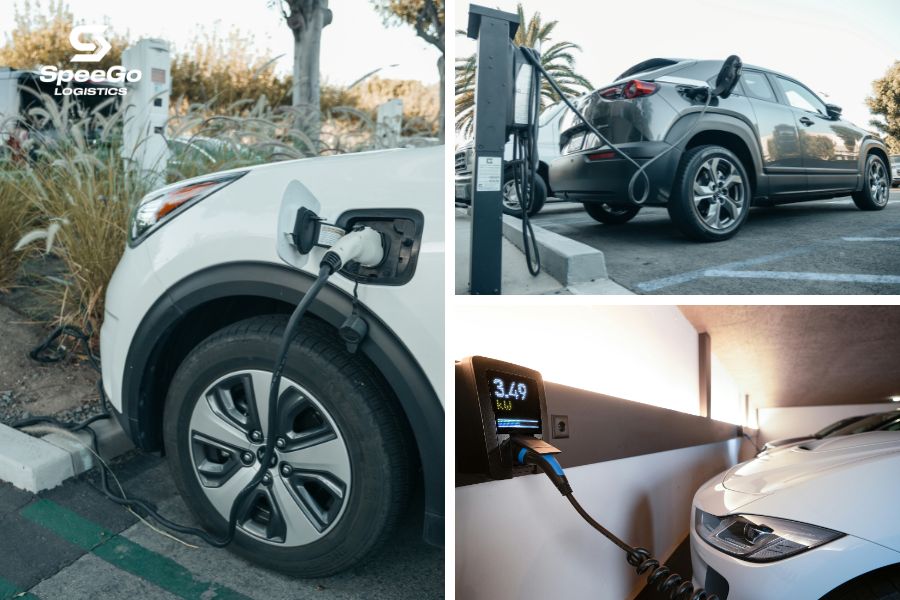
Electric vehicles are presently the most commonly embraced solution in sustainable transportation within the green energy sector. They run on electricity stored in batteries, eliminating direct fuel combustion and reducing emissions during operation.
EVs are particularly effective for last-mile delivery and urban logistics, where routes are shorter and charging infrastructure is more accessible. Many companies are already integrating electric vehicles logistics into their fleets to improve sustainability and reduce fuel costs over time.
2.2. Hybrid Vehicles
Hybrid vehicles integrate a conventional internal combustion engine with an electric motor, allowing for improved fuel efficiency and reduced emissions. This allows them to switch between power sources depending on driving conditions, improving fuel efficiency without relying entirely on charging infrastructure.
2.3. Hydrogen Fuel Cell Transport
Hydrogen-powered vehicles utilize fuel cells that produce electricity by combining hydrogen with oxygen, enabling the vehicle to operate without emitting greenhouse gases. The only byproduct is water, making this a promising option for clean energy transportation.
Hydrogen transport is often considered suitable for long-distance freight and heavy-duty vehicles, where battery limitations may be a concern. However, its adoption is still limited due to infrastructure and cost challenges.
2.4. Biofuels and Alternative Fuels
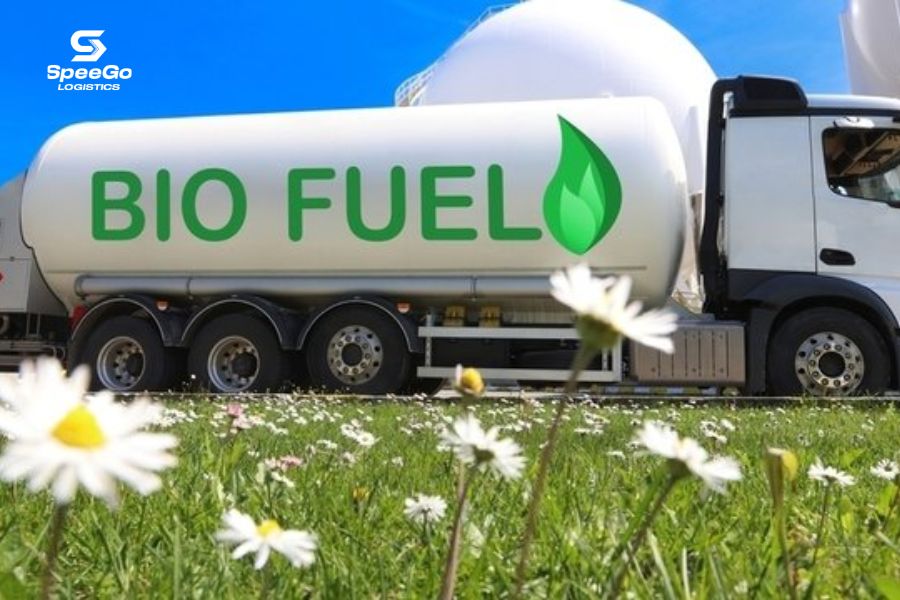
Biofuels like biodiesel and ethanol are produced from renewable biological sources such as plants, crops, and algae, making them a more sustainable alternative to fossil fuels. They can often be used in existing engines with minimal modification, making them a more accessible option for some logistics operations. These fuels help reduce overall carbon emissions compared to traditional fossil fuels, although their environmental impact depends on production methods and supply chains.
The technologies behind new energy transport are diverse, ranging from electric and hybrid vehicles to hydrogen and biofuel solutions. Each option offers different advantages, and businesses should choose based on operational needs, infrastructure, and long-term sustainability goals.
3. New Energy Transport vs Green Transportation
The terms new energy transport and green transportation are often used interchangeably. However, they are not exactly the same. Understanding the distinction helps businesses apply the right strategy and improve both operational performance and environmental impact.
| Criteria | New Energy Transport | Green Transportation |
| Definition | Focuses on using alternative energy sources such as electricity, hydrogen, or biofuels for transportation | Covers a broader approach to reducing environmental impact across the entire transport system |
| Main Focus | How vehicles are powered | How the entire logistics system operates sustainably |
| Scope | Technology-driven (EVs, hydrogen, alternative fuels) | System-wide (route optimisation, modal shifts, efficiency improvements) |
| Business Goal | Reduce fuel dependency and emissions through cleaner energy | Improve overall sustainability and efficiency in logistics operations |
| Best Use Case | Companies focusing on fleet transformation | Businesses aiming for broader supply chain sustainability |
4. Is New Energy Transport Suitable for Small Businesses?
If you are small and medium-sized enterprises (SMEs), the idea of adopting new energy transport may seem ambitious or even costly at first. However, the reality is more nuanced. With the right approach, small businesses can benefit from green energy transport without making large, high-risk investments.
4.1. Practical Considerations for Small Businesses
Small businesses often operate with limited budgets and resources, so any logistics decision must be carefully evaluated. While transitioning to electric vehicles or alternative fuels may require upfront investment, there are scalable ways to adopt new energy transport gradually. Instead of replacing an entire fleet, businesses can start by using energy-efficient transport for specific routes, such as last-mile delivery. This allows companies to test performance and cost efficiency before expanding further.
4.2. Cost vs Long-Term Value
One of the main concerns for SMEs is cost. Electric or alternative fuel vehicles typically involve higher initial expenses compared to conventional options. However, operating costs, such as fuel and maintenance, are often lower over time.
4.3. Access to Logistics Partners
Small businesses do not always need to invest directly in new infrastructure or vehicles. Instead, they can work with logistics providers that already offer green energy transport solutions.
Partnering with the right provider makes it easier to access efficient and reliable transport services without heavy upfront investment. SpeeGo Logistics offers professional international shipping solutions designed to support your business with stable delivery timelines, optimized routes, and consistent service quality.
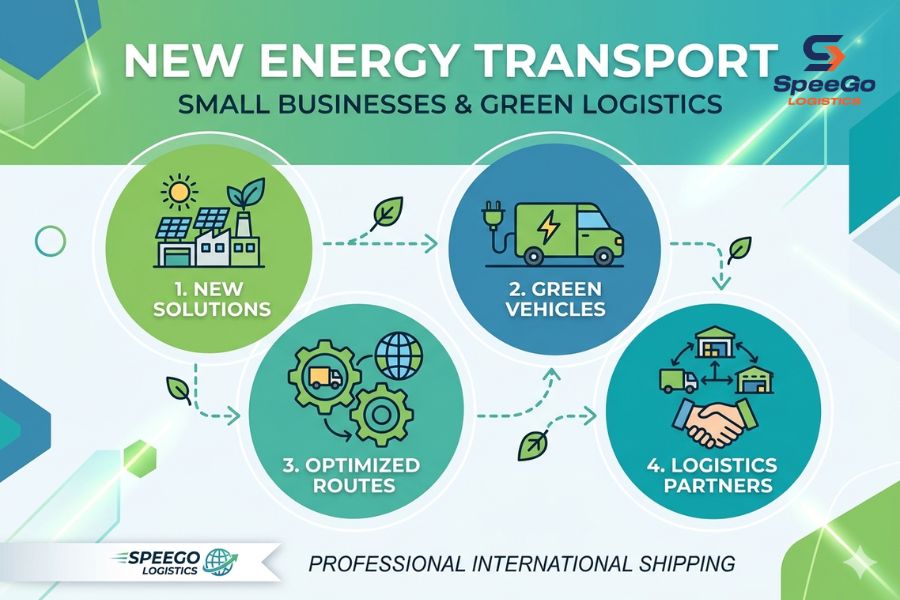
New energy transport is not limited to large corporations. With a phased approach and the support of logistics partners, small businesses can adopt sustainable transport solutions in a manageable and cost-efficient way.
5. Key Metrics to Measure Green Transport Performance
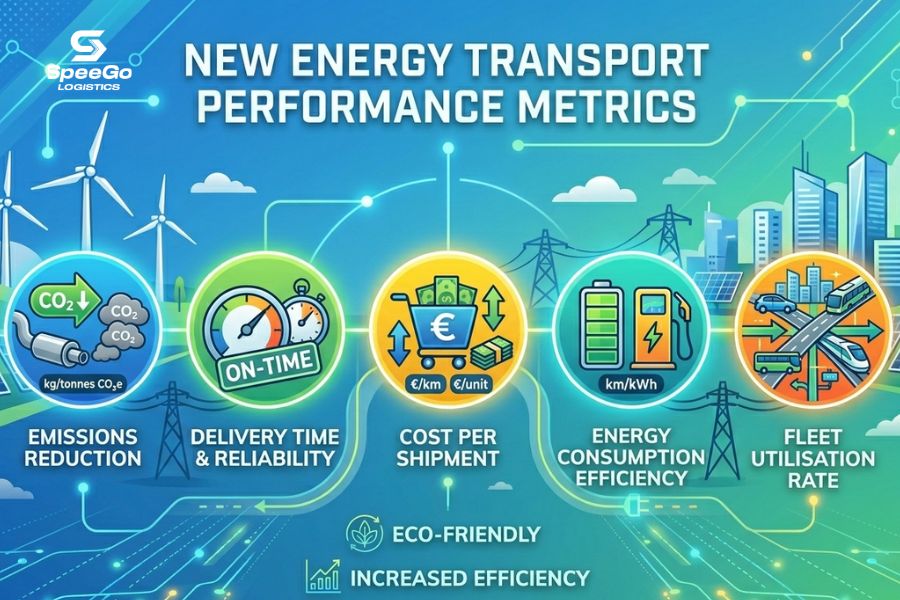
Adopting new energy transport is only effective when businesses can measure its real impact. By tracking the right metrics, businesses can make informed decisions and continuously improve their logistics performance.
- Carbon Emissions Reduction: The level of emissions reduced through new energy transport. This is usually measured in kilograms or tonnes of CO₂ equivalent (CO₂e) per shipment or per kilometre.
- Delivery Time and Reliability: Businesses should monitor average delivery time and on-time delivery rates to ensure that adopting green energy transport does not negatively affect service quality.
- Cost per Shipment: Companies should calculate the average cost per shipment, including energy, maintenance, and operational expenses.
- Energy Consumption Efficiency: Measuring energy usage per kilometre or per shipment provides insight into how efficiently resources are being used.
- Fleet Utilisation Rate: It refers to how effectively vehicles are being used within the logistics network. High utilisation rates mean fewer empty runs and better resource allocation.
Measuring the success of new energy transport requires a balanced approach that includes both environmental and operational metrics. By tracking those key metrics, businesses can optimize their logistics strategy and achieve more sustainable outcomes.
6. How to Choose the Right New Energy Transport Solution?
Selecting the right new energy transport solution is not a one-size-fits-all decision. Each business operates under different conditions, including delivery distance, cargo type, and budget constraints.
6.1. Consider Transport Distance and Routes
Distance is one of the most important factors when choosing a solution. Electric vehicles (EVs) are often suitable for short and predictable routes, such as urban or last-mile delivery. In contrast, longer distances may require alternatives like hybrid systems or emerging options such as hydrogen-powered transport.
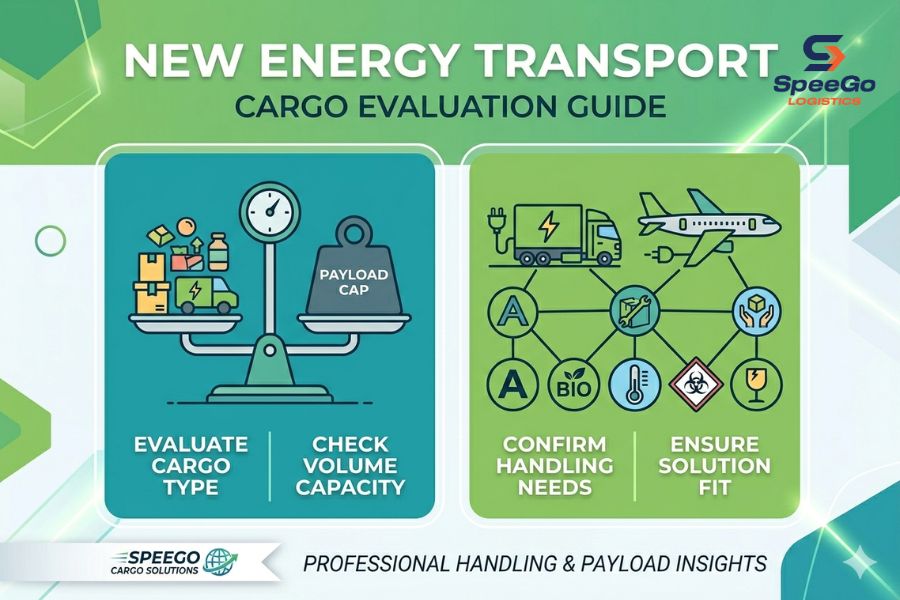
6.2. Evaluate Cargo Type and Volume
Different types of goods require different transport conditions. Some green energy transport options may have limitations in payload or storage compared to traditional vehicles. Therefore, businesses should ensure that the chosen solution can handle both the weight and specific handling requirements of their shipments.
6.3. Budget and Total Cost of Ownership
Cost should be evaluated beyond the initial purchase price. Businesses need to consider the total cost of ownership, including maintenance, energy consumption, infrastructure, and potential savings over time.
6.4. Check Infrastructure and Operational Readiness
The availability of infrastructure, such as charging stations or fuel supply networks, is critical. Without proper support systems, even the most advanced transport solutions may face operational challenges.
6.5. Align with Business and Sustainability Goals
Companies aiming to reduce emissions or meet ESG targets may prioritise low-emission transport options, while others may focus on cost efficiency or scalability.
New energy transport provides businesses with a realistic way to balance operational efficiency and sustainability. With the right approach, companies can gradually transition to cleaner transport systems without disrupting their logistics operations.