


One of the most common questions businesses ask is what Are the Materials Used in Craft Making. However, the answer is not just a simple list of materials. In practice, different materials directly affect product quality, cost, durability, and the ability to scale production.
From natural materials like bamboo and wood to engineered and traditional materials, each option comes with its own advantages and limitations. Understanding how these materials perform in real production conditions helps you avoid common sourcing mistakes and make better decisions from the start.
1. What Are the Materials Used in Craft Making?
When asking what are the materials used in craft making, the answer goes beyond a simple list. In practice, craft materials can be grouped into three main categories: natural materials, synthetic or engineered materials, and traditional specialty materials.
2. Natural Materials Used in Crafts
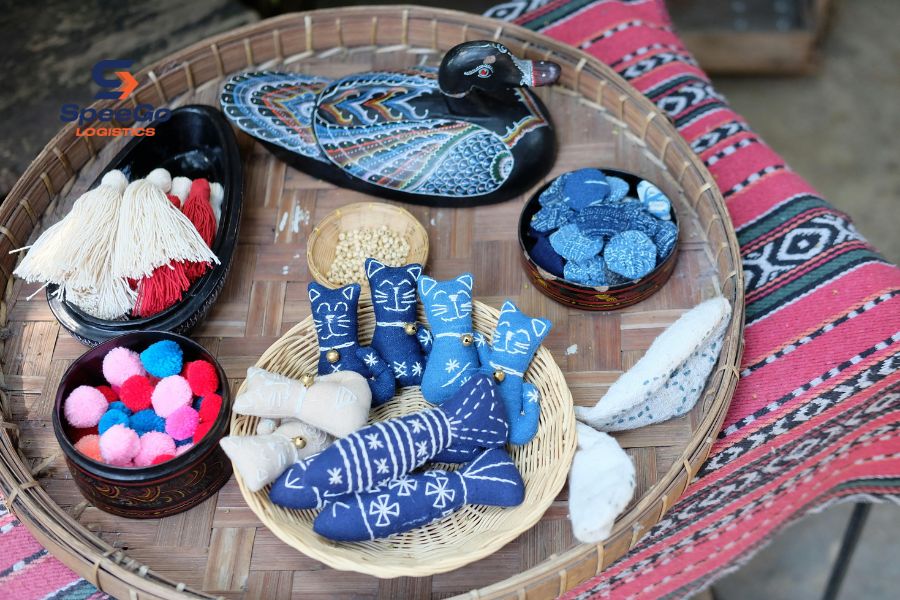
Natural materials are one of the most common handicraft materials examples, especially in traditional production. It’s remained the foundation of many handicraft industries, especially in countries like Vietnam. They are widely used due to availability and increasing demand for sustainable products. However, they also require careful handling to maintain quality.
2.1. Bamboo
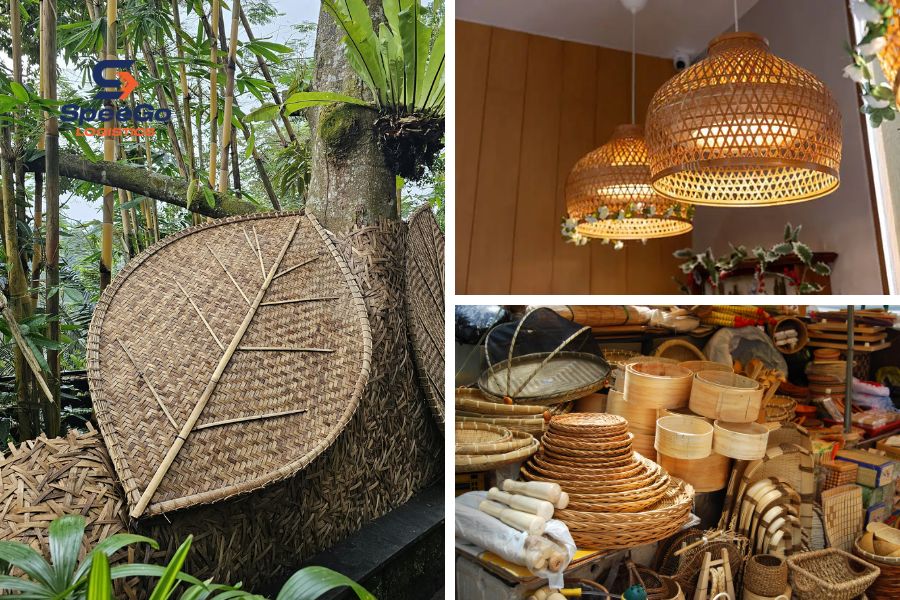
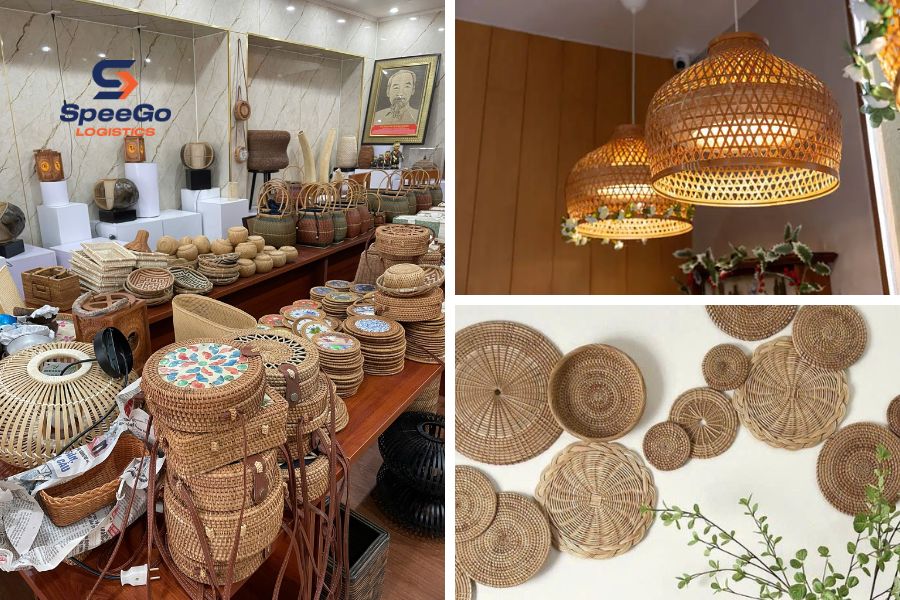
Bamboo is widely used in Vietnamese handicrafts thanks to its fast growth and flexibility. It is suitable for baskets, furniture frames, and home décor items. The material is lightweight and easy to shape, but it requires proper treatment to prevent mold and insect damage, especially in humid environments.
2.2. Rattan
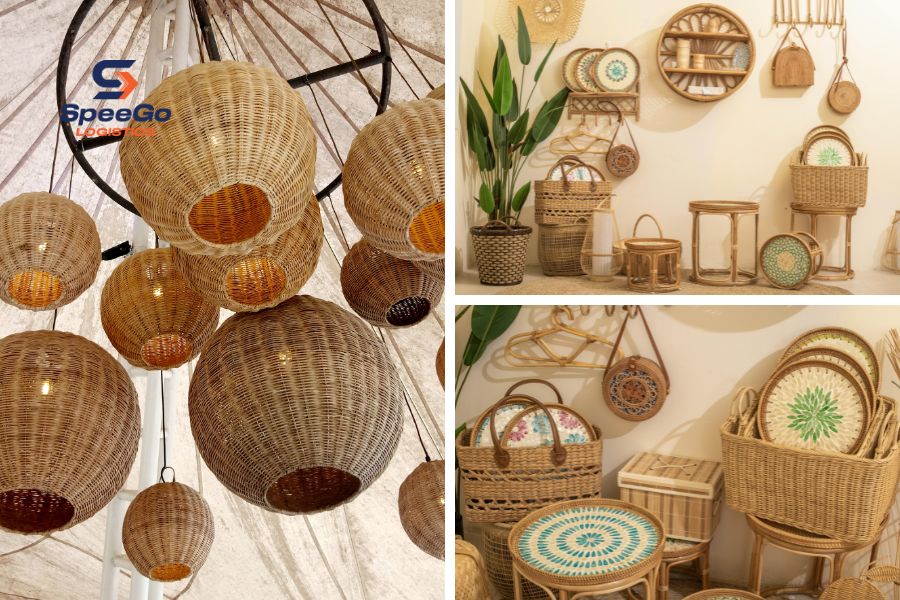
Rattan is stronger and more durable than bamboo, making it ideal for furniture and woven products. Its natural flexibility allows artisans to create complex shapes, especially in chairs and storage items. However, it must be properly dried and processed to maintain long-term stability.
2.3. Seagrass and Water Hyacinth
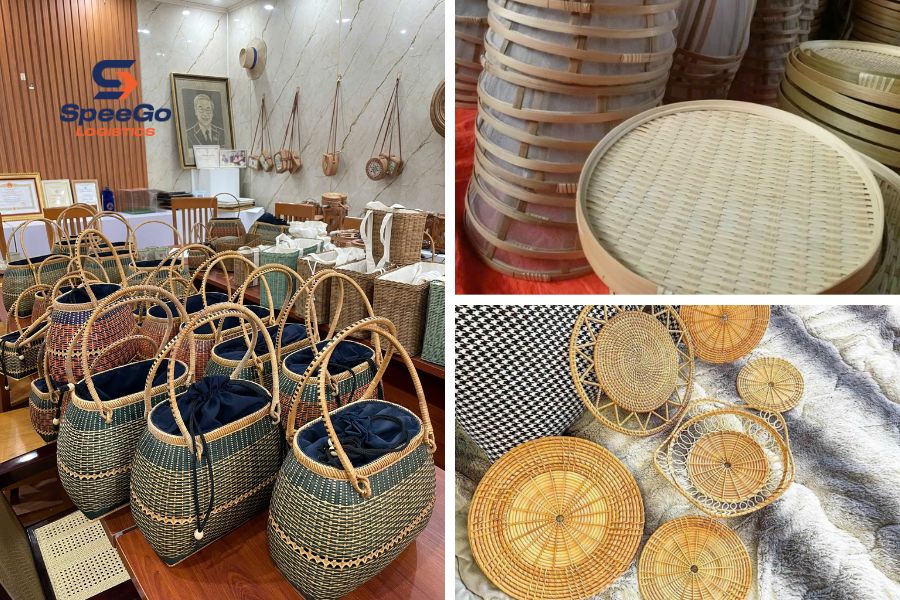
These soft natural fibers are commonly used for baskets, rugs, and decorative products. They offer a warm, organic look that appeals to eco-conscious markets. However, they are less durable than wood or rattan and are better suited for light-use or indoor applications.
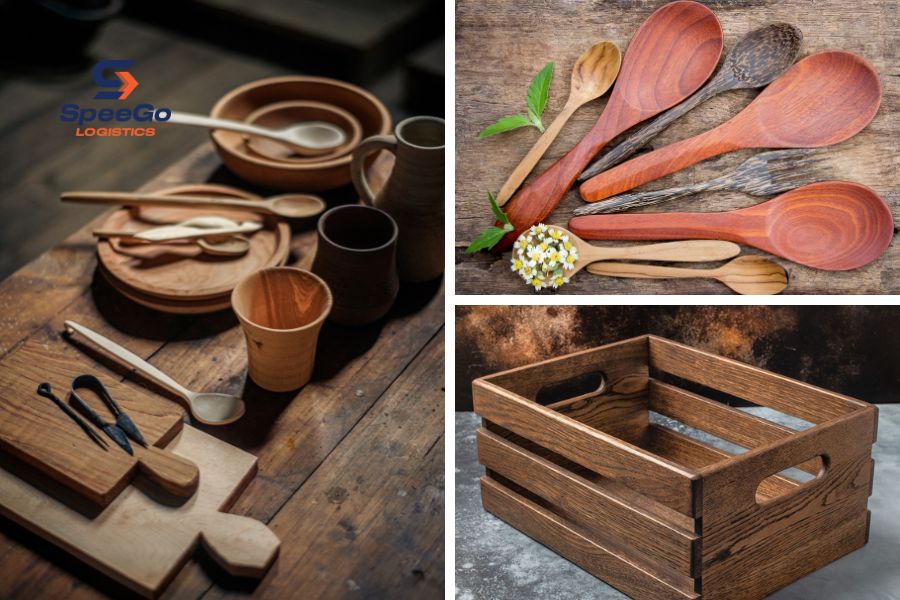
2.4. Wood (Acacia, Rubberwood, Pine, Oak)
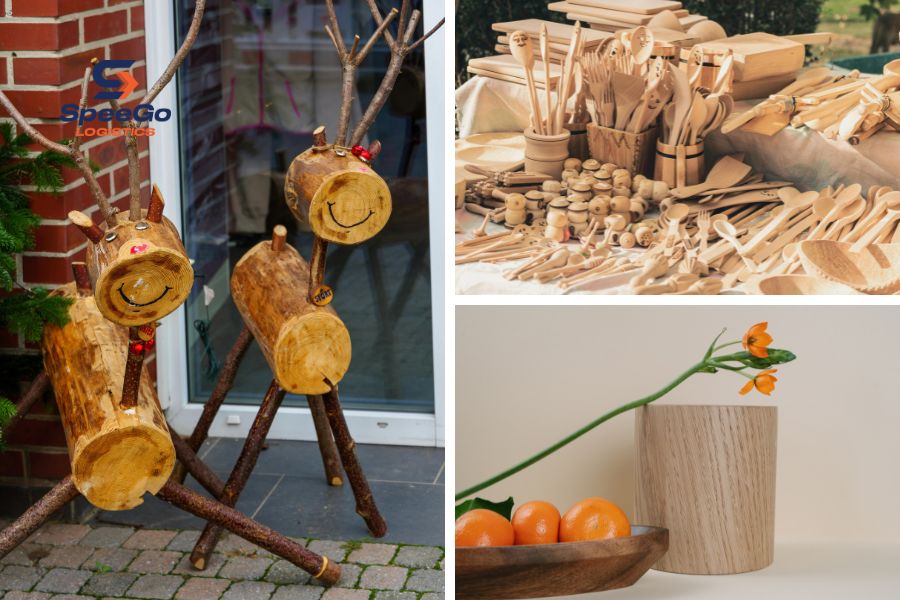
Wood is a key material for furniture and higher-value handicrafts when import from Vietnam. It provides strong structure and a wide range of finishing options. Different wood types vary in density and durability, so proper drying and treatment are essential to prevent cracking or warping. This is why wood remains one of the most important answers to what are the materials used in craft making, especially in furniture and high-value handicrafts.
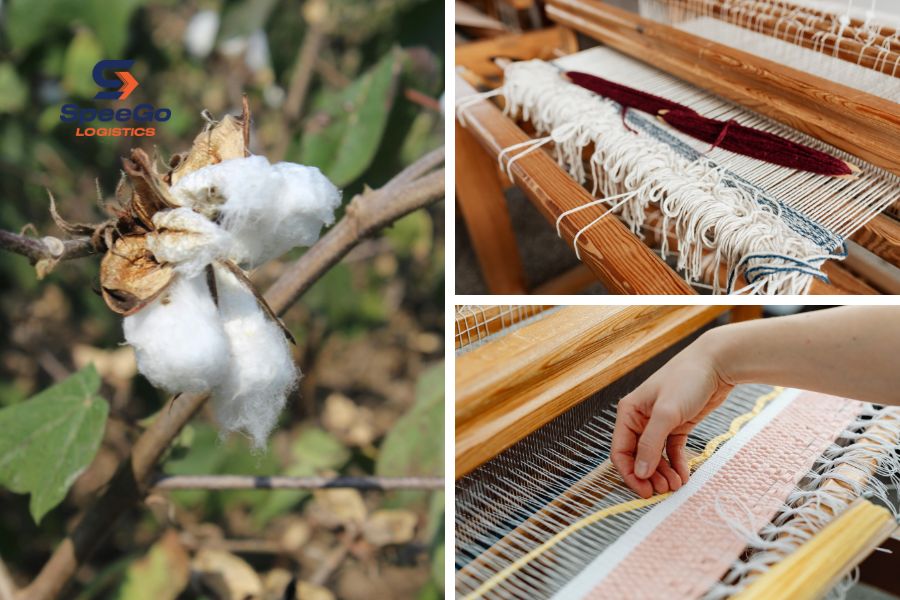
2.5. Clay and Natural Fibers (Cotton, Jute)
Clay is mainly used in ceramics such as bowls and vases, while natural fibers like cotton and jute are applied in textiles and soft handicraft products. These materials are closely linked to traditional craft techniques and often show variation between pieces due to manual production.
3. Synthetic Materials Used in Crafts
To improve consistency and durability, many manufacturers integrate synthetic or engineered materials into production. These materials are particularly useful for export-oriented and large-scale orders.
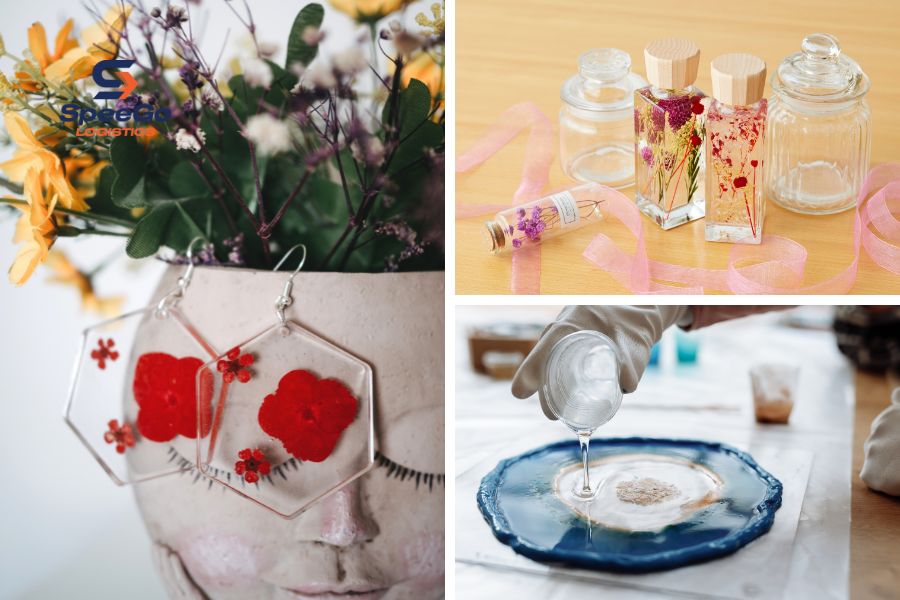
3.1. Resin (Polyresin)
Resin is commonly used in decorative handicrafts because it allows for detailed shapes and consistent finishes. It can imitate intricate designs that are hard to accomplish with solely natural materials, making it well-suited for mass production.
Best use case: Decorative items, figurines, and molded home décor with intricate details.
3.2. Engineered Wood (MDF, Plywood)
Engineered wood products such as MDF and plywood are widely used as alternatives to solid wood. They offer a more stable structure, reduce the risk of warping, and help control material costs. These materials are often combined with veneer or laminate to achieve a natural wood appearance.
Best application: Furniture parts, cabinets, and affordable indoor products.
3.3. Composite Materials
Composite materials combine natural fibers with synthetic binders to enhance strength and durability. This approach allows manufacturers to maintain a natural look while improving structural performance and reducing defects caused by raw material variation.
Ideal use for: Furniture frames, panels, and products requiring higher durability with controlled consistency.
3.4. Synthetic Rattan (PE Rattan)
PE rattan is a man-made alternative to natural rattan, designed for outdoor use. It offers strong resistance to weather conditions such as sunlight, rain, and humidity, while maintaining a similar visual appearance to natural fibers.
Best use case: Outdoor furniture, patio sets, and weather-resistant products.
These examples show that what are the materials used in craft making today is no longer limited to natural inputs, but includes engineered solutions for scalability and consistency.
4. Traditional Materials Used in Crafts
Traditional materials play a central role in defining the identity and value of many handicraft products, especially in countries with long-standing craft traditions like Vietnam. These materials are not only chosen for their physical properties, but also for their connection to cultural heritage, artisanal skills, and regional expertise. In many cases, the material itself determines the technique, production time, and final market positioning of the product.
4.1. Lacquer
Lacquer is a distinctive material used in decorative handicrafts, particularly in Asia. It involves applying multiple layers of resin coating, followed by sanding and polishing to achieve a deep, glossy finish. This process requires precision and time, making each piece highly labor-intensive.
Best use case: High-end decorative items, trays, boxes, and art pieces with layered finishes.
4.2. Ceramic Clay
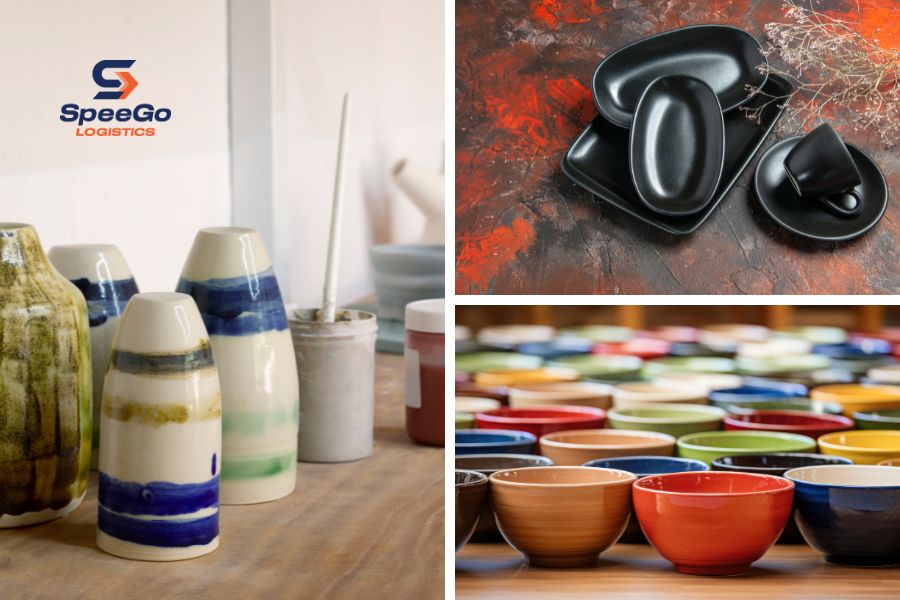
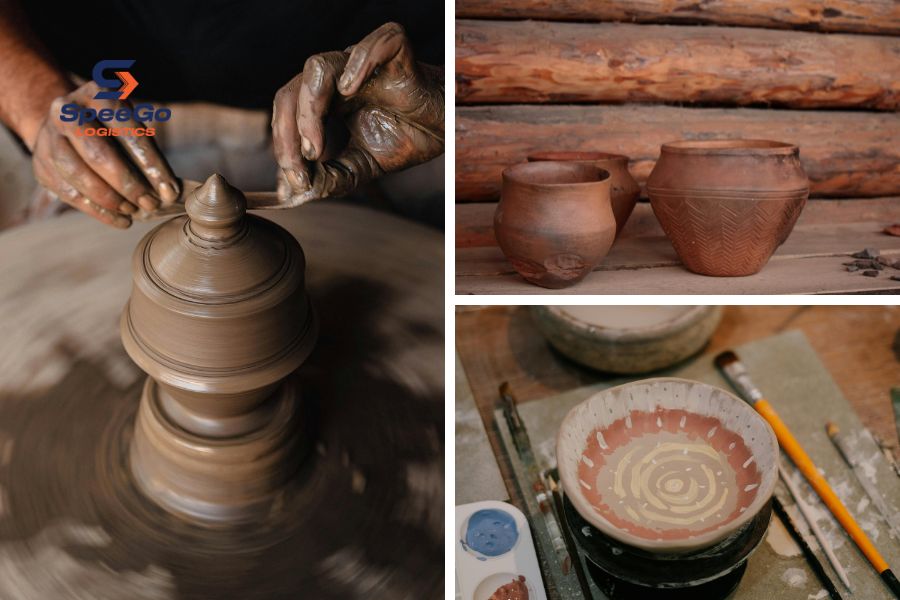
Ceramic clay is the foundation of pottery and tableware production. It is shaped by hand or molds, then fired at high temperatures to create durable products. The final quality depends heavily on firing techniques and glazing control.
Best application: Bowls, plates, vases, and functional homeware products.
4.3. Silk
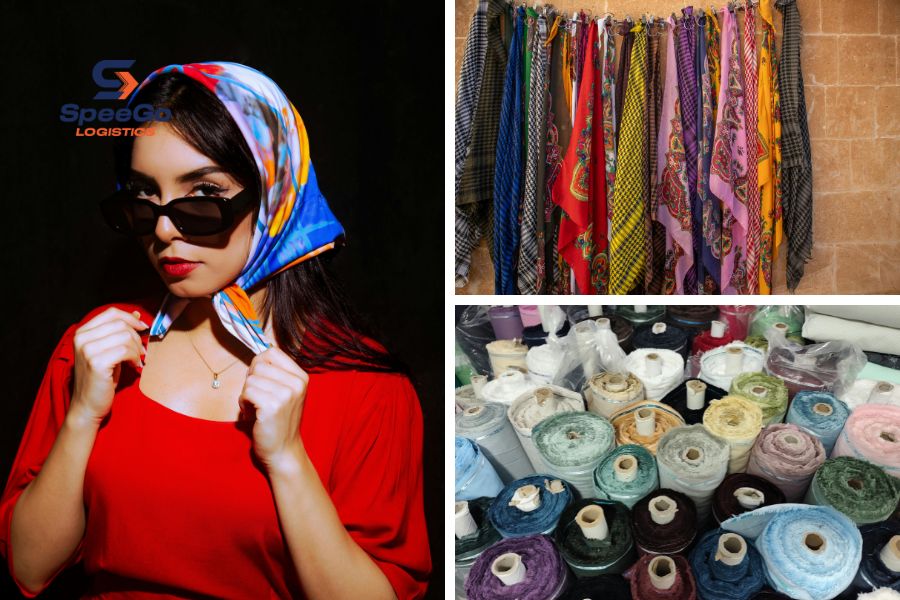
Silk is widely used in textile-based handicrafts, including embroidery and decorative fabrics. It is valued for its smooth texture and natural sheen, but requires careful handling during both weaving and finishing.
Ideal for: Textile decor, embroidered products, and premium fabric-based items.
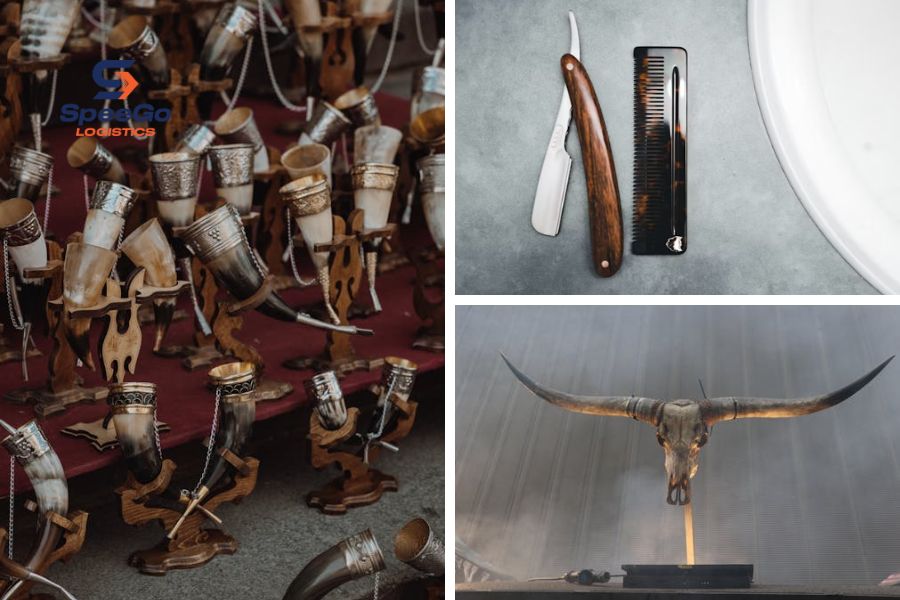
4.4. Horn and Bone
Horn and bone are traditional materials used in carving and inlay work. They are often applied as decorative elements on wooden surfaces, creating contrast in color and texture. Working with these materials requires skilled craftsmanship and precise cutting techniques.
Best use case: Inlay furniture, jewelry, and small decorative accessories.
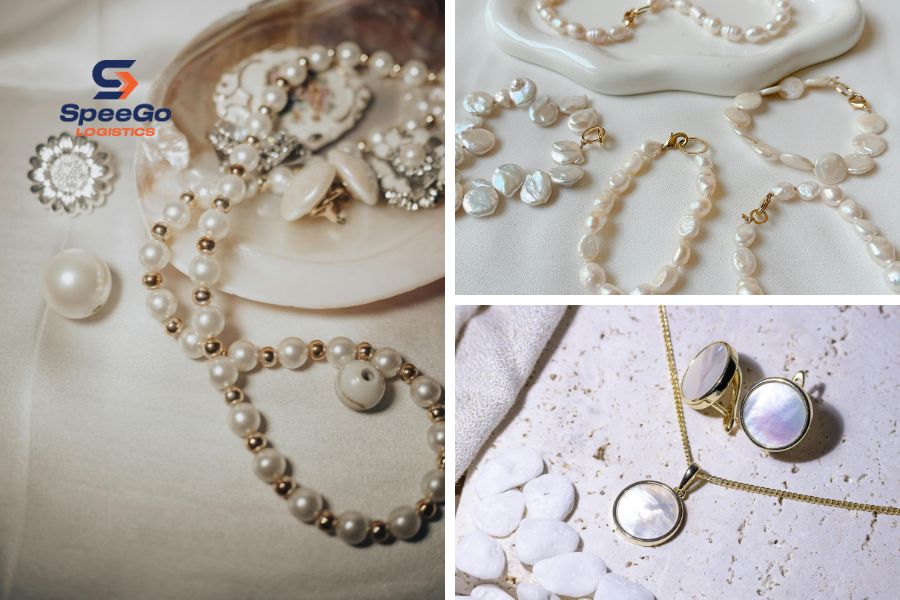
4.5. Mother-of-Pearl
Mother-of-pearl is used for detailed inlay work, especially in lacquerware and wooden handicrafts. It creates reflective patterns that enhance the visual appeal of products. The application process is intricate and requires experienced artisans.
Best application: Decorative panels, lacquerware, and high-value artistic products.
Understanding materials used in crafts is not just about knowing the names of materials. What matters is how each material performs in real production and how it aligns with your business goals.
5. Common Mistakes When Choosing Material of handicraft
Selecting the right material is one of the most important decisions in handicraft sourcing, yet it is also where many businesses make costly mistakes. These issues often do not appear at the sampling stage but become visible during mass production, when variation, defects, or unexpected costs start to affect the entire order.
5.1. Choosing Materials Based on Price Alone
One of the most common material selection errors is prioritising low cost over performance. While cheaper materials may reduce initial expenses, they often lead to higher defect rates, shorter product lifespan, or negative customer feedback. For example, using low-grade wood or untreated natural fibers can result in cracking, mold, or structural instability over time.
5.2. Not Testing Durability in Real Conditions
Many buyers approve samples without testing how materials perform under real use conditions. A product that looks acceptable in a showroom may not withstand humidity, temperature changes, or daily wear. This is particularly important for export markets, where products may face long shipping times and different climates.
5.3. Ignoring Material Characteristics
Each material of handicraft has its own behavior, but this is often overlooked during sourcing. Natural materials such as bamboo or rattan can expand or contract with humidity, while wood may warp if not properly dried. Without understanding these characteristics, buyers may set unrealistic expectations for consistency and performance.
6. Conclusion
Understanding what are the materials used in craft making is essential for choosing the right materials and avoiding costly sourcing mistakes. Many sourcing problems do not come from design mistakes, but from selecting materials that are not suitable for real production conditions.
With SpeeGo Logistics, you can:
- Evaluate materials based on real production conditions
- Get matched with suppliers experienced in your product category
- Maintain consistency from sample approval through to mass production
- Minimize quality risks prior to shipment
Want to make the right sourcing decision from the start?
Contact our team today to discuss your product and get a tailored sourcing plan.