


Importing furniture to Australia refers to the process of sourcing furniture from overseas suppliers (such as China or Vietnam) and managing shipping, biosecurity compliance, customs clearance, and final delivery into the Australian market.
Due to Australia’s strict quarantine regulations, especially for wood and natural materials, importers must carefully prepare documentation, treatment, and logistics planning to avoid delays, extra costs, or shipment rejection.
Summary
Importing furniture to Australia involves sourcing products internationally, complying with strict biosecurity regulations, and managing shipping, customs clearance, and delivery.
To import furniture successfully, businesses should:
- Verify suppliers and product materials (especially wood and natural components).
- Prepare required documentation such as fumigation certificates and packing declarations.
- Choose the right shipping method (FCL or LCL) based on volume and risk level.
- Account for total landed cost, including freight, GST (10%), inspection, and treatment fees.
- Ensure compliance with Australian biosecurity standards to avoid delays or penalties.
With proper planning, importing furniture to Australia can offer strong profit potential due to high local demand and reliance on imported products.
1. Potential of Australian Furniture Import Market
Australia’s furniture market offers strong and consistent demand, driven by housing growth and lifestyle spending. With over 11 million residential dwellings and a market value exceeding USD 18 billion, furniture consumption is not seasonal but ongoing, linked to new homes, renovations, and rental turnover (IMARC Group, 2026). This creates a stable environment for businesses looking to c from China or Vietnam, where manufacturing costs remain competitive.
Another key advantage is Australia’s reliance on imported furniture due to limited domestic production capacity. A significant portion of furniture sold locally is sourced from overseas, especially from Asia (Australian Bureau of Statistics). Combined with high retail costs in Australia, such as labour, rent, and distribution. This creates room for importers to achieve attractive margins if they manage shipping furniture to Australia efficiently and control their landed costs.
At the same time, changing consumer behaviour is opening new opportunities. Australian buyers increasingly value design, functionality, and online convenience, leading to growth in eCommerce furniture sales and direct-to-consumer brands. This allows new importers to enter the market with lower overhead and scale gradually using flexible logistics strategies such as LCL for testing and FCL for cost optimization.
2. Comparing imported China, Vietnam vs. Australian-made furniture
When deciding whether to import from China or from Vietnam, businesses need to compare not only pricing but also material quality, compliance risk, and production flexibility.
| Criteria | Imported from China | Imported from Vietnam | Australian-Made Furniture |
| Price | Lowest – strong cost advantage due to mass production | Medium – higher than China but still competitive | Highest – high labour and production cost |
| Quality | Wide range (low – high depending on supplier) | Generally consistent, especially for wood furniture | High quality with strict standards |
| Materials Used | MDF, particle board, metal, plastic, engineered wood | Solid wood, natural materials (rattan, bamboo), engineered wood | High-quality hardwood, premium fabrics, certified materials |
| Customization Options | Very flexible, easy to scale | Flexible, especially for niche/premium products | Limited, higher cost for customization |
| Sustainability | Varies widely; depends on supplier compliance and certifications | Strong potential for eco-friendly and sustainable materials | High – strict environmental standards and local regulations |
| Lead Time | Fast (efficient manufacturing system) | Moderate (depends on craftsmanship level) | Fast locally, but limited production capacity |
| Availability | Extremely wide (modern, flat-pack, commercial furniture) | Strong in wooden, handcrafted, and premium styles | Limited range, focused on niche or custom design |
| Support & Warranty | Limited | Moderate | Strong |
| Biosecurity Risk | Medium (especially wood, bamboo products) | Medium-High (natural materials require treatment) | Low (already compliant locally) |
| Design & Craftsmanship | Standardized designs, OEM/ODM available | Strong craftsmanship, especially handmade and natural materials | Premium design, often tailored or designer-led |
| Best For | Mass-market, budget-friendly, fast scaling | Mid–premium segment, brand-focused products | High-end, local branding, custom furniture |
3. Overview of Biosecurity and Fumigation Requirements
When importing furniture into Australia, biosecurity is one of the most critical compliance areas. The country enforces strict controls to prevent pests, fungi, and contaminants from entering its ecosystem. These regulations are managed by the Department of Agriculture, Fisheries and Forestry (DAFF), the official authority responsible for Australia’s biosecurity system. DAFF enforces strict inspection, treatment, and documentation requirements for imported goods, especially furniture made from natural materials.
3.1. Solid Timber (Hardwood & Softwood Furniture)
- Risk level: High
- Common products: Tables, chairs, bed frames, cabinets
Why is risk high?
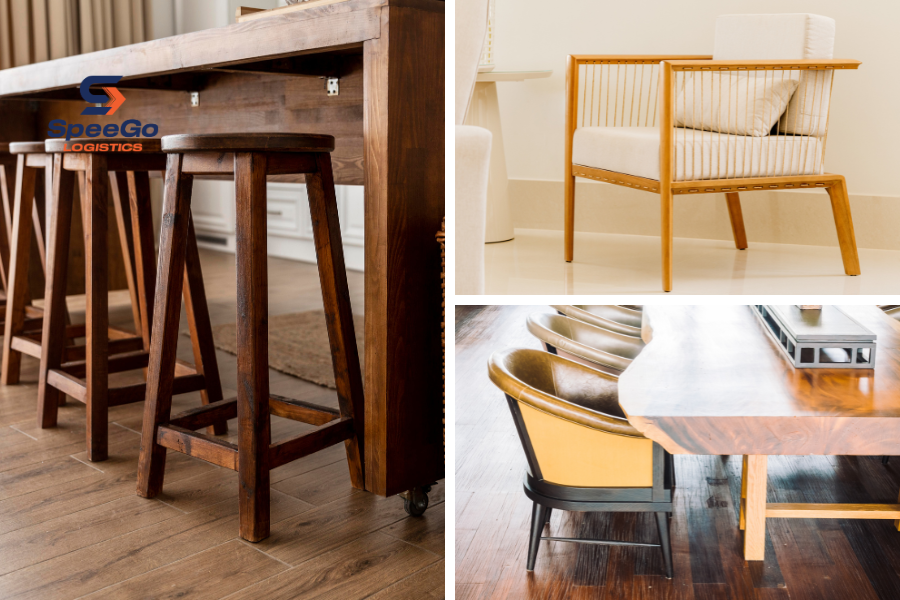
The main concern comes from the nature of the material itself. Untreated or improperly processed wood can carry wood-boring insects, termites, and fungal spores, organisms that pose a serious threat to Australia’s ecosystem. Because of this, the country enforces some of the strictest biosecurity controls in the world for timber-based products.
Requirements
DAFF may require:
- All wooden components, especially packaging materials such as pallets, must comply with ISPM-15 standards
- Additional treatments may be required before export, including fumigation (e.g., methyl bromide treatment) and heat treatment.
- Timber exceeding 200mm in all dimensions, known as oversized timber, necessitates specialized handling because conventional treatment methods may not be sufficient.
- Certification systems like PEFC (Programme for the Endorsement of Forest Certification) or FSC (Forest Stewardship Council) may be necessary, promoting sustainable forestry practices.
If these requirements are not properly met, the consequences can be costly. Goods may be held at the port for further inspection, require additional treatment at the importer’s expense, or in more serious cases, be re-exported or destroyed. For this reason, careful preparation and full compliance are essential when dealing with solid wood furniture in the Australian market.
3.2. Plywood
- Risk level: Low
- Common products: Flat-pack furniture, cabinets, shelves
Why is risk minimal?
The reason plywood is treated as lower risk lies in its production process. It is made by bonding multiple layers of wood veneers under high heat and pressure using adhesives. This process significantly reduces the likelihood of live pests, insects, or fungal spores surviving within the material. As a result, plywood products are often exempt from mandatory fumigation requirements, provided they are properly manufactured and free from contamination.
Requirements
Australian biosecurity authorities may still request proof:
- Newly Manufactured Plywood Declaration from the supplier, confirming that the plywood has not been exposed to pests.
- Storage Declaration is often required to demonstrate that the material was stored in a pest-free environment prior to shipping.
If plywood products are combined with solid wood elements such as legs, frames, or decorative parts made from untreated timber, those components may trigger additional inspection or treatment requirements. In such cases, the entire shipment could be subject to stricter controls, not just the engineered wood portion.
3.3. Non-Solid Timbers (MDF, Particleboard)
- Risk level: Low
- Common products: ready-to-assemble furniture, office fittings, cabinetry, and budget-friendly home decor.
Why is risk minimal?
For businesses looking to import furniture at scale, MDF and particleboard are often preferred due to their consistency, cost efficiency, and simpler compliance requirements. Both of them are made by breaking down wood into fibers or particles, which are then bonded together using resin under high temperature and pressure. This level of processing effectively eliminates biological threats such as insects, larvae, or fungal spores, making these materials far less likely to carry biosecurity risks compared to raw timber.
In practice, MDF and particleboard offer one of the most straightforward pathways for importing wood-based products into Australia. For businesses focused on scalability and cost control, these materials provide a strong balance between compliance simplicity and commercial viability.
3.4. Feathers
- Risk level: High
- Common products: Cushions, pillows, upholstered furniture fillings
Why is it regulated?
The main concern is the potential presence of pathogens or contaminants within untreated feathers. Without proper sanitisation, feathers can pose risks to both human health and the local environment. As a result, authorities require clear evidence that the materials have been processed and handled safely before entry.
Requirements
Import conditions depend on how the feathers are used within the product:
- If feathers are fully contained (for example, inside sealed cushions or pillows), a Manufacturer’s Declaration is required to confirm that the materials are enclosed and properly processed
- If feathers are loose or not fully enclosed, stricter documentation is needed, including Health Certificate and Treatment Certificate confirming proper sanitisation
These documents help verify that the feathers have undergone appropriate treatment to eliminate potential risks. If the required documentation is missing or incomplete, shipments may be flagged for inspection, delayed, or subject to additional treatment upon arrival. In more serious cases, goods may be rejected or required to be re-exported, leading to increased costs and operational disruption.
3.5. Plant materials (Bamboo, Cane, Rattan, etc)
- Risk level: Medium – High
- Common products: Outdoor furniture, decorative items
Why is risk medium?
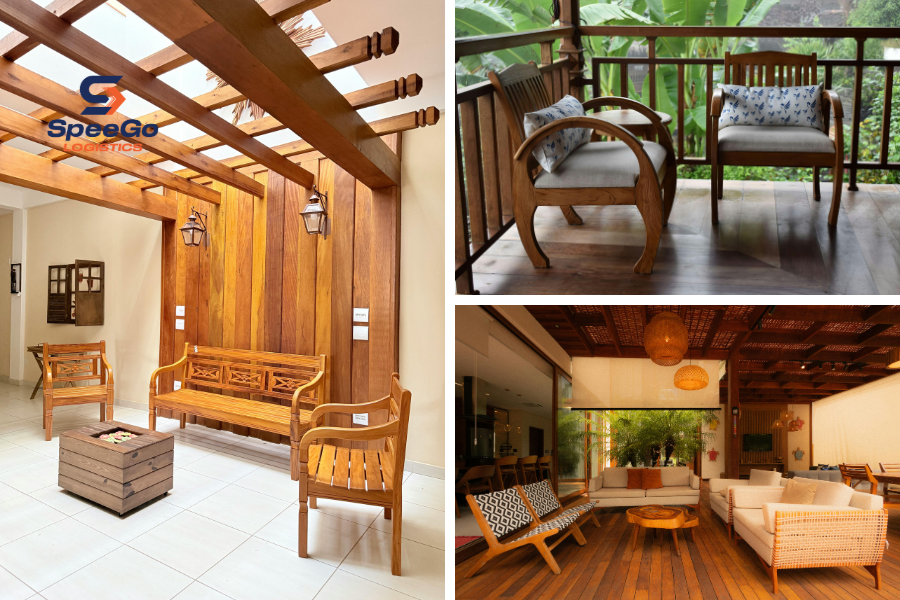
Bamboo and rattan are natural plant-based products that can carry insects, mould, and organic residues if not properly treated. Unlike engineered wood, these materials are often less processed, especially in handcrafted items import from Vietnam, which increases the likelihood of contamination. As a result, Australian authorities apply stricter controls to ensure that no biological risks are introduced into the local environment.
Requirements
To comply with import requirements, these products must be properly treated before shipment
- Fumigation or heat treatment.
- Cleaned and free from bark, soil, or any visible organic matter.
Handcrafted items, in particular, tend to face greater scrutiny because they may not go through standardized industrial processing. Variations in treatment quality or finishing can make it harder to verify compliance, which may lead to delays, additional inspection costs, or required re-treatment at the port.
3.6. Upholstered Furniture (Fabric, Foam, Cushions)
- Risk level: Medium
- Common products: Sofas, mattresses, padded chairs
Why is risk medium?
While these products are not as heavily regulated as solid wood items, they are still classified as medium risk due to the materials involved, particularly fabric, foam, and internal cushioning. Upholstered items may contain contaminants within the fabric or internal stuffing, including dust, moisture, mould, or even biological residues.
Requirements
In some cases, the cushioning materials, especially if they include organic components, can become a potential carrier for pests or bacteria. Because of this, Australian biosecurity authorities treat these products with caution, particularly when there is limited transparency about the materials used.
Products that contain natural materials, such as feathers, cotton, or other plant-based stuffing, are more likely to be inspected, as these materials can carry biological risks if not properly processed. In contrast, synthetic fillings like foam are typically easier to manage from a compliance perspective, as they undergo industrial treatment and are less likely to harbor pests.
3.7. Other Materials (Metal, Fiberglass, Plastic, Glass, etc.)
- Risk level: Low
- Common products: Metal frames, plastic furniture
Why is risk minimal?
The absence of organic material is the biggest advantage. Without wood fibers, plant residue, or natural fillings, there is very little risk of carrying termites, larvae, or mould across borders. This is why shipments made entirely from metal or plastic are less likely to be flagged for inspection compared to mixed-material goods.
Requirements
Even though the risk level is low, there are still basic compliance standards that must be met. Products must be clean and free from any visible contamination, including soil, dust, or plant residue. This is particularly important for outdoor furniture or items stored in open environments before shipping. Poor handling or storage conditions can still trigger inspections, even if the material itself is low risk.
In practice, metal, fiberglass, plastic, glass products offer a reliable starting point for businesses entering international sourcing. They require fewer regulatory checks, involve lower compliance costs, and are less likely to face unexpected delays at the border.
3.8. Wooden Packaging (Pallets, Crates)
Risk level: Very High
Why is risk high?
This category is classified as very high risk because untreated wood packaging can carry insects, larvae, or fungal contamination. Unlike finished products, packaging materials are often reused or exposed to outdoor conditions, increasing the likelihood of contamination. As a result, Australian authorities enforce these regulations very strictly, with little tolerance for errors.
Requirements
To meet Australian biosecurity standards, all wooden packaging must comply with the ISPM-15 regulation. This means the wood must be either heat-treated or fumigated before use. In addition, each piece of packaging must display a clear and official ISPM-15 stamp, which confirms that it has been properly treated and certified.
If packaging does not meet these requirements, the consequences can be severe. Authorities may require the entire shipment to be re-exported, destroyed, or treated again at the importer’s expense. These actions not only increase costs significantly but can also disrupt delivery timelines and impact customer commitments.
4. Required Import Furniture to Australia Documentation
4.1. Biosecurity & Treatment Documentation
Australia applies strict biosecurity controls, so importers must provide clear evidence that their furniture has been properly treated and meets all safety requirements. Several documents are typically required to support this process.
- Fumigation Certificate: This certificate is often mandatory for solid timber, plant-based materials, and shipments subject to Brown Marmorated Stink Bug (BMSB) regulations.
- Phytosanitary Certificate: Issued by a government authority, verifies that plant-derived materials, such as bamboo or rattan to comply with biosecurity standards and have undergone appropriate treatment.
- Newly Manufactured Plywood Declaration: This document confirms that the plywood is newly produced and has not been exposed to conditions where pest contamination could occur.
- Sustainable Forestry Certification (e.g., FSC or PEFC): This helps demonstrate that the wood has been legally sourced and does not contribute to illegal logging practices.
- Storage Declaration: Sometimes requested to confirm that goods have been stored in clean, pest-free conditions after treatment.
4.2. Customs & Compliance Documentation
Beyond biosecurity requirements, Australian customs authorities require a separate set of documents to ensure that all imports comply with legal and taxation regulations.
- Bill of Lading: It serves as proof of shipment and ownership, while also outlining the terms of transport and delivery details.
- Packing Declaration: It confirms whether any wooden packaging materials, such as pallets or crates, have been treated in accordance with international biosecurity standards.
- Commercial Invoice and Packing List: These documents are used by customs to assess duties and taxes accurately.
- Certificate of Origin: This document is essential for determining eligibility under free trade agreements (FTAs), which may allow importers to benefit from reduced or zero import duties.
5. Shipping furniture to Australia
When planning to ship furniture to Australia, choosing between FCL (Full Container Load) and LCL (Less than Container Load) is one of the most important decisions. It directly affects your shipping cost, product safety, and overall profitability.
- FCL (Full Container Load): It means your goods occupy an entire shipping container, typically a 20ft or 40ft container, without sharing space with other shipments.
- LCL (Less than Container Load): It allows you to ship smaller volumes by sharing container space with other importers.
| Factor | FCL (Full Container Load) | LCL (Less than Container Load) |
| Cost per unit | Lower (at scale) | Higher due to shared space fees |
| Upfront investment | High | Low |
| Shipping efficiency | High | Medium |
| Risk of damage | Lower (less handling) | Higher (multiple handling points) |
| Transit time | Faster overall | Slightly longer (consolidation required) |
| Best for | Bulk orders, scaling | Testing products, small shipments |
6. Step-by-Step Process to Import Furniture to Australia
Importing furniture into Australia requires more than just finding a supplier. A structured process helps you avoid delays, control costs, and stay compliant with regulations.
- Step 1: Source and Verify Your Supplier
- Step 2: Negotiate Terms and Place Your Order
- Step 3: Choose the Right Shipping Method (FCL vs LCL)
- Step 4: Prepare Documentation (Biosecurity + Customs)
- Step 5: Customs Clearance and Biosecurity Inspection
- Step 6: Final Delivery and Distribution
7. Cost to Import Furniture to Australia
Typical costs include:
- Product cost (FOB or EXW)
- Ocean freight (FCL or LCL)
- Import GST (10%)
- Biosecurity inspection fees
- Fumigation or treatment costs
- Port handling and inland delivery
For example: A 40ft container shipment may incur:
- Ocean freight: $2,000 – $5,000
- Biosecurity inspection: $200 – $800
- Fumigation: $300 – $1,000
8. Engage a professional import Furniture to Australia
Importing furniture to Australia is not just about shipping. It requires careful coordination between suppliers, logistics providers, and compliance requirements.
With experience handling furniture shipments across China, Vietnam, and Australia, SpeeGo Logistics supports businesses in reducing risks, optimizing costs, and ensuring smooth customs clearance.
Give us a call today or request a quote.
Frequently Asked Questions (FAQ)
- Is it difficult to import furniture to Australia?
Importing furniture to Australia can be challenging due to strict biosecurity regulations, especially for wood and natural materials. However, with proper documentation, treatment, and logistics planning, businesses can manage the process efficiently and avoid delays or additional costs.
- Do all furniture shipments require fumigation?
Not all furniture shipments require fumigation. Solid wood and natural materials such as bamboo or rattan often require treatment, while engineered wood products like MDF or plywood are generally considered lower risk and may not need fumigation if properly manufactured and documented.
- What is the cost to import furniture to Australia?
The cost to import furniture to Australia typically includes product cost, ocean freight, import GST (10%), biosecurity inspection fees, fumigation or treatment costs, and inland transportation. Total costs can vary depending on shipment size, materials, and compliance requirements.